Mekong Delta 3-Day: Saigon to Phnom Penh Gateway

Reviewed · MEKONG DELTA TOURS FROM SAIGON

Mekong Delta 3-Day: Saigon to Phnom Penh Gateway

4.5 · 234 reviews From $261 Operated by TNK Travel · Bookable on Viator
Book on Viator →

Morning heat, slow river life, then temples. This 3-day Mekong Delta trip is built to move you from Vietnam’s waterways toward a Cambodia connection, mixing boat time, village stops, and some cultural sites along the way. I like that it is practical (pickup, air-conditioning, tickets, most meals) and varied (canals, markets, bird sanctuary, temples).

Two big pluses stand out. First, you get real waterway experiences, from Tien River and Bassac River rides to quieter canal routes in the Upper Mekong Delta. Second, the tour is guided, so you are not just watching from a boat, you are getting the why behind what you see. A possible drawback is that it can feel like long days with a lot of transit, and some stops are short enough that you will want to shop your attention carefully.

Why This Mekong Delta Route Makes Sense

Mekong Delta 3-Day: Saigon to Phnom Penh Gateway - Why This Mekong Delta Route Makes Sense
This is the kind of itinerary that helps you understand the Mekong Delta as a working system, not just a postcard. You start in Ho Chi Minh City, then spend your days traveling by road and water through places like Cai Be, Cai Rang, Con Son, Tra Su, and areas around Chau Doc. The big idea is simple: see how people earn a living on the water, then add cultural context with pagodas and temple sites.

There is also the Phnom Penh gateway angle. If you choose the optional exit, the program connects you to a fast boat toward Cambodia, with the exact route depending on real-time availability. That makes this tour a useful bridge for travelers who want the Mekong Delta experience without spending extra days figuring out transfers.

Price and What You Actually Get for $261

Mekong Delta 3-Day: Saigon to Phnom Penh Gateway - Price and What You Actually Get for $261
$261 per person is not a “budget only” price, but it does not pretend to be luxury either. The best value comes from what’s wrapped in: hotel pickup, an English-speaking guide, transport with air-conditioning, boat rides and entrance fees on the Mekong Delta side, and most meals. You also get a small daily comfort item, mineral water (one bottle per day), which matters when you’re doing early starts and outdoor stops.

The accommodation piece is also important for value. You can choose between basic 3-star style lodging options, commonly set up for twin or double share. Some travelers report a homestay style night as part of the accommodation choice, which can be a big cultural win if you are comfortable with basic comforts. If you are comparing options, this tour tends to win when you would otherwise pay separately for boats, entry fees, and guided logistics.

The tradeoff is time and pace. Because it is built as a 3-day loop with multiple stops, you should expect many movement blocks. If your idea of vacation is long unstructured downtime, you might feel that the schedule keeps you on the move.

More Saigon tours, river trips, tunnel visits, and city experiences to compare

Day 1: Cai Be to the Upper Mekong Delta, With Biking and Coconut Sweets

Mekong Delta 3-Day: Saigon to Phnom Penh Gateway - Day 1: Cai Be to the Upper Mekong Delta, With Biking and Coconut Sweets
You start early, with a morning pickup for centrally located hotels in District 1 (not Tan Dinh ward and Da Kao ward). The first day funnels you toward Cai Be, a classic entry point into Mekong Delta life. What I like about starting here is that Cai Be is not just a “market stop,” it sets the tone for river trade, floating work, and the smaller scale of island life.

Cai Be River Town and Tien River Boat Time

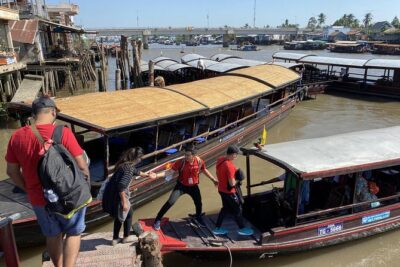
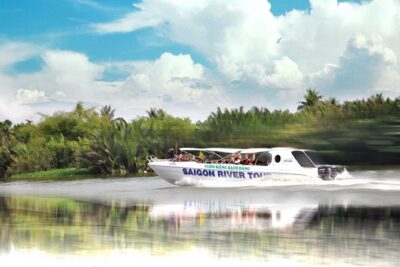
In Cai Be, you get a boat journey on the Tien River. This is where the Mekong Delta stops being abstract. You see how waterlines shape daily routine, and you can spot how commerce changes over time, from once-busy floating trade to what locals do now. Boat time also gives you a break from traffic stress and lets you watch village life without asking anyone questions.

Ông Kiệt Old House: Architecture That Explains Local Identity

Next comes Nhà cổ Ông Kiệt. This preserved antique house gives you something many river tours skip: a sense of how people built and lived. The details are in the materials and the layout, and it is a good stop if you like architecture or want a calmer, indoor moment during a busy day.

Tan Phong Confectionery: Coconut Sweets and Rice Popcorn

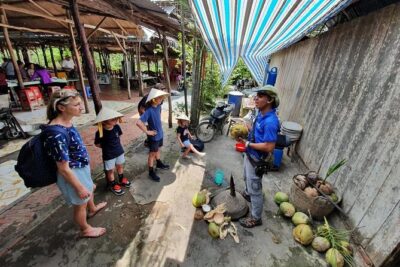
Then you head to Tan Phong for a family-run confectionery experience. You get to watch traditional methods for coconut sweets and rice popcorn-style snacks. This is not just about eating, it is about seeing how small ingredients become shelf-stable goods that travel. If you are the type who likes to taste one or two things and move on, you can keep it simple. If you love snacking on the road, this stop is one of the easiest wins.

Narrow Canals and a Garden Lunch

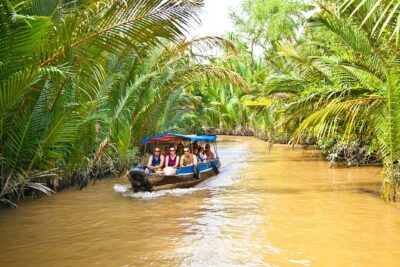
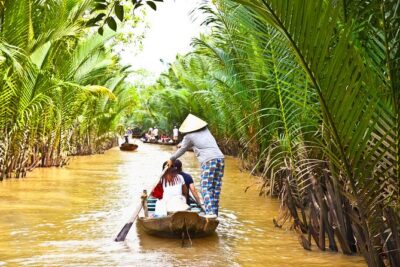
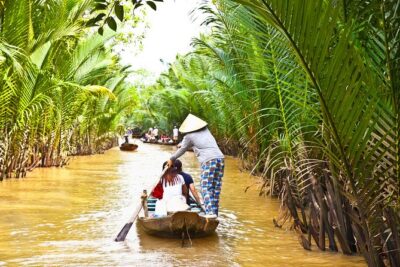
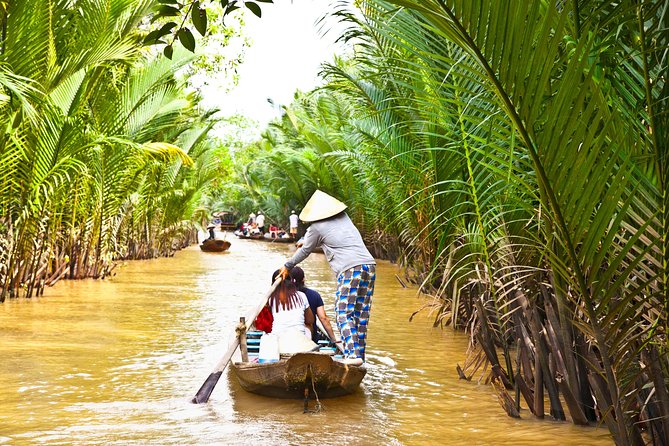
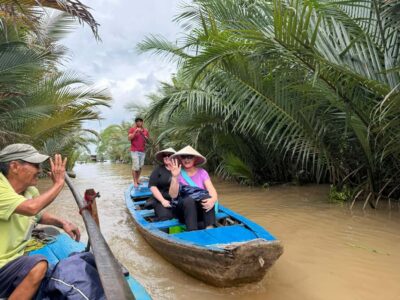
After that, the route shifts toward the Upper Mekong Delta with narrow canal cruising. This is quieter and slower than the big markets, and it is where the delta looks more like a lived-in ecosystem: water coconut palms and water lilies are part of the visual language.

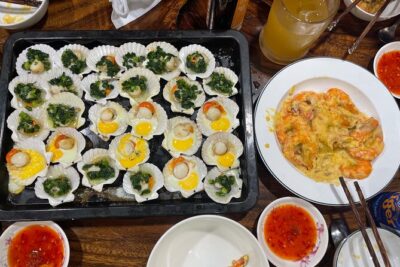
Lunch is served in a garden setting, typically with tropical fruits and herbs in the background. This is one of those “small but smart” inclusions because it adds a breather between boats and buses. You should still keep your expectations realistic. The meal is part of a set program, so quality can vary by day and venue, but it is usually designed to be enough fuel for a full afternoon.

Bicycle Ride and Sunset Boat Back

In the late part of Day 1, you get a bicycle ride on dirt trails through island countryside. It is short enough to stay comfortable for most people, and it adds a hands-on way to see the delta beyond boat edges. For many travelers, this is the moment that makes the trip feel personal.

Then you do a boat ride back toward Cai Be, and from there you transfer to Can Tho for check-in. Accommodation is described as 3-star or similar in twin or double share, basic but workable. If you are hoping for a resort-style stay, manage expectations. Think clean room, a bed, and sleep after a long day.

Day 2: Cai Rang Floating Market, Khmer Temples, Tra Su Birds, and Nui Sam

Mekong Delta 3-Day: Saigon to Phnom Penh Gateway - Day 2: Cai Rang Floating Market, Khmer Temples, Tra Su Birds, and Nui Sam
Day 2 leans into variety. You start with breakfast, then move toward Cai Rang Floating Market on the Bassac River. This is where many people come for the Mekong Delta’s most famous images, and where timing matters.

Cai Rang Floating Market: Big Waterway Energy

You ride by boat through the Bassac River, watching the delta wake up. The floating market experience itself is often the highlight for first-timers because it concentrates multiple kinds of activity into one scene. Even if you are not shopping, you will feel the rhythm of trade, unloading, bargaining, and movement.

Noodle Factory: From Ingredients to Final Product

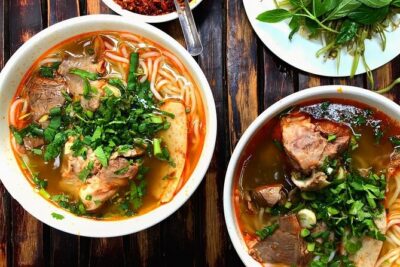
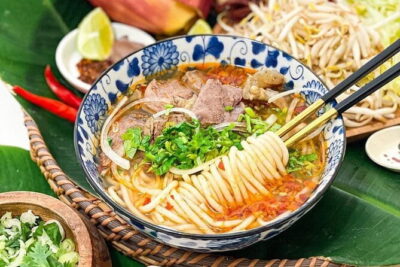
You also visit a traditional noodle factory. Watching rice noodles made with long-used methods is a useful contrast to floating market spectacle. It helps you connect a dish you might eat later to the work and tools needed to make it. This is a good stop for food-focused travelers who want more than sightseeing photos.

Munir Ansay Pagoda and Khmer Artistic Detail

Then you visit the Munir Ansay Khmer Buddhist Temple. The Mekong Delta is culturally mixed, and this temple stop shows the Khmer influence in the region. Look for the murals and carvings. Even if your language skills are limited, the artistry communicates story and belief through color and symbolism.

Con Son (Cồn Sơn): Community Eco-Tourism

Next is Con Son with a boat journey. This is framed as community-led and eco-conscious tourism, centered on crafts maintained through family initiatives. In practice, it is a softer stop than a market rush, more about local livelihoods and stewardship than hard selling.

Tra Su Bird Sanctuary: A Mangrove Wetland Moment

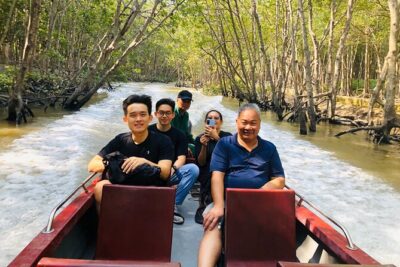
After lunch time, you go toward Tra Su Forest near Chau Doc to explore the bird sanctuary. Mangrove wetlands are different from open river scenes, and the slow walking and floating areas can make the day feel less hectic. This stop tends to stick with people because birds and wetlands look and sound unlike the rest of the itinerary.

Nui Sam Area: Ba Chua Xu Temple

From Tra Su, you go to Mieu Ba Chua Xu Temple in the Nui Sam area. This is described as a significant Vietnamese pilgrimage site. The cultural value here is less about a quick photo and more about understanding what the place means for worshippers, year after year.

Day 3: Hang Pagoda on Sam Mountain, Cham Village, and the Phnom Penh Meeting Point

Day 3 starts around Chau Doc and includes an optional connection point for continuing to Phnom Penh. There is a designated stop at the boat meeting point arranged for those who continue on.

Hang Pagoda (Chua Hang): Steps Up the Mountain

You then visit Hang Pagoda, also called Chua Hang. It is on Sam Mountain, with a path that leads you upward through greenery. This stop gives you a change of pace from water scenes, and it is a nice counterweight if you felt like most of the trip was boats and buses.

Floating Village and the Cham Village Culture

After that, you go to the floating village and the Cham Village. This is one of the more culturally direct stops in the route because it connects shared heritage between the Cham people and the Mekong Delta region. If you like social history and cultural practices, this is the part that gives meaning to the scenery you saw earlier.

Long Xuyen Lunch and Final Transfer

Lunch is served in Long Xuyen at a local restaurant, built around regional ingredients and traditional methods. Then you conclude with a relaxing transfer back to Ho Chi Minh City.

If you are doing the Cambodia connection, pay attention to timing. The program includes options that use a fast boat to Phnom Penh if you choose that exit, plus fast boat or bus ticket arrangements depending on real-time availability. In other words, your Day 3 flow can change based on your selected route.

Transportation, Pacing, and the Real Comfort Level

This tour is built on air-conditioned vehicles, which is a big quality-of-life item in Vietnam’s heat. You also get a mix of buses and boats, depending on the day’s stops. Boat rides help, because they break the monotony of long road stretches.

The pace is the main thing to understand before booking. Many people love the variety, but some find it tiring because you can spend a lot of time in transit and only get brief windows at each site. That means you should travel with an adaptable mindset. If you treat each stop like a quick chapter rather than a full day, you will get more out of it.

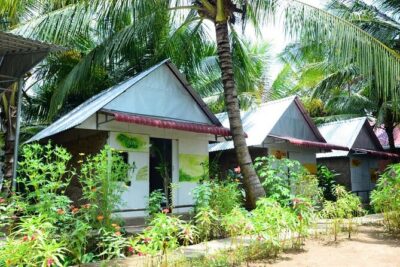
Also, keep your expectations for accommodations realistic. The program describes 3-star style lodging or similar. Some travelers report basic homestay bungalows as part of their accommodation choice. If you want strong creature comforts, look carefully at what your specific option includes. If you like local contact and don’t mind simple, you can treat it as part of the adventure.

Guides and Group Size: The Difference Between Good and Great

Group size is max 25 pax, which is small enough to feel personal but large enough to keep the schedule moving. This matters because on a Mekong itinerary, you want a guide who can manage multiple pickup and timing points without chaos.

Guide experiences seem to vary, but names like Sunny, John, Tom Cruz, Gordon, and Alex come up as examples of guides who were energetic and helpful. If you get a guide like that, you are more likely to enjoy the culture stops instead of rushing through them. Either way, bring patience. Even with a great guide, the delta is not a theme park, and boats and roads can take time.

What to Pack and How to Get the Most From Short Stops

Mekong Delta 3-Day: Saigon to Phnom Penh Gateway - What to Pack and How to Get the Most From Short Stops
Because this is an active water-and-road route, pack like you are going to sweat and step outside. Plan for sun, heat, and damp air near waterways. Comfortable footwear is key, because you may bike on dirt trails and walk around temples and sanctuaries.

Bring a small amount of cash for personal purchases. Some stops include market-style environments and the kind of local crafts you may want to take home. The timing is often tight, so if you dislike shopping pressure, set a simple rule for yourself before you arrive. Decide what you will buy, if anything, and stick to it.

Also, treat the meals as a mix of cultural experiences and logistics. The program includes dinner plus two breakfasts and two lunches, plus water. Still, if you have strong food preferences, ask ahead about vegetarian options and any dietary needs at booking time.

Should You Book This Mekong Delta to Phnom Penh Gateway Tour?

Book it if you want a guided Mekong Delta experience with a solid mix of waterway travel, floating market energy, temple culture, and at least one nature-focused stop like Tra Su. It is especially worth it when you want the Cambodia connection handled for you, either through a fast boat or a meeting-point option for Phnom Penh.

Skip it or rethink your expectations if you hate long travel days or you want lots of quiet time at fewer places. Also consider whether you are comfortable with basic lodging, plus short windows at many stops. If you are the type who likes to linger, plan your own pacing. You might be happier booking fewer places and adding extra time in one area.

If you choose this tour, do it with the right mindset: quick chapters, many scenes, and a route that makes the Mekong Delta feel like a living system rather than a single photo spot.