
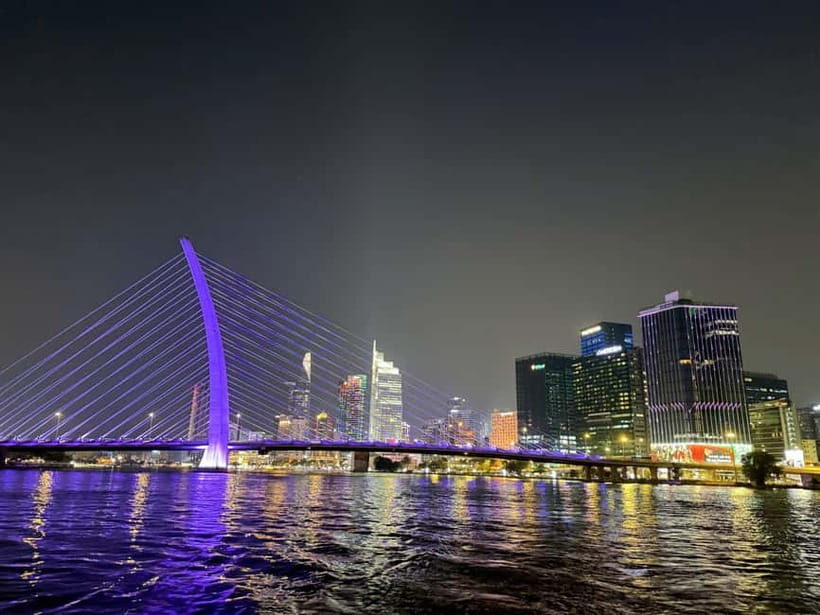
Start with the street. Follow the river.
Eat through the evening on two wheels, read the city’s history in the centre, then choose between the tunnels at Cu Chi and a slower day on the Mekong.
Make the first booking do real work.
A strong city overview gives the streets context. Cu Chi asks for a clear choice of tunnel site. A food route is where Saigon starts to feel personal.
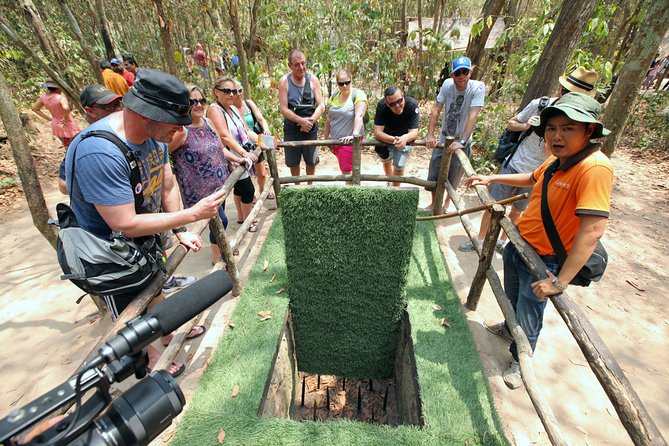
HCM: Cu Chi Tunnels-Tapioca Small Group Tour Morning or Afternoon
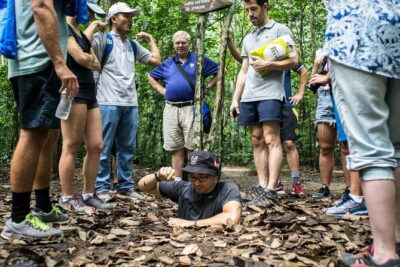
Ho Chi Minh City to Cu Chi Tunnels on a small group tour with pickup, war exhibits, tunnel crawl option, and cassava for about $15.
From $14 per person
Read the full review → ★ 5.0Start hereCu Chi Tunnels and Mekong Delta Signature TourFrom $337,328 reviews
 ★ 4.5Good after sunsetMekong Delta Guided Tour from Ho Chi Minh CityFrom $187,192 reviews
 ★ 5.0A clear city choiceCu Chi Tunnels & Mekong Delta Tour with VIP Limousine TransferFrom $567,052 reviews
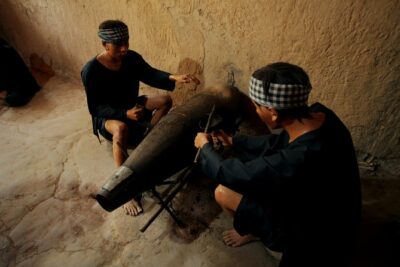 ★ 5.0Worth the early pickupCu Chi Tunnels and Mekong Delta Full Day Tour – Max 12From $436,257 reviews
 ★ 5.0Leave room for thisPrivate Street Food Tour by Motorbike/Car with Local StudentsFrom $453,950 reviews
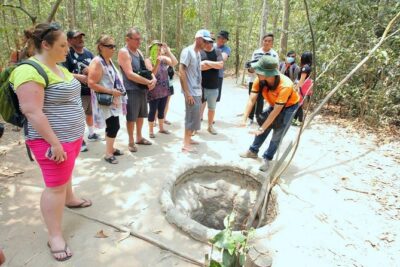 ★ 5.0Go deeperCu Chi Luxury Group Tour – Tapioca and Cake Half DayFrom $213,375 reviews
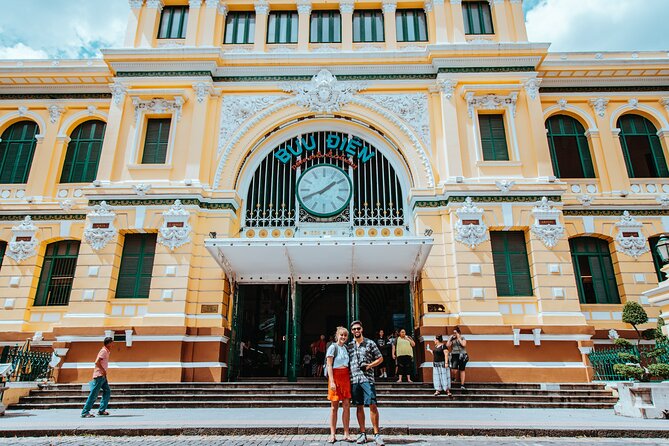
Read modern Saigon at street level.
The Post Office, riverfront and war-era landmarks are only the first layer. Markets, Cholon and the lanes between main roads reveal how the city actually moves.
City, tunnels or delta?
These are three different days, not variations of the same tour. Decide how far you want to travel before choosing the vehicle or group size.
 Stay central
The Saigon day49 optionsLandmarks, markets and neighbourhood streets with enough time left for a long lunch.See city highlights →
Stay central
The Saigon day49 optionsLandmarks, markets and neighbourhood streets with enough time left for a long lunch.See city highlights →
 History outside town
The Cu Chi day203 optionsChoose Ben Dinh for the shorter route or Ben Duoc when a less compressed site matters more.Compare Cu Chi tours →
History outside town
The Cu Chi day203 optionsChoose Ben Dinh for the shorter route or Ben Duoc when a less compressed site matters more.Compare Cu Chi tours →
 Follow the water
The Mekong day267 optionsMy Tho and Ben Tre suit a first day trip. Can Tho and Cai Rang reward an overnight.Choose a Mekong route →
Follow the water
The Mekong day267 optionsMy Tho and Ben Tre suit a first day trip. Can Tho and Cai Rang reward an overnight.Choose a Mekong route →
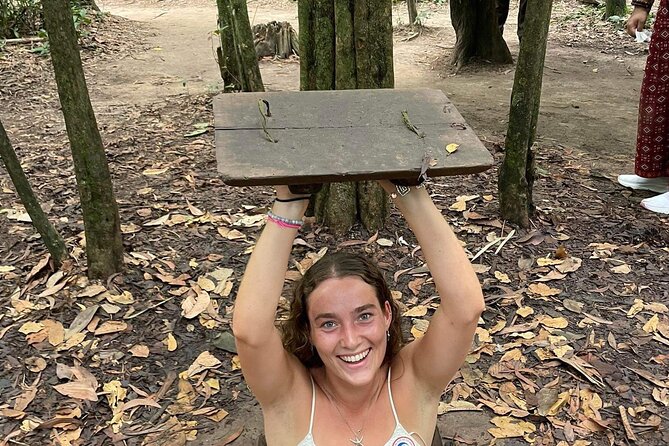
Choose the tunnel site before the departure time.
Ben Dinh appears in more combined itineraries and sits closer to Saigon. Ben Duoc generally offers more space and a longer look at the landscape around the tunnels.
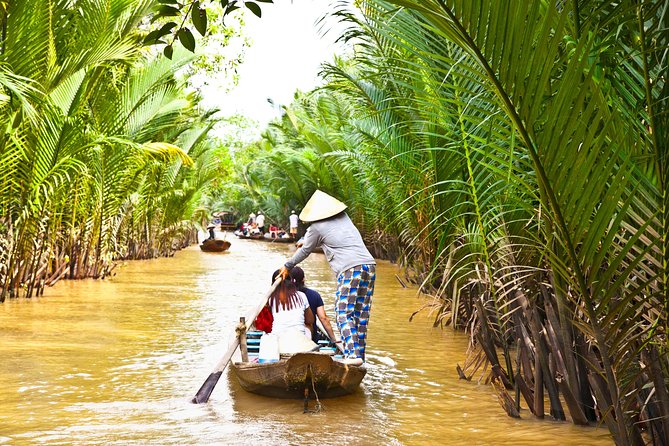
One delta, several very different days.
My Tho and Ben Tre are practical from Saigon. Cai Be reaches deeper into river life. Can Tho and the Cai Rang morning market deserve more time than a rushed out-and-back.
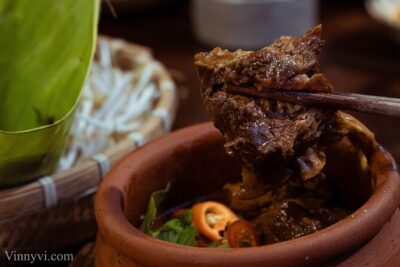
Let the evening move.
Walking keeps the details close. A motorbike links more districts, more kitchens and the rush of Saigon after dark. Check included dishes and rider standards before choosing.


Watch the city turn toward the river.
A short sightseeing run, a sunset speedboat and a dinner cruise offer very different evenings. Choose the boat and meal before the view.
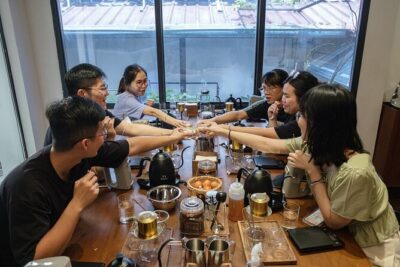
Market first, coffee slow, hands on.
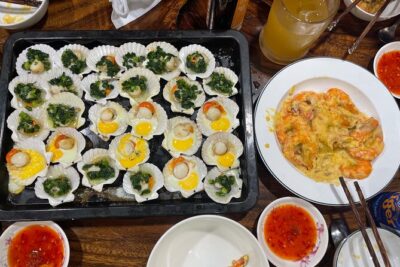
Walk the stalls with someone who knows what is in season, learn the rhythm of a Vietnamese filter or take the ingredients into a cooking class.
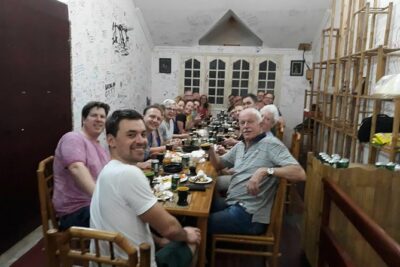
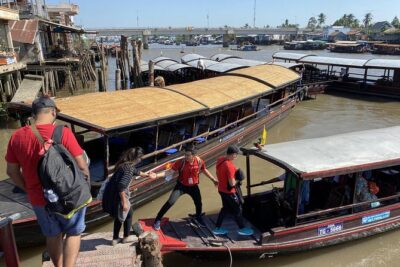

Pick the landscape, then accept the distance.
Tay Ninh brings Cao Dai architecture, Can Gio opens into mangroves, Vung Tau reaches the coast and Mui Ne asks for the longest day.


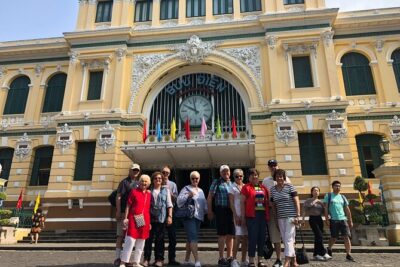
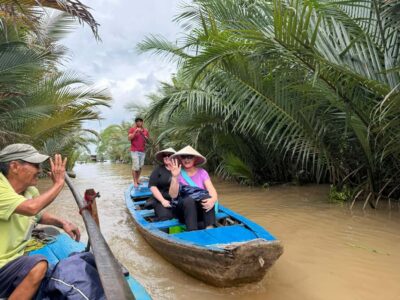
Two feet, two wheels or a boat.
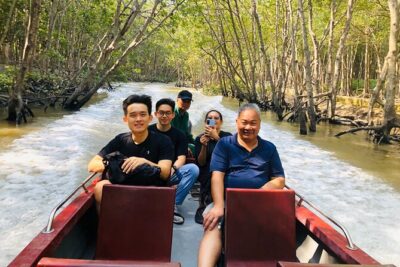
Saigon rewards movement. Choose a walking route for street detail, a scooter for range, a private car for the outer city or the river when the traffic should fall away.
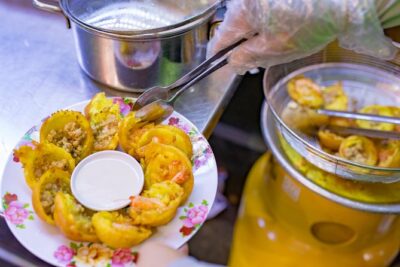

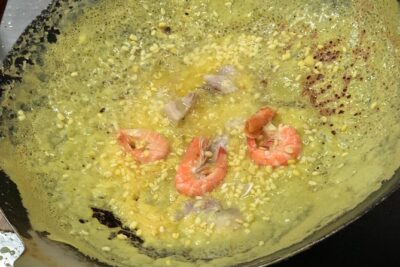

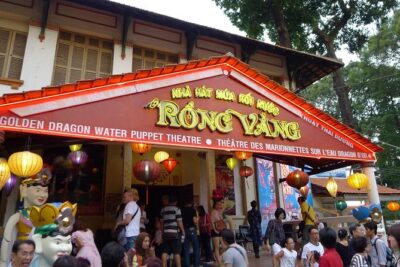
Three days from street to river.
Keep the city compact on arrival, make the second day the long departure and save one evening for food and river light.
Day 1Learn the centreStart with the landmarks, continue into a market and let a neighbourhood walk carry the afternoon.Plan the city day →
Day 2Choose Cu Chi or the MekongTake the history route when tunnels are essential. Take the river route when landscape and village stops matter more.Choose the departure →
 Day 3Eat, ride and watch the river changeUse daylight for Cholon, coffee or a cooking class, then book the evening that moves through the city.Plan the final evening →
The newest Saigon reviews.
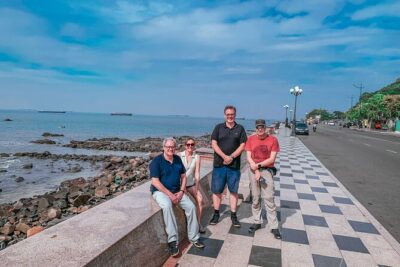 ★ 5.0Vung Tau City Shore Excursion from Phu My PortFrom $1353 reviews
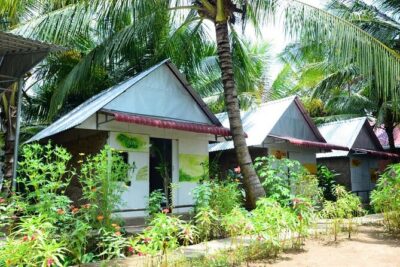 ★ 5.0PRIVATE Luxury Sunset Mekong AFTERNOON TRIP with BBQ DINNER & COOK CLASSFrom $1193 reviews
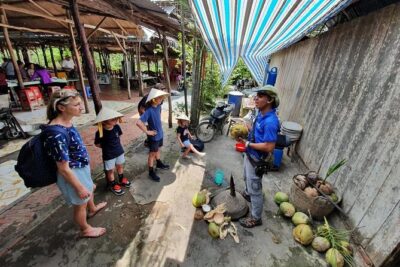 ★ 5.0Mekong Delta 1 Day TourFrom $293 reviews
 ★ 5.0Tales of Cho Lon Cultural Walking Private TourFrom $323 reviews
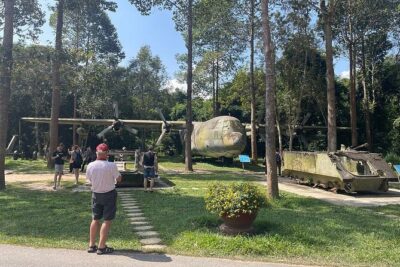 ★ 5.0Private Cu Chi Tunnels Tour Half DayFrom $1103 reviews
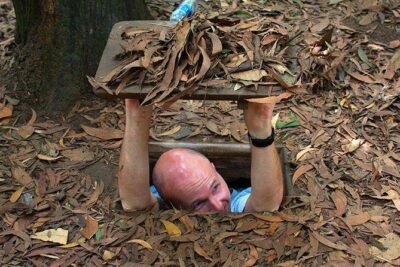 ★ 3.5Cu Chi Tunnels underground half day toursFrom $393 reviews
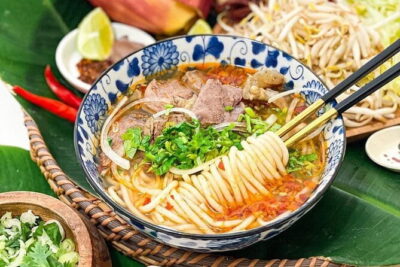 ★ 5.0Ho Chi Minh City Street Food Tour With StudentsFrom $273 reviews