
Reviewed · WORKSHOPS
Bean to bar Chocolate Workshop in Ho Chi Minh City
Chocolate starts with a cacao pod.
In Ho Chi Minh City, Ban Cacao takes you from tasting pods to making your own chocolate bar, using fresh local cacao and that satisfying granite mortar grinding step. One thing to consider: the hands-on work can be a bit tiring, especially the husking and grinding.
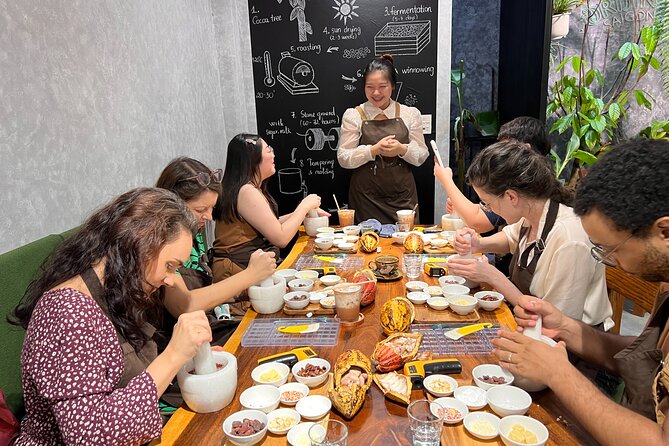
This is a real bean-to-bar style class, not a demo where you watch and wait. You’ll get a drink (hot or iced chocolate, per class reviews), and you leave with chocolate you decorated yourself, wrapped and ready to go.
Key things I’d plan for
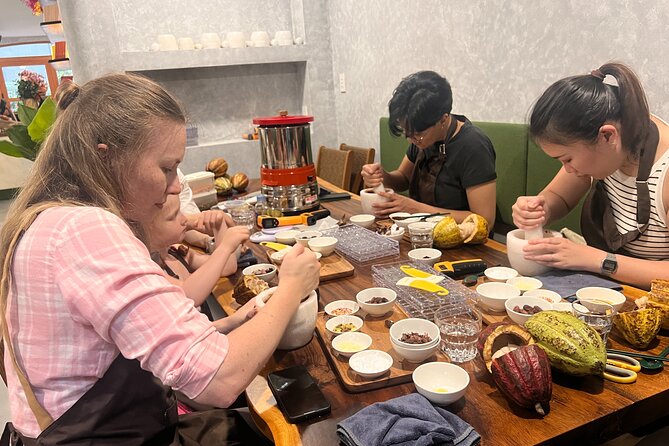
- Small group, up to 10 people, so you get time for the hands-on parts.
- True pods-to-paste-to-bar workflow, including husking, making cacao paste, and finishing a bar.
- Traditional granite stone mortar grinding, which is fun but also physical.
- Fresh cacao pod tasting early on, so you understand what you’re working with.
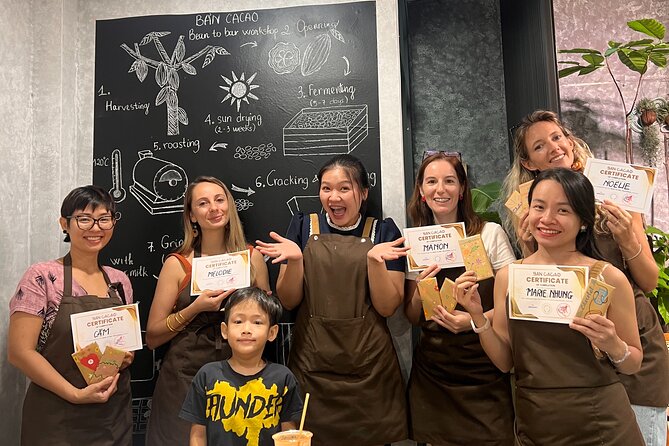
- Take-home chocolate plus wrapping paper, and you decorate your own bar.
Ban Cacao in Quận 1: where your cacao-to-bar session starts
Your workshop begins at Ban Cacao, a Vietnamese chocolate maker shop in Quận 1, at 89/14 Hàm Nghi, Phường Nguyễn Thái Bình. This is the kind of location that feels practical for a day of sightseeing, not a far-off excursion. It also runs near public transportation, so you can keep your day flexible.
The price is $32 per person, and the class lasts about 2 hours. That timing matters because you get the full process without turning it into a half-day event that eats your schedule. Also, the class size caps at 10 travelers, so it feels more like a guided workshop than a crowded “tour show.”
If you’re wondering whether this is touristy or authentic, the whole structure leans local and hands-on. You’re working with materials like fresh cacao fruits, cacao beans, cacao nibs, cacao butter, and cane sugar, plus tools like a granite mortar, thermometer, and chocolate molds.
You can also read our reviews of more city tours in Ho Chi Minh City


The 2-hour flow: pods, beans, paste, and your finished chocolate bar
The big win here is how the class is built. You don’t just make something at the end and call it a day. You work through the steps that connect cacao fruit to a chocolate bar.
Here’s how the session typically unfolds, in a way that makes sense even if you’re new to cacao.
First, you get an explanation of the pods-to-bars chocolate making process, plus a look at the history of cacao in Vietnam. They also explain how Vietnamese makers turn local ingredients into chocolate. That context helps your brain connect what you’re doing to why it exists, not just what buttons to press.
Next comes the fun part, tasting the fresh cacao pods. This is early on, before you start working. It gives you a baseline taste so when you later handle cacao beans and nibs, it feels like a continuation, not random food prep.
Then you husk your own cacao beans. That’s one of those tasks that sounds simple until you’re actually doing it, and that’s exactly why it’s memorable. You’re learning the “before the chocolate” stage, when the raw cacao is still in fruit form.
After that, you make your own cacao paste in a traditional style using a granite stone mortar. You’re grinding cacao in a way that feels old-school and direct. They use tools like a thermometer and scale, which signals they care about getting the chocolate process right, not just doing a craft.
Finally, you make your own chocolate bar from the first step through to the final bar. You also decorate your bar and take it home, along with wrapping paper.
The potential drawback is also baked in: this class is hands-on throughout. One review notes grinding can be tiring for children, so if you’re bringing kids, plan for patience and breaks. For adults, expect some arm and hand effort, not just smelling cocoa.
Fresh cacao pod tasting: what you learn in the first moments
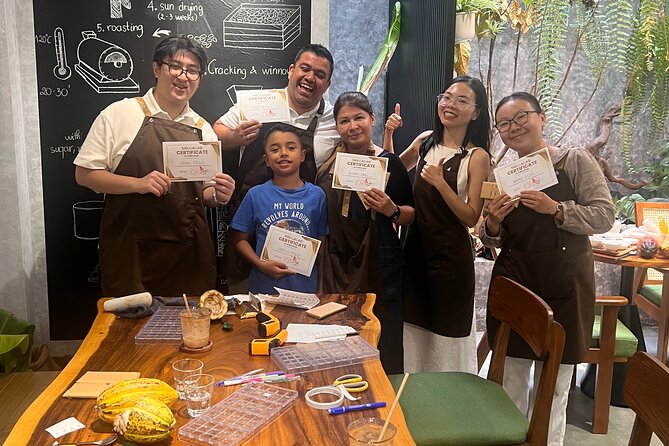
Tasting fresh cacao pods early on changes how you experience the whole workshop. You’re not starting with sweet chocolate that hides everything. Instead, you taste what’s closer to the raw cacao experience.
What I like about this stage is the mindset shift. It helps you understand that cacao is not automatically chocolate. Chocolate is the finished product, and it’s built through steps like husking, turning beans into paste, and combining with cacao butter and sugar.
This tasting also gives you a sensory reference. Later, when you’re grinding and working with cacao nibs and paste, you’re doing it with more context. You’ll notice how the materials you’re handling relate back to what you tasted at the start.
Husking your own cacao beans: the hands-on step most people remember
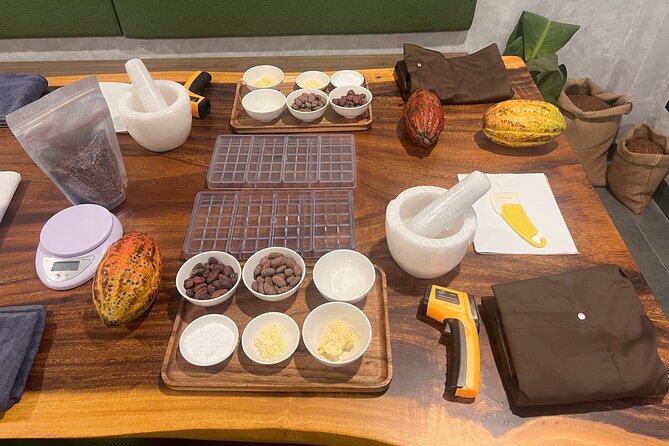
One of the most memorable parts is husking your own cacao beans. It’s messy in a satisfying way, and it forces you to slow down. In a lot of food workshops, you’re handed ingredients. Here, you’re doing one of the critical “work” steps that separates cacao fruit from usable beans.
This stage also explains why the process matters. When you see the beans and understand how they come out of the pod, chocolate stops being magic and becomes a chain of decisions and labor. It’s an easy way to appreciate the craft.
If you’re traveling with a child, use common sense. One parent review said the class worked well with their 8-year-old, but the grinding part can be tiring. So if your kid is smaller, very energetic, or gets frustrated with repetitive work, you might want to be strategic about timing and expectations.
Making cacao paste with a granite stone mortar
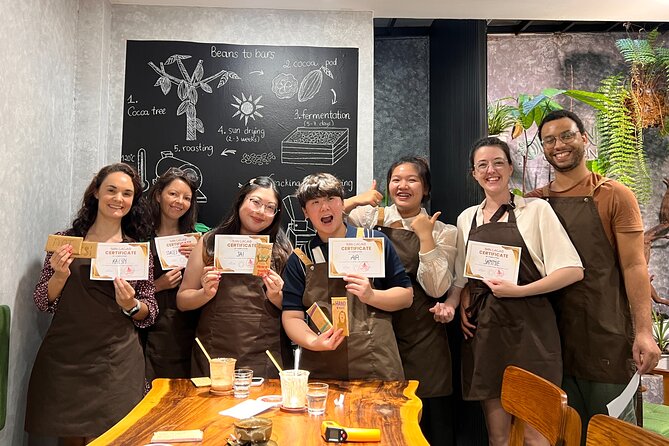
The workshop’s most physical, most “real hands” moment is the granite mortar grinding. You make your own cacao paste in a traditional style with the stone mortar, which is why this class feels different from modern chocolate factories where everything is automated.
I like this step because it turns cooking into participation. You’re not just assembling. You’re transforming. That’s where the bean-to-bar idea becomes real. You can feel the paste change, and you understand why temperature, timing, and technique matter.
They also provide a thermometer and scale, which suggests you’re not guessing your way through the process. The goal is consistent, workable chocolate, not just a fun craft you throw away.
A consideration: this stage can take effort. If you have hand stiffness, wrist issues, or you’re not feeling steady that day, plan for the pace. The class is 2 hours, so you’ll be glad you didn’t schedule it right after a long walking day.
You can also read our reviews of more drinking tours in Ho Chi Minh City




Turning paste into a chocolate bar, plus the decorating you control
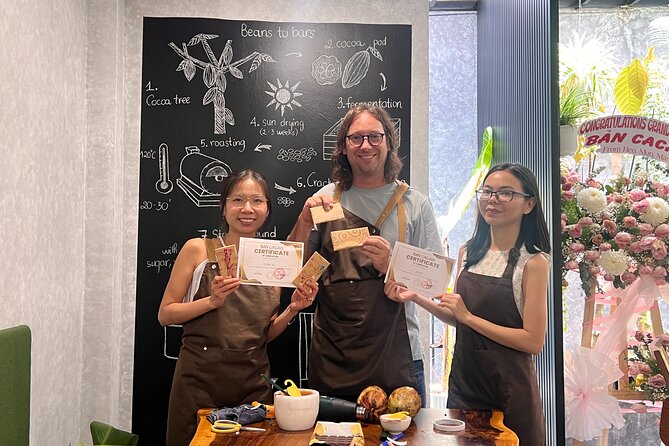
After you create cacao paste, you move toward a finished bar. The tools and ingredients listed are practical clues for what’s happening. You’ve got cacao butter and cane sugar as key materials, and you’ve got a chocolate mold plus a wrapping paper setup for the final steps.
You’ll make your bar from the first steps through to the final product, which is satisfying because you can trace your work forward. And you get to decorate your chocolate.
That decorating part is not fluff. The bar design and wrapper decorating help you treat the chocolate like a personal project. It’s also why the take-home result feels more special than a packaged souvenir.
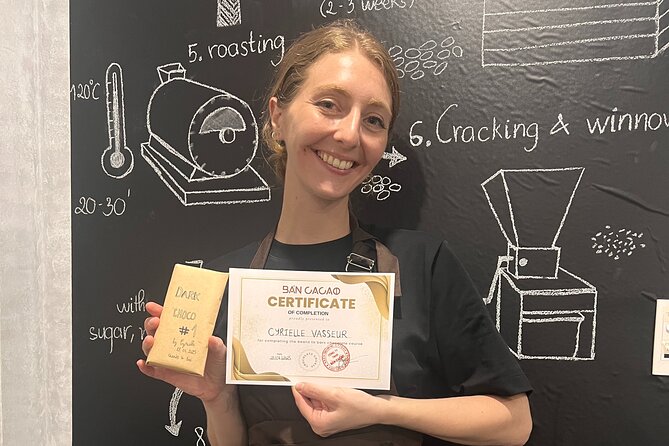
One review highlight was leaving with personally decorated wrappers and their own bars. That matches the workshop structure: you’re making something edible, then turning it into something that looks like it came from your own session.
The included drink: a small perk that makes the class feel complete
In addition to all the hands-on work, the class reviews mention that each participant gets a drink, either hot or iced chocolate. That matters more than it sounds. It gives you a break, and it also connects the craft back to the end result you’re making.
If you’re sensitive to strong flavors, you can still enjoy it, because it’s chocolate, not raw cacao pulp. For many people, that first sip makes the whole workshop feel like a full experience, not just a production line.
Price and value in Ho Chi Minh City
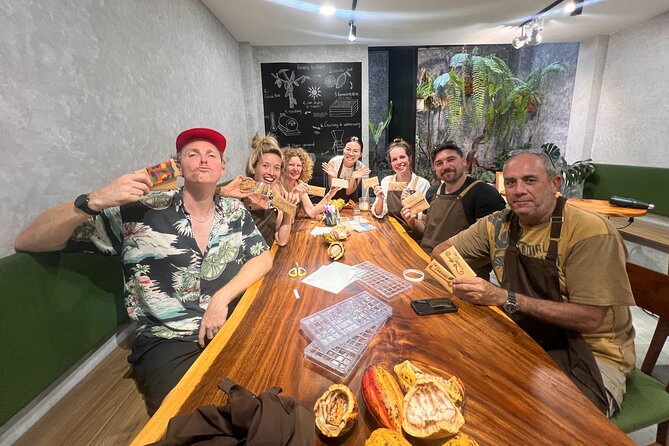
Let’s talk money in a grounded way. At $32 per person for about 2 hours, you’re paying for three things: instruction, a small group experience (max 10), and materials plus tools that you use directly.
The value is strongest when you compare effort to outcome. You don’t just taste a sample and go. You husk beans, grind cacao paste with a granite stone mortar, and end with an actual decorated chocolate bar to take home. The class also includes wrapping paper, which makes your take-home gift-ready.
Also, this isn’t a “paint and sip” situation. You’re learning a process step-by-step, with an explanation of cacao making and Vietnam-specific context around how chocolate is made with local ingredients. That’s the kind of knowledge you can reuse later, whether you buy chocolate at home or keep exploring Vietnamese food.
One more value signal: classes are often booked ahead. The average booking window is 11 days. In practice, that means you should not wait until the last minute if your schedule is tight.
Who this bean-to-bar workshop is perfect for (and who should think twice)
This is ideal if you want a hands-on food experience in Ho Chi Minh City that goes beyond eating. It works well for couples who like active activities, and it’s also a solid option for families when the timing fits.
One review specifically called it a good chocolate making class with a son, noting that the experience was informative and fun for their 8-year-old, but the grinding part is tiring. So think of it like this: kids who are okay with repetitive, hands-on tasks will enjoy it more than kids who want quick games.
You might want to think twice if you:
- Hate physical tasks like husking or grinding
- Have limited tolerance for slow food prep
- Want a mostly observational experience with minimal participation
There’s no shame in choosing the right style. This one is participation-heavy by design.
Smart tips to make the most of your class
A few practical things will help your 2 hours go smoothly.
Wear clothes you don’t mind getting a little cacao dust on. You’re handling fresh cacao fruits and cacao beans, and it’s a tactile workshop.
Show up a bit earlier than you think you need to. The meeting point is in Quận 1, but it’s still a shop visit, and you’ll want a moment to get settled before starting the process.
Hydrate before you begin. Grinding and husking are work, and you’ll enjoy the included hot or iced chocolate drink even more if you’re not already running on fumes.
If you’re bringing kids, consider what their energy looks like on a weekday afternoon versus a weekend. One parent review highlighted the grinding effort, so bring a mindset of teamwork, not a race.
And finally, treat your chocolate bar as the reward. Yes, it’s food. But it’s also proof that you went through every step, from pod to bar.
Should you book the Bean to Bar Chocolate Workshop in Ho Chi Minh City?
I’d book it if you want an authentic, hands-on bean to bar chocolate workshop with real steps you can talk about afterward. The strongest reasons are simple: you make the bar yourself, you taste fresh cacao pods, and you leave with decorated chocolate plus wrapping paper. The small group size adds to the comfort.
I would not book it if you want a passive class or if you know you struggle with repetitive manual tasks. This workshop is physical in a gentle, food-craft way, and the grinding step is the part most likely to test your stamina.
If you fit the “hands-on food adventure” type, this is a great use of time in Saigon. Just reserve ahead, because the schedule can fill up around 11 days in advance.
FAQ
How long is the bean to bar chocolate workshop?
The class runs for about 2 hours.
What does it cost?
It costs $32.00 per person.
Where is the workshop meeting point?
It starts at 89/14 Hàm Nghi, Phường Nguyễn Thái Bình, Quận 1, Thành phố Hồ Chí Minh, Vietnam, at Ban Cacao.
What group size should I expect?
The class has a maximum of 10 travelers.
What will I do during the workshop?
You’ll learn the pods to bars process and Vietnam cacao context, taste fresh cacao pods, husk your own cacao beans, make cacao paste using a granite stone mortar, and make and decorate your own chocolate bar from start to finish.
Will I take chocolate home?
Yes. You take your decorated chocolate bar home, and you also get wrapping paper.
What ingredients and tools are used?
Materials include fresh cacao fruits, cacao beans, cacao nibs, cacao butter, and cane sugar. Tools include a granite mortar, thermometer, scale, chocolate mold, and wrapping paper.
Is there a drink included?
Yes. Reviews mention a drink each, either hot or iced chocolate.
Can I cancel and get a refund?
Yes. Cancellation is free up to 24 hours in advance for a full refund.
More Drinking Tours in Ho Chi Minh City
More City Tours in Ho Chi Minh City



More Tour Reviews in Ho Chi Minh City

Not for you? Here's more nearby things to do in Ho Chi Minh City we have reviewed





Workshops, compared.
 ★ 5.0Cai Be Mekong Delta Tour: Cooking Class, Cycling & Craft VillagesFrom $391,881 reviews
 ★ 5.0Chef Vu Cooking Class Plus Market Trip in Saigon Center (Pick up by Cyclo)From $46477 reviews
 ★ 5.0Immersive Cooking Class & Wet Market Tour by Local Chef +CookbookFrom $49367 reviews
 ★ 5.0Fun & Easy Vietnamese Coffee Workshop in Hồ Chí Minh CityFrom $23293 reviews
 ★ 5.0Small-group 2-Day Mekong Delta: Floating market, Cooking Class…From $170194 reviews
 ★ 5.0Authentic Vietnamese Cooking Class with Market Visit in HCMcFrom $45182 reviews
 ★ 5.0Cai Rang Floating Market Biking Cooking Class in Can Tho RuralFrom $30172 reviews
 ★ 5.0Decadent Vietnamese “Egg Coffee” Workshop in Hồ Chí Minh CityFrom $20150 reviews
Browse the lists this tour appears in