
Reviewed · CU CHI TUNNELS TOURS
Cu Chi Tunnels – Waterway Trip Half Day Morning Tours
If you like history with real grit, go early. This Cu Chi Tunnels half-day morning tour pairs Vietnam War facts with hands-on moments like cassava tasting and a shooting try. The speedboat transfer on the Saigon River also makes the journey feel like part of the day, not just getting there.
Two things I’d pick out right away are the professional guide who explains what you’re seeing in plain language, and the amount of time you spend at the tunnels, with an intro video before you head underground. One thing to keep in mind, though: this is emotionally intense, and the tunnels can be tight, so it helps to be comfortable with confined spaces.
Key highlights worth your time
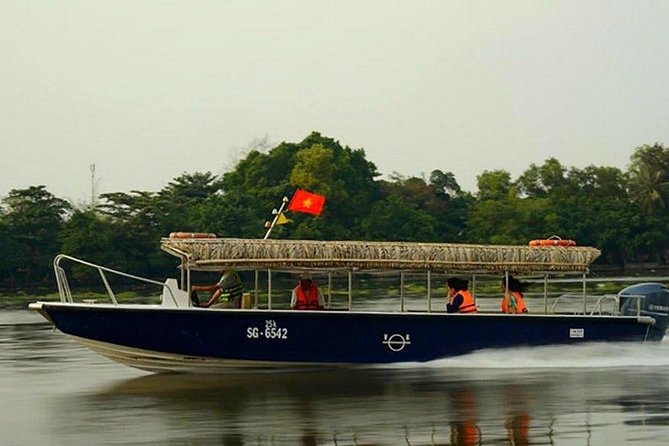
- Speedboat ride from central Ho Chi Minh City to save time and make the transfer scenic
- Professional guide-led tunnel visit with an intro video before exploring
- Lunch and cassava included so you can refuel without hunting for food
- Try shooting a gun as part of the experience, not just watching
- Small group size (max 20) for a more manageable pace
Morning Schedule From Ho Chi Minh City, 7:45 Pickup to Tunnel Time
This tour runs in the morning, starting with pickup at 7:45am from a central meeting point at 112 Đ. Trần Hưng Đạo, Phường Phạm Ngũ Lão, Quận 1. After pickup, you head to the dock for the speedboat ride to the Cu Chi area. The full day runs about 6 hours total, so it’s long enough to feel complete but short enough to keep the rest of your Ho Chi Minh City day open.
The timeline is built around getting you there early. You start with a short introduction and an intro video about tunnel construction and wartime survival. Then you get about four hours at the Cu Chi Tunnels and surrounding areas, including living and support spaces you can explore at your own speed within the flow of the tour.
A smart detail here is that the pacing is set up for learning plus doing. You’re not just dropped at a site and left to wander. The guide structure matters because Cu Chi is big, and without context it’s easy to miss what you’re actually looking at.
Potential drawback? If you really dislike early mornings, this one starts before your body feels ready. Also, because this is war-related history, come prepared for the topic to land harder than a typical sightseeing stop.
More Saigon tours, river trips, tunnel visits, and city experiences to compare


The Saigon River Speedboat Transfer, Why It Matters More Than You Think
The transfer is one of the biggest selling points. Instead of a road journey, you take a speedboat along the Saigon River. The ride is about 1 hour 15 minutes, and it’s included in the price.
In practical terms, that transfer changes the mood. You get time to sit, cool off a bit, and watch the river scenery instead of being stuck on a bus the whole way. One review specifically called out that going by boat felt faster and more comfortable than going by road, and you also get views of parts of Saigon from the water.
There’s also a timing advantage. You leave early, so you tend to avoid some of the bigger crowd waves that arrive later by other transport options. You still get plenty of time for the tunnel experience, but you’re not starting in a bottleneck situation.
If you’re traveling with kids, this part can be a win. One family described the speedboat ride as making the trip more interesting, and they kept their teens engaged for hours. Even if you’re traveling solo or as a couple, the boat ride gives your brain a reset before the site gets intense.
Entering Cu Chi: Intro Video, Guided Context, Then Underground Time
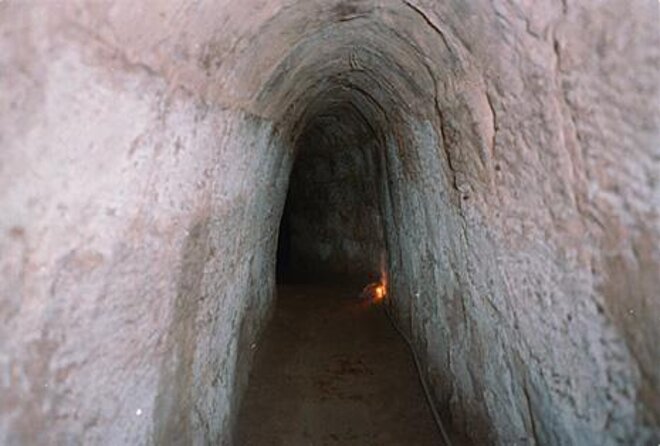
Once you reach the Cu Chi area, the tour starts with a short introduction followed by an introductory video. This is not fluff. It’s the part that helps the rest click, because the tunnels are not just a hole in the ground. They were engineered for survival, movement, secrecy, and day-to-day life during the war.
After the video, your time splits into two modes. First you explore the broader areas around the tunnels. Then you get the chance to explore the tunnel systems themselves. The tour is designed to show you practical spaces, not only dramatic highlights.
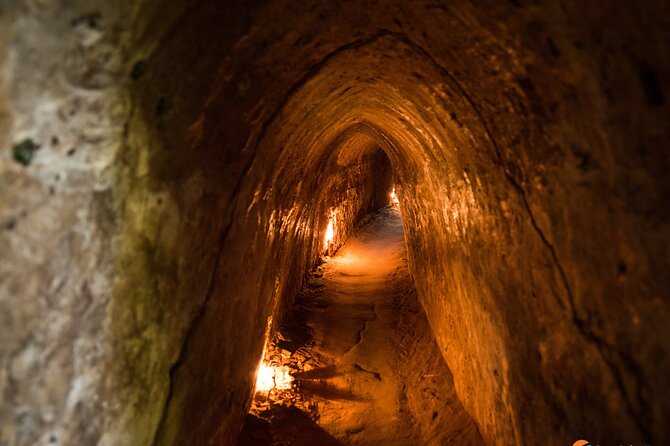
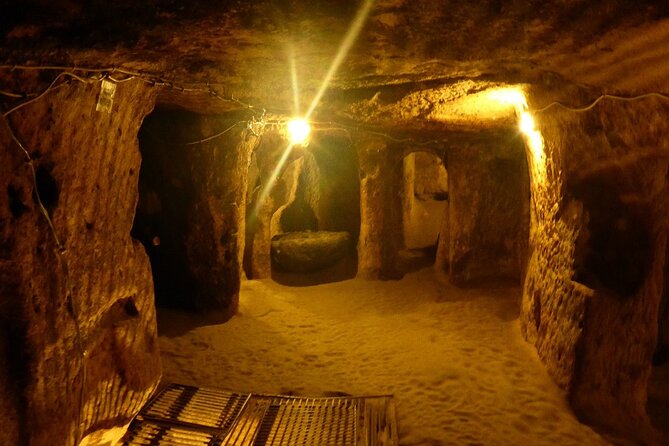
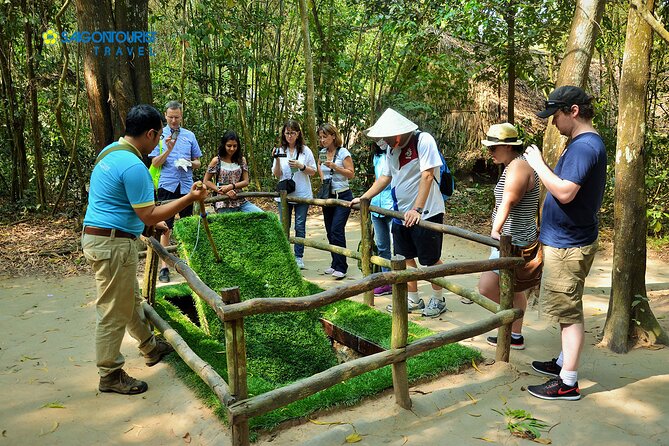
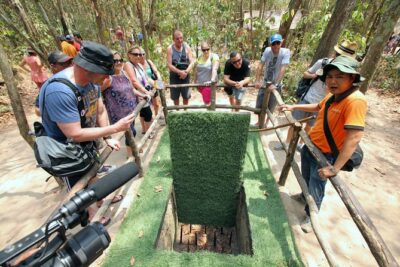
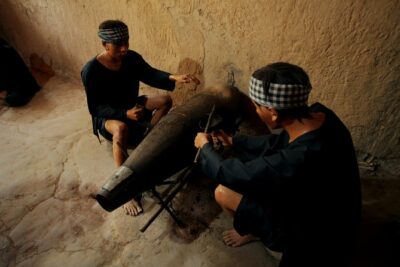
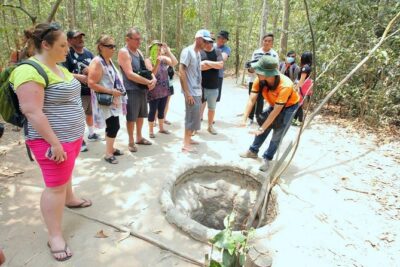
What you should expect to see includes the special constructed living areas with kitchens and bedrooms side by side, plus additional parts of the underground operation like storage, weapons factories, field hospitals, and command centers. Those categories matter because they show how survival and logistics ran together underground, not as separate ideas.
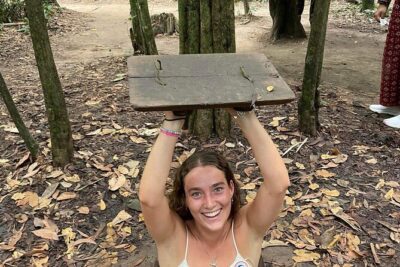
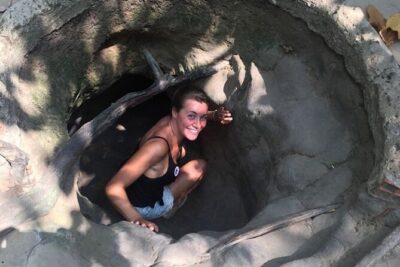
You may also be able to crawl through tunnel sections. One review mentioned crawling through the tunnels, which is a key reality check: it’s not a museum hallway. Go into it with the mindset that you’re experiencing conditions, not just looking at artifacts.
What You Learn Underground: Living Areas, Support Facilities, and Guerrilla Logic
Cu Chi is often remembered for the tunnels, but the experience here is about the system. The way the site is presented, you’re guided toward understanding the “why” behind the layout. You’re shown living and support spaces that helped people live through harsh conditions.
A big part of the value is how the guide connects the dots for you. One review highlighted a guide named Lucky, calling out that he was well-informed and helped bring the experience alive. Another review mentioned Kha Nguyen and praised the clarity of his explanations and the time he took for questions. That’s the difference between walking through a historical site and actually understanding how the different sections supported one another.
Here’s what the on-site setup does for you:
- It turns the tunnels from a scary novelty into a functional survival machine.
- It helps you see how ordinary routines like sleeping and cooking had to be redesigned.
- It gives meaning to why hidden areas and support spaces were built where they were.
One emotional note, without trying to scare you: war sites can be heavy. This tour leans into that seriousness, and that’s part of why the experience earns such high recommendations. If you’re expecting a light day out, plan on reframing your expectations once you arrive.
Lunch at No Extra Cost, Plus a Cassava Taste Test
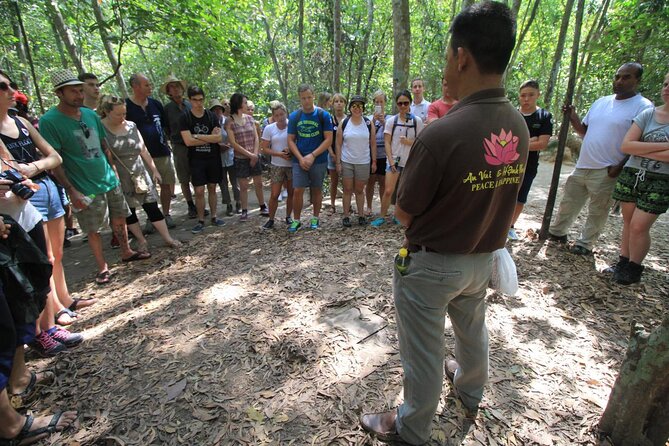
One of the easiest ways to judge value is to check what’s included. Here, lunch is served at no extra cost, and you also get the chance to sample cassava, described as a staple food during the war.
Food inclusion matters on a half-day tour because you don’t want to spend your limited time negotiating menus, hunting for a decent meal, or paying extra for the privilege. Cassava tasting adds another layer. It’s not a full culinary experience, but it helps you connect to everyday wartime life, where resources were limited and diets were shaped by necessity.
Some tours would do a token snack. This one ties the cassava moment to the broader story of survival. You’re already getting the “how people lived” context, and this food piece gives you something tangible to remember.
One practical tip: eat what’s offered, then pace yourself for the rest of the tunnel time. Underground areas and crawling sections can be physically tiring, and cassava tasting is usually best treated as part of a meal rhythm, not something you chase with a second snack right away.




Trying Gun Shooting: Fun Factor With Serious Context
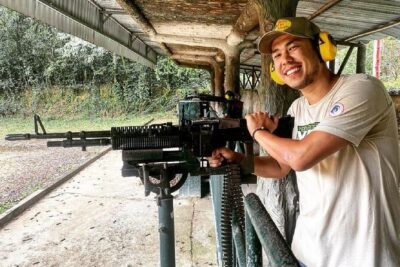
A highlight listed for this tour is the chance to try your hand at shooting a gun. That’s a big draw for people who want a hands-on moment beyond history talk. It also means you should approach it with an honest headspace.
The shooting element can be a fun skill moment, but it sits in a war historical setting. The best way to enjoy it is to treat it as a demonstration of the era’s tools, not as a standalone entertainment game.
If you’re traveling with kids, this can be a useful reality check because you’ll watch the activity through the lens of historical context. One family review specifically said the tour kept teens interested for hours, and the guide helped set a good pace. That pacing matters for young visitors because the site can otherwise feel like too many facts back-to-back.
If you’re sensitive to weapon-related activities, consider whether this try-on fits your comfort level. The tour includes it, so you won’t be able to fully skip it without changing your plan.
Price and Value for a $130 Half-Day Tour
At $130 per person, this tour is not a bargain-basement option. But it is also not priced like a bare-bones ticket. The value sits in the combination.
Here’s where your money goes, based on what’s included:
- Speedboat round-trip logistics from Ho Chi Minh City
- Bus transfers back (so you’re not stranded after the visit)
- Admission fees included
- Lunch included
- Professional guide
- On-site tunnel time with an intro video and guided explanation
If you’ve priced similar Cu Chi experiences, you’ll notice that speedboat and round-trip transfers can cost extra when they’re not packaged. So while $130 sounds steep on paper, the package reduces “hidden add-ons” like separate entry tickets and separate transport arrangements.
Also, the group limit of max 20 travelers helps keep the day from turning into a rushed cattle herd. Smaller groups make a difference when the content is dense and the site is physically demanding.
My practical take: if you care about having time with a guide, having a structured tunnel visit, and not spending half your day in traffic, the pricing starts to make sense.
Small Group Size, Guide Quality, and a Pace That Works
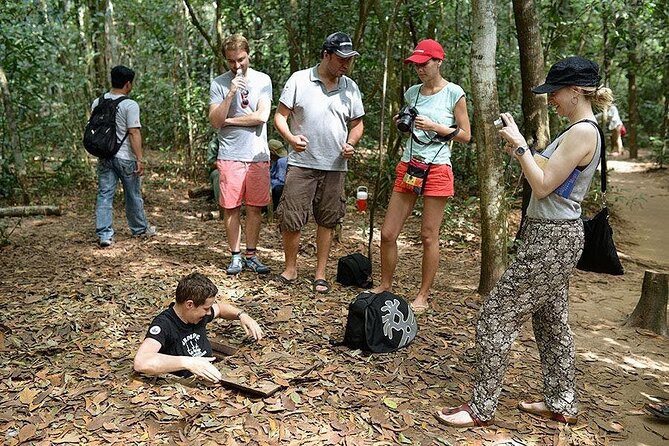
This is a small-group style tour with a maximum of 20 travelers. That matters more than you might think because Cu Chi is not a quick stop. You need time to process what you’re seeing, and you need breaks from the physical effort.
The guide also seems to be a major reason people rate the experience so highly. Reviews mention guide English ability and a sense of pacing, with at least two named guides showing up in feedback: Lucky and Kha Nguyen. Both were praised for information and for keeping the experience moving at a good tempo.
What you should look for on the day:
- Ask questions early, especially right after the intro video. That’s when you’ll have the best context.
- Follow the guide for tunnel sections, not just the open areas. The meaning often gets clearer when you hear the explanation as you move.
- Let yourself set a comfortable pace. You don’t need to rush through tight spaces to feel like you did it right.
The tour is also described as suitable for most travelers, which usually means you won’t need special skills to join. Still, physical comfort matters here since tunnels can be confining.
Who Should Book This Cu Chi Tunnels Morning Tour (and Who Should Rethink It)
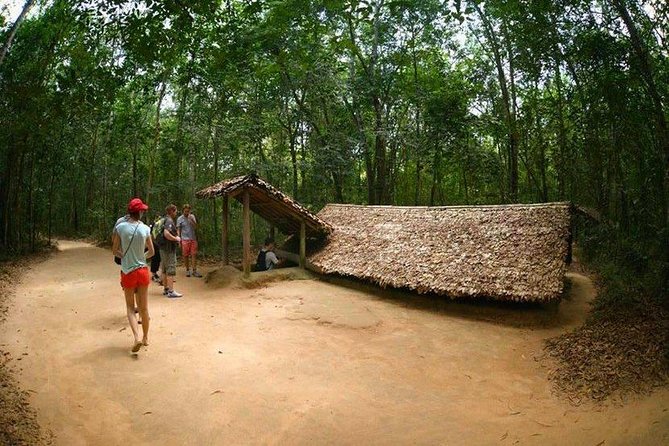
This is a strong choice if you:
- Want Vietnam War history explained by a guide, not just read on signs
- Like the idea of a speedboat transfer instead of a long road ride
- Appreciate hands-on moments like cassava tasting and the shooting try
- Prefer a small group to keep the experience manageable
It might be less ideal if you:
- Hate early starts and prefer slower mornings
- Strongly dislike confined spaces, since crawling and tight tunnel areas are part of the experience
- Prefer a purely educational museum-style visit without any weapon-related try-on
For families, it can work well. One review specifically said it kept teens interested for hours, with a guide who managed pace and energy. For adults, it can hit that sweet spot between serious learning and physical, memorable experience.
Should You Book Cu Chi Tunnels Waterway Trip Half Day Morning Tours?
I’d book this if you want the full package: speedboat, guide-led context, admission included, lunch included, and time to actually experience the tunnel environment. The biggest strength is the structure. You’re not guessing what matters, and you’re not spending your limited half-day on separate transport and ticket lines.
Book it with two expectations in mind. First, the topic is intense. Second, the tunnels are not designed for comfort. If you can handle both, you’ll likely come away with a clearer picture of how people lived underground, and you’ll remember it because you did more than just look.
FAQ
How long is the Cu Chi Tunnels half-day morning tour?
The tour is about 6 hours total, with around 4 hours at the Cu Chi Tunnels area.
What time does the pickup happen?
Pickup is at 7:45am from the meeting point in central Ho Chi Minh City.
Is lunch included?
Yes. Lunch is served at no extra cost, and cassava tasting is also part of the experience.
Does the price include admission fees?
Yes. Admission fees are included.
Is the speedboat and return transport included?
Yes. A speedboat transfer from Ho Chi Minh City is included, and bus transfers back are included as well.
How big is the group?
The tour has a maximum group size of 20 travelers.
FAQ
Is the tour refundable or changeable after booking?
This experience is non-refundable and cannot be changed for any reason.
More Morning in Ho Chi Minh City


More Tours in Ho Chi Minh City
More Tour Reviews in Ho Chi Minh City
Not for you? Here's more nearby things to do in Ho Chi Minh City we have reviewed







Cu Chi Tunnels Tours, compared.
 ★ 5.0Cu Chi Tunnels Tour from HCM City – Morning or AfternoonFrom $1515,833 reviews
 ★ 5.0HCM: Cu Chi Tunnels-Tapioca Small Group Tour Morning or AfternoonFrom $147,485 reviews
 ★ 5.0Cu Chi Tunnels and Mekong Delta Signature TourFrom $337,328 reviews
 ★ 5.0Cu Chi Tunnels & Mekong Delta Tour with VIP Limousine TransferFrom $567,052 reviews
 ★ 5.0Cu Chi Tunnels and Mekong Delta Full Day Tour – Max 12From $436,257 reviews
 ★ 5.0Cu Chi Luxury Group Tour – Tapioca and Cake Half DayFrom $213,375 reviews
 ★ 5.0CuChi Tunnels&Mekong Delta-Boat,TukTuk,Coconut Village SmallGroupFrom $323,113 reviews
 ★ 5.0Adventure Cu Chi Tunnels and Mekong Delta Tour From HCMFrom $292,869 reviews
Browse the lists this tour appears in