
There is something about floating markets at sunrise. This half-day Mekong Delta trip blends Cai Rang with small canals, plus breakfast on the river.
I especially like the hands-on stop at a family rice noodle house, where you learn the craft while supporting a real working business. I also like the calm canal time, because you see the Mekong beyond photo ops.
One possible drawback: the schedule can shift a bit due to river water conditions, and it is an early start at 5:30 AM, so plan for a short night.
Key highlights worth waking up for
- Sunrise arrival at Cai Rang Floating Market, timed for the best river activity
- Breakfast on the river, with vegetarian options available
- Family-run rice noodle house, where you can try making colorful noodles
- Paddle into smaller canals, for quiet nature and everyday river life
- Pineapple fruit stop plus chat time with people selling along the waterways
- A guide who tells the story well, including English and French speaking options
Cai Rang floating market breakfast: the Mekong in morning color
The morning starts early, with pickup in Cần Thơ city center and a river run that quickly changes your pace. By the time you reach Cai Rang Floating Market, the whole area feels like it is already in motion, but in a way that is still calm and focused in the early light.
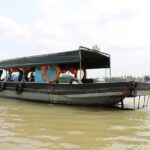
Cai Rang is the big name on the Mekong, and you come here to understand why. It is not only about boats selling goods. It is also about how people organize life around the river, from trading to timing and getting food to customers. You will see a lot of boats, produce, and daily routines stacked into a single moving scene.
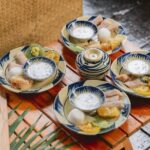
Then you add the best part for many first-timers: breakfast on the water. Local vendors prepare your meal after you arrive, and vegetarian options are available. This matters because breakfast is not a random add-on. It turns the market from a place you look at into a place you experience, right where the food is part of the rhythm.
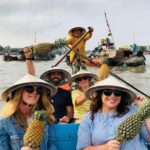
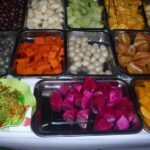
Between the market sights and breakfast, there is also a pineapple stop by boat. Fresh fruit here is not just a snack. It is a simple way to connect with the vendors and learn how river people talk about their work and products. You will be on the boat long enough to notice that conversations are part of the exchange, not separate from it.
You can also read our reviews of more boat tours in Can Tho


The river noodle house: where craft beats souvenir shopping
After the market, you head to a family rice noodle house for a village walk and a hands-on lesson in how noodles are made. This stop is special because it is practical, not performative. You are not shipped through a showroom. You get to see the technique and try it yourself.
The noodle house produces colorful noodles, and the process is tied to generations of family skill. Even if you are not a food expert, you can still appreciate what is happening: the exact look of the noodles is the result of careful work, not luck. When you try making them, you quickly understand why this is a family craft, not a quick kitchen trick.
A key value here is that the experience supports local culinary tradition directly, without turning it into a shop crawl. The lesson also helps you connect the dots between what you eat in the Mekong Delta and what you see on the river. Rice noodles are one of those foods that feel everywhere in Vietnam, but here you get the “how” behind them.
Small canals and paddle time: the Cần Thơ many people skip
The trip then shifts from the open market area to smaller waterways and quieter scenes. This is where the itinerary earns its place as more than a standard floating market outing.
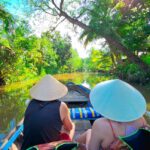
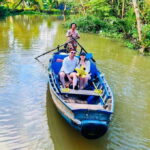
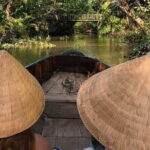
You glide into peaceful canals by paddle, not by big engine power. That detail changes everything. You hear the gentler sounds of the river and the surrounding vegetation, and you notice things at a slower speed, like water palms and coconut trees lining the channels. The vibe is quiet enough that it feels like the river has different rules here, rules based on routine and local movement rather than tourism.
You also get more of the rural life element: how people live with the river close by, how boats are used for everyday transport, and how the landscape feels lived-in rather than staged. For photographers, this is often the most rewarding stretch because you are not surrounded by the same kind of boat clustering you see at Cai Rang.
A note to set expectations: canal time is part of a half-day schedule, so you might wish for more paddling. That thought came up for people who wanted extra minutes in the quiet channels, and it is a fair reaction. Still, even a shorter canal segment gives you contrast, and it is a big reason this trip feels more “local” than “only market.”
Boat time and pacing: what the 4 to 6 hour format really means
Your total time on the water and on the stops is roughly 4.5 to 5 hours, with the whole thing designed to end back in central Cần Thơ around 9:00 AM to 9:30 AM. That early finish is a plus. You do not lose your whole morning to logistics, and you can still eat a late brunch, visit a nearby pagoda, or explore markets on foot afterward.
There are boat rides built into the route, including short transfers that take around 30 minutes each. Those transitions matter because they are part of the experience. You are not just moving from point to point. You are seeing river edges, boats, and the changing feel of the Mekong environment as you go.
Timing can shift based on tides and water conditions. That is not a problem, it is reality in a river system, and the operator uses a flexible schedule when needed. Practically, it means you should keep your day loose after the tour and avoid plans that require a strict arrival minute.
What you get for $35: value beyond the headline market
At $35 per person, this trip is priced like a classic half-day experience, but the value comes from what is included. You get hotel pickup in the city center area, a small boat experience with a driver, and an English and French speaking guide. Entrance fees tied to the floating market and the traditional rice noodle house village walk are also included.
You also get food that actually matters: breakfast on the river plus fresh fruit and a drink. That turns the money from “pay to watch” into “pay to be fed and guided.” It also helps justify the early start, because breakfast is not waiting until you are off the water.
The other value piece is focus. You are not spending most of your time in a single crowded dock. You see Cai Rang, then Cái Răng, then the Mekong River sections, then smaller canals. That mix reduces the risk of feeling like you paid for only one photo moment.
Guide quality is often the difference between a tour that feels like transportation and one that feels like understanding. On departures where you meet guides such as My Nguoc or Thinh, you can expect strong storytelling, quick answers, and a safety mindset that keeps the boat time comfortable. Even if your guide style differs, the format is built for questions, not silence.
One more practical value point: this tour is designed around supporting small family businesses. The fruit stop and the noodle house village walk are not framed as big commercial detours. They are tied to local work, which makes the whole morning feel more responsible and more real.
You can also read our reviews of more shopping tours in Can Tho




The guide, language options, and what to ask in the moment
The trip includes a live guide who speaks English and French, and Chinese is also listed as an available language. If you specifically want a French speaking guide, there is an extra fee noted for that option.
What I recommend you do, even if you are shy, is ask your guide one question in each major stop. For the floating market, ask how vendors decide what to bring and when. For the noodle house, ask what makes the noodles different at each stage of the process. For the canals, ask how daily life changes when the water level shifts.
These questions make the morning stick, because you will connect the visuals to practical reasons. You stop treating the Mekong like a postcard and start treating it like a working system.
Who should take this tour, and who should skip it
This is a boat and paddle experience, so comfort matters. It is listed as not suitable for pregnant women, people with back problems, and wheelchair users. That makes sense, given the early start and the physical reality of getting on and off small boats, plus the paddle segment.
If you are generally steady on your feet and can manage early mornings, this tour is a great fit for first-timers in Cần Thơ who want a deeper look than just a single floating market stop. It is also a good match for travelers who enjoy food culture and craft learning, not only sightseeing.
If your main goal is maximum sightseeing time, you might feel the half-day format is tight. But if your goal is meaningful river life, breakfast, and calm canals, the pacing works.
Optional add-on: countryside bike route and cacao milk
If you want more than the half-day tour, there is an optional activity that can extend the experience until around 11:30 AM. This is not the core tour. It is an add-on if you have the energy for a second slice of the morning.
The bike add-on starts at a dragon fruit farm, where you can taste fresh fruit. Then you ride through Truc Lam Pagoda and continue through scenic Mekong Delta areas by bike, crossing local ferries and visiting heritage spots along the way. You finish with a stop at a family-run cacao farm, where you can enjoy fresh cacao milk and learn about traditional chocolate-making.
This add-on is for people who like variety, and who are comfortable biking after an early start. If that sounds like you, it can turn a single river morning into a full local food and culture thread from fruit to cacao.
Practical tips so your morning goes smoothly
A few small things make a big difference for a sunrise river trip.
Bring comfortable shoes, because you may be walking on uneven surfaces around boats and docks. Bring water, since it is an early start and you will be outdoors. A waterproof camera helps a lot, because everything happens close to the waterline. Wear comfortable clothes you can move in, especially for the village walk and noodle house portion.
Also, remember the pickup and drop-off are set up for hotel locations in central Cần Thơ. If you stay outside the city center, the operator asks you to contact them in advance so they can confirm your meeting point.
Should you book the Floating Market Small Boat Trip in Cần Thơ?
Book it if you want a morning-focused Mekong Delta experience that mixes Cai Rang with smaller canals, plus food that is part of the day (not an afterthought). The value is strongest when you care about local craft, like the family noodle house, and when you enjoy the quieter side of river life.
Pass or reconsider if you need a late start, struggle with boat transfers, or have mobility or back issues. Also keep your day flexible because tide conditions can affect timing.
If you like tours with a human pace, where breakfast is on the river and the craft is hands-on, this one is a solid choice for Cần Thơ.
FAQ
What time does the tour start?
The tour starts at 5:30 AM.
How long does the Floating Market Small Boat Trip take?
It runs about 4.5 to 5 hours, with the total duration listed as 4 to 6 hours.
Is breakfast included, and are vegetarian options available?
Yes. Breakfast is included and vegetarian-friendly options are available. There is also fresh fruit and a drink.
What are the main places you visit?
You visit the Cai Rang Floating Market, then Cái Răng, and you also cruise the Mekong River and smaller canals. There is also a visit to a family rice noodle house.
Do I need to pay for entrance fees?
Entrance fees for Cai Rang floating market and the rice noodle house village walk are included.
What languages is the guide available in?
The live guide is available in English, French, and Chinese. A French speaking guide can involve an extra fee.
Is this tour suitable for everyone?
It is not suitable for pregnant women, people with back problems, or wheelchair users.
More Shopping Tours in Can Tho
More Boat Tours & Cruises in Can Tho
More Tour Reviews in Can Tho
Not for you? Here's more nearby things to do in Can Tho we have reviewed







Can Tho Tours from Saigon, compared.
 ★ 5.0Can Tho: Floating Market & Mekong’s Legacy( About 6 Pax)From $261,438 reviews
 ★ 4.9Can Tho: A Real Mekong Tour, Floating Market, Cacao & Life’sFrom $25574 reviews
 ★ 4.9Can Tho: Authentic Floating Market, Wild Canal system, CocoaFrom $26398 reviews
★ 5.0CAN THO: Floating Market & Mekong’s Legacy (About 6 Pax)From $35235 reviews
★ 4.9Can Tho: Authentic Floating Market, Wild Canal system, CocoaFrom $26398 reviews
★ 5.0CAN THO: Floating Market & Mekong’s Legacy (About 6 Pax)From $35235 reviews
 ★ 5.0Cai Rang Floating Market Biking Cooking Class in Can Tho RuralFrom $30172 reviews
 ★ 5.0Can Tho: Authentic Mekong Delta – Real Local Life Tour.From $36149 reviews
 ★ 5.0Cai Rang Floating Market Tour -Amazing Can ThoFrom $78106 reviews
 ★ 4.8Can Tho: Lung Ngoc Hoang Nature Reserve & Forest TourFrom $4785 reviews
Browse the lists this tour appears in