
Reviewed · MEKONG DELTA TOURS FROM SAIGON
From Ho Chi Minh: Mekong Delta 3 Days Chau Doc, Cai Be tour
Three days, four water worlds, no wasted time. This Mekong Delta route links Cai Be orchards, the Cai Rang Floating Market, and the mangrove quiet of Tra Su with the cultural depth of Chau Doc and Go Thap.
I especially like how the tour mixes big sights with hands-on family stops. Coconut candy making and fruit tastings with serenading Southern folk music make the day feel personal, not just scenic.
One possible drawback is the food rhythm. The schedule includes multiple meals at local spots, and one review flagged that the flavors can feel similar day to day, so if you are picky, plan to bring small snacks you trust.
Key things that make this Mekong Delta tour click
- Fruit-basket cruising in Cai Be: Boat time on the Tien River with orchard villages, canals, and local life
- Cai Rang Floating Market early: A morning boat ride that makes the market feel practical, not touristy
- Khmer heritage at Munir Ansay Pagoda: Unique Khmer temple architecture as part of the Can Tho day
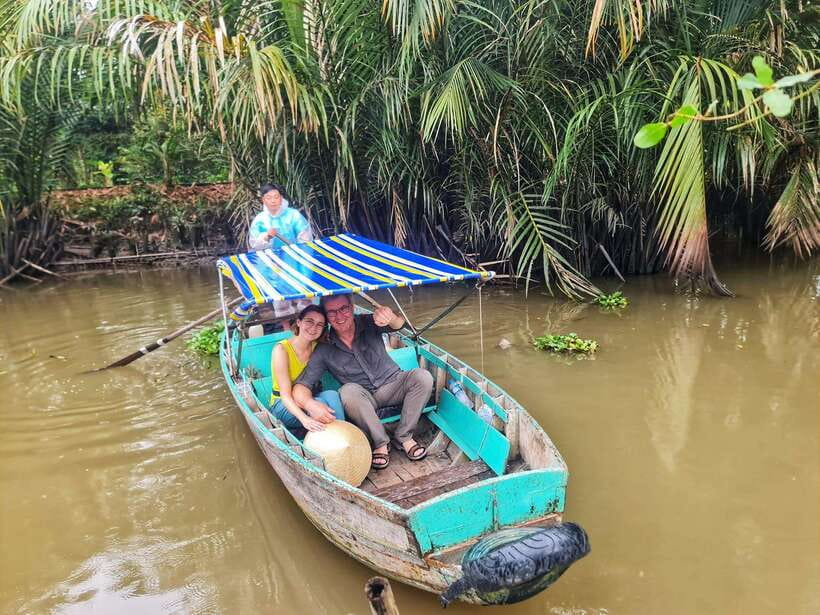
- Tra Su Forest by rowing boat: A calm mangrove experience that feels very different from the markets
- Oc Eo culture at Go Thap: Learn how Funan-era culture connects to the Oc Eo period
- An English guide who actually answers questions: Past guides named Naomi and Trena were praised for staying on top of details
Why This 3-Day Mekong Delta Loop Works
This tour is designed like a good river trip should be. You get boat time, village time, and temple time, without turning the days into one long bus ride after another.
The best value is the mix. Cai Be gives you fruit orchards and small family production. Can Tho focuses on river markets and Khmer religious culture. Chau Doc shifts to Cham heritage and mountain temples. Then you finish with Go Thap, which adds a historical layer most short Mekong tours skip.
You can also read our reviews of more tours and experiences in Southern Vietnam.

Ho Chi Minh City to Cai Be: Fruit tastings and coconut candy in the Tien River world
The first morning starts with a hotel pickup in central Ho Chi Minh City, with the tour departing around 7:30. From there you head toward Cai Be, then step into the Mekong rhythm on the water.
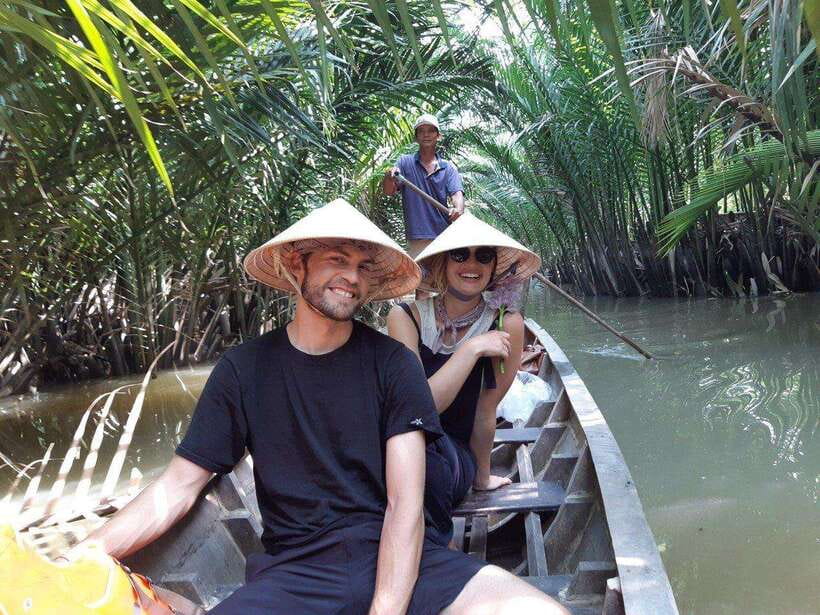
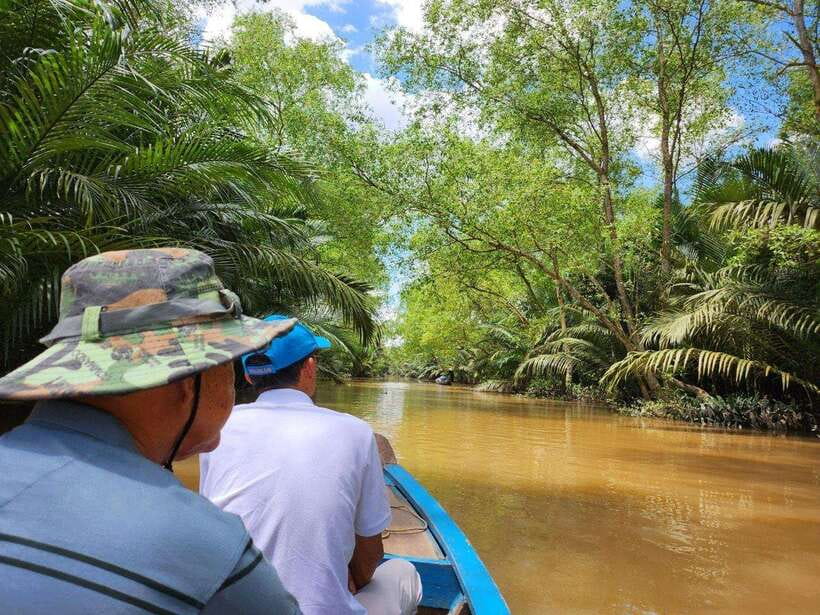
Once you arrive, you take a boat ride on the Tien River and explore the area known for lush orchard gardens, often described as a fruit basket of the Lower Mekong. This is the part of the Mekong Delta that helps you understand how daily life ties to canals and seasonal harvests.
What I like here is the pacing of the stops. You are not only looking at water. You also move through villages and see older-style houses and local traditions. Then the tour turns food into a story: a family business makes coconut fudges, and you also get crispy rice popcorn. It is the kind of local production stop that helps you notice what people actually do, not just what they sell.
The tour also includes a fruit tasting experience with Southern Vietnamese folk music, which is a nice way to break up all the walking and boating. Expect seasonal fruit flavors, plus time to slow down and snack while the atmosphere stays relaxed.
Lunch on this first day is served in a local garden setting, and you have time to enjoy Vietnamese specialties before heading back by boat to Cai Be. After that, the route continues to Can Tho City for an overnight stay.
Practical note: boat rides are a major chunk of the experience. If you tend to get motion discomfort easily, bring something you can tolerate on the water and stay hydrated.
Can Tho Morning: Cai Rang Floating Market, a noodle factory walk, and Munir Ansay Pagoda
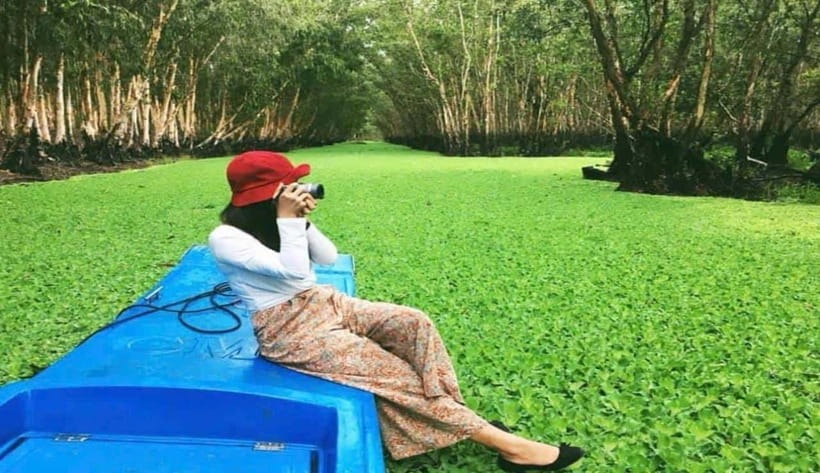
Day two begins early, with breakfast at the hotel before you head out. The morning is built around the Hau River tributaries and the Cai Rang Floating Market.
The key to this stop is timing. Going by boat in the morning gives you a front-row view of how the market works, and you see the market as a working network, not a staged photo set. You can also connect it to the rest of the route, since the earlier Cai Be day focused on orchard products and family food making.
After the floating market, there is a walking tour at a noodle factory. Even if you are not obsessed with cooking, this kind of stop is useful. You learn how food moves from raw inputs to something that ends up in everyday bowls.
Then the tour includes the Munir Ansay Pagoda, a well-known Khmer temple with unique architecture. This is a meaningful change of pace from the river markets. It also broadens the Mekong story beyond Vietnamese-only culture, which matters in a region where Khmer heritage is visible.
From there, you travel by boat to the Con Son tourist area to see a fruit plantation and enjoy seasonal fruits. You get another taste moment, so you can compare flavors and textures across the different stops.
Lunch is included before heading toward Chau Doc.
This day packs variety into a tight schedule, which is part of why reviewers liked it. The tour feels intentional, not random.
Tra Su Forest: Rowing through mangroves when the river noise fades
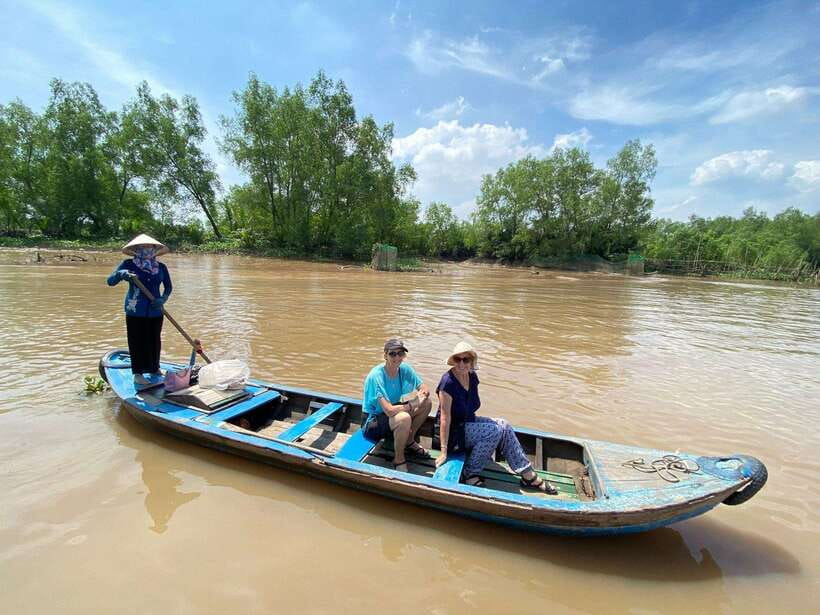
After Can Tho, you head to Chau Doc, and then the tour brings you to Tra Su Forest in An Giang.
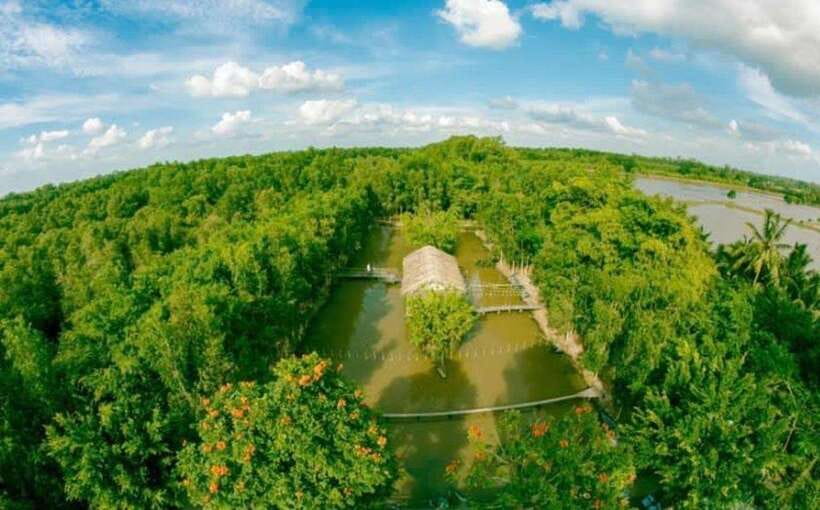
Tra Su is known for its mangrove ecosystem and the mix of flora and fauna that call these wet forest areas home. The big difference here is the mood. Instead of market energy, you are in a quieter green space where movement is slower and the views are calmer.
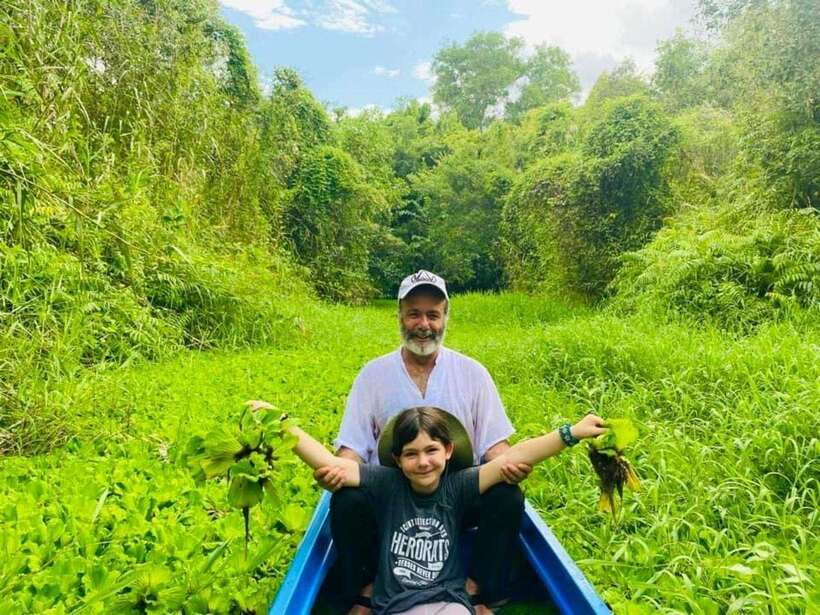
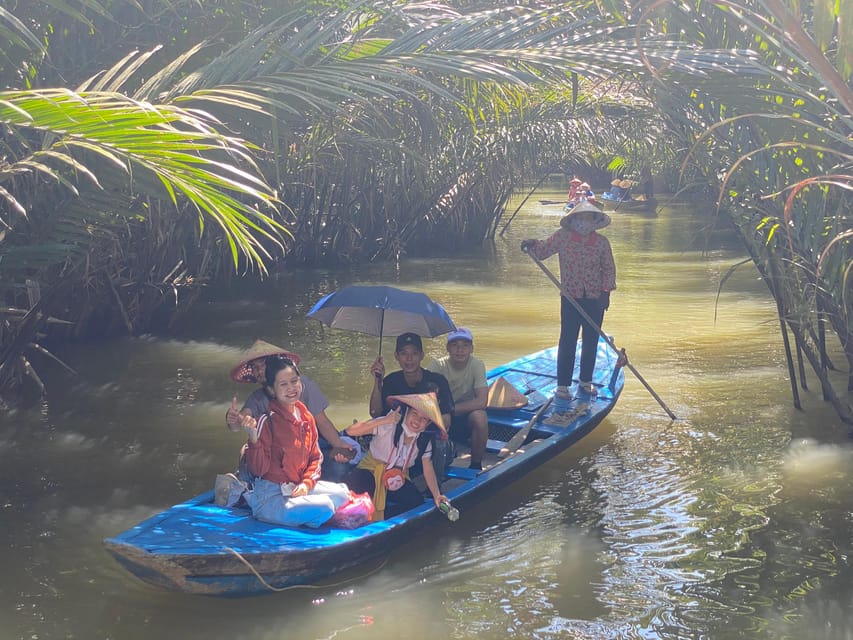
The tour gives you a rowing boat journey through the forest. This is one of the strongest “I’m glad I did this” segments because it slows your brain down. You notice shapes and textures you would not catch while moving fast from place to place.
What to expect: you will likely be surrounded by green waterways and mangrove roots. Bring something light for sun protection and be ready for slightly humid conditions.
If you are the type who wants one or two standout nature moments, this is the segment to prioritize. The rest of the trip is packed, and Tra Su is where it balances out.
Chau Doc culture day: Floating village life, Cham heritage, and the Hang Temple climb

The final day starts early again, with breakfast and then the cultural stops begin.
First you visit the floating village, followed by the Cham Village to learn about shared cultural heritage between the Cham people and the Mekong Delta region. This matters because the Mekong Delta is often reduced to markets and food. Here, you get a human culture thread.
Next comes time in the Chau Doc Market, a place where you can see local produce, handcrafted goods, and even some Cambodian imports. Even if you do not buy much, market time is useful for picking up a sense of what locals spend their days on.
After that, you head to Hang Temple on Sam Mountain. You ascend a path through greenery and reach a cave sanctuary. Inside you will find Buddhist sculptures and a quieter atmosphere that feels far from the river towns.
From there, you pay respects at Ba Chua Xu Temple, a sacred site locals deeply revere, and you can offer prayers for good fortune. If you are comfortable being respectful in religious spaces, this is a good moment of calm.
Lunch comes after these stops, and then there is photo time for lotus fields in bloom if conditions line up during your visit. The tour also notes Go Thap next, so you should keep some energy for that final historical segment.
One extra detail to know: if you are traveling on to Phnom Penh, passengers may be stopped at the boat meeting point before departing onward. If you are planning a multi-country route, this can help you avoid confusion at the end.


Go Thap and Oc Eo: Finishing with the Funan-era story at a major historical site
The tour finishes with Go Thap, an important historical area where you learn about the Oc Eo culture.
You will hear how Oc Eo existed from the 1st century, grew strongly in the 7th century, and had cultural traditions continuing into the 10th century. The tour also connects Oc Eo to the broader development of an ancient kingdom of Funan.
This part works because it gives you meaning. After days of tasting fruit, watching boats, and learning about local temples and villages, Go Thap ties the region together through long-term cultural change. Even if you are not a history fan, you will likely appreciate how the Mekong Delta has been a crossroads for centuries, not just a travel circuit.
After Go Thap, you return to Ho Chi Minh City, ending the journey.
Price and value: Is about $236 per person a good deal?
At $236 per person for a 3-day, guided, multi-boat Mekong route, the price feels reasonable if you factor in what is included.
You get:
- A/c van or bus pickup and transfers (pickup in central District 1, except Tan Đinh and Da Kao Ward)
- Boat trips in the Mekong Delta
- An English-speaking guide
- Entrance fees included
What is not included:
- Accommodation
- Travel insurance
- Tips
- A single-room surcharge for solo travelers
So the real question is your hotel cost. If you already planned to stay in Can Tho or you are okay booking rooms yourself, this tour can be a strong value because you are paying mainly for transportation, guide time, boat rides, and admission fees.
If you hate early mornings or you want a slow, independent schedule, then the “value” might feel lower. But if you want a structured introduction to Cai Be, Can Tho, Tra Su, Chau Doc, and Go Thap in only three days, the math usually works.
Pacing, meals, and what to pack so you enjoy every day
This tour runs on early starts and frequent movement. Expect early departures, boat rides, and enough walking to keep you awake.
Meals are included on the days where the program lists them, including:
- Day two: breakfast, lunch, and dinner
- Day three: breakfast and lunch
- Day one: lunch is included
That is great for budget control, but here is the practical trade-off: meals are handled as part of the route. One downside flagged is that the food can feel similar across stops. If you are sensitive to repeat menus, plan a simple strategy:
- Bring a small snack stash you like
- Carry water during long stretches
- Eat slowly when you can, so the taste fatigue does not hit as hard
What to pack:
- Sun protection for open-air boat and market time
- Something light for humidity and cooler temple cave air
- Comfortable shoes for mountain paths and walking segments
- Basic cash for any personal purchases in markets (the tour does not mention what you can buy included)
Who should book this Mekong Delta tour
I think this tour fits best if you want:
- A guided introduction to southern Vietnam’s river culture in a short time
- Multiple boat experiences, not just one river ride
- A blend of nature (Tra Su Forest) and culture (Munir Ansay Pagoda, Cham Village, Sam Mountain temples)
- A tour guide who stays responsive
The guide factor matters. Past groups praised English guides named Naomi and Trena for knowledge of the area, helpful answers, and making sure the group is comfortable and informed.
If you are a solo traveler, check the single-room surcharge before you commit. If you are traveling as a couple or group, you will likely find the logistics easier and the value clearer.
Should you book this Mekong Delta 3 Days Chau Doc, Cai Be tour?
Yes, you should book it if you want a well-paced 3-day “greatest hits plus meaning” version of the Mekong Delta. It gives you boat time in Cai Be and on the Hau River, the famous Cai Rang market, the quieter Tra Su mangroves, and a solid ending at Go Thap for Oc Eo culture.
Skip or rethink if you:
- Want a slow trip with lots of free time to wander alone
- Strongly dislike repeat-style meals
- Prefer only one or two boat segments instead of several days of water travel
FAQ
How long is the tour?
It is a 3-day tour.
Where does the tour start?
It starts in Ho Chi Minh City, with pickup from central District 1 (except Tan Đinh and Da Kao Ward).
What is included in the price?
The price includes A/c van or bus pickup and transfers, boat trip(s) in the Mekong Delta, an English-speaking guide, and all entrance fees.
Is accommodation included?
No. Accommodation is not included.
Are boats included during the trip?
Yes. The tour includes boat trips in the Mekong Delta, including rides on the Tien River and Hau River.
Which floating market do you visit?
You visit the Cai Rang Floating Market on the Hau River.
What is Tra Su Forest?
Tra Su Forest is a mangrove forest ecosystem in An Giang, and you visit it by rowing boat.
What historical site do you visit near the end?
You visit Go Thap to learn about Oc Eo culture.
Which meals are included?
The program lists breakfast and dinner on the second day, and breakfast and lunch on the third day. Lunch is also included on the first day.
Do I need to pay for insurance or tips?
Travel insurance and tips are not included.
More Tours in Southern Vietnam
More Tour Reviews in Southern Vietnam
Not for you? Here's more nearby things to do in Southern Vietnam we have reviewed
Mekong Delta Tours from Saigon, compared.
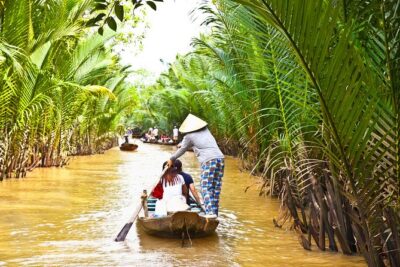 ★ 4.5From HCM City: Mekong Delta Tour with Sampan JourneyFrom $1613,132 reviews
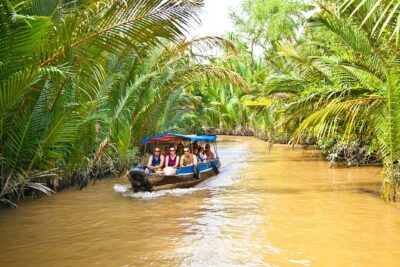 ★ 5.0Cu Chi Tunnels and Mekong Delta Signature TourFrom $337,328 reviews
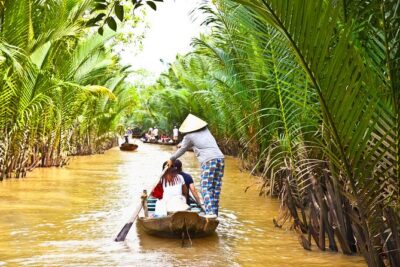 ★ 4.5Mekong Delta Guided Tour from Ho Chi Minh CityFrom $187,192 reviews
 ★ 5.0Cu Chi Tunnels & Mekong Delta Tour with VIP Limousine TransferFrom $567,052 reviews
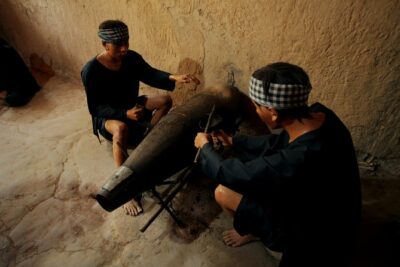 ★ 5.0Cu Chi Tunnels and Mekong Delta Full Day Tour – Max 12From $436,257 reviews
 ★ 4.7HCM: Mekong Delta, My Tho & Ben Tre Coconut VillageFrom $163,304 reviews
 ★ 5.0CuChi Tunnels&Mekong Delta-Boat,TukTuk,Coconut Village SmallGroupFrom $323,113 reviews
 ★ 5.0Adventure Cu Chi Tunnels and Mekong Delta Tour From HCMFrom $292,869 reviews
Browse the lists this tour appears in