
Reviewed · WORKSHOPS
Hands-on making 3 Iconic Coffees of South Central North Vietnam
Three coffees, one Vietnamese lesson. In Ho Chi Minh City, this small workshop shows you how to make three iconic regional coffees and lets you taste why each one is tied to the people behind it. The 1.5-hour session is hosted by Quynh from Vietnam Coffee Journey, and it is part practical class, part cultural story.
I really like two things here. First, you practice PHIN coffee the right way, then compare it to an intentionally wrong method so you can taste what changes. Second, the class connects each drink to a specific region, Saigon in the South, central Vietnam for the new-school salted style, and Hanoi for the egg coffee.
One thing to consider: this is a hands-on workshop, not a full city sightseeing tour. If you want streets and viewpoints as much as coffee, you might also want to look at Quynh’s longer electric tuktuk coffee crawl option.
Why Three Coffees Explain Vietnam in a Single Cup
Vietnam stretches about 1,650 km, and the flavors do not stay still. Quynh frames coffee as a shortcut into regional life, local preferences, and historical context. It is not just what you drink, it is why people in each area ended up loving that cup.
The host has 16 years in food and beverage, plus a real interest in history and culture. During the session, he builds a clear picture of Vietnam’s three main regions through the ingredients and techniques behind the drinks. You end up with a practical outcome, you can actually make the coffees later, and a cultural outcome, you understand what each style represents.
This is also where the “hands-on” part matters. Coffee culture can sound abstract until you adjust something and instantly taste the difference. You will do that more than once.
The PHIN Coffee Starter, Including the Wrong Sample Taste Test
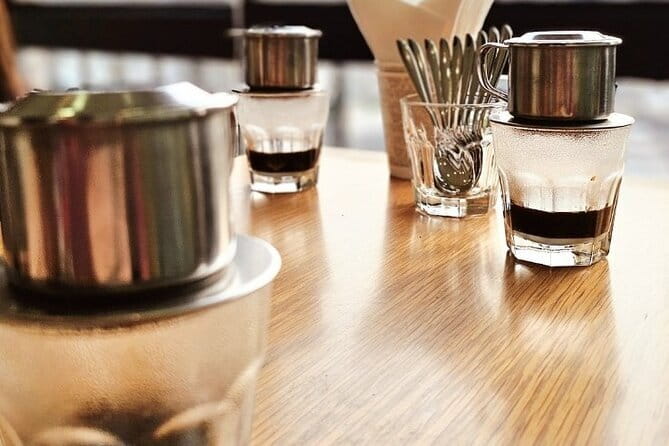
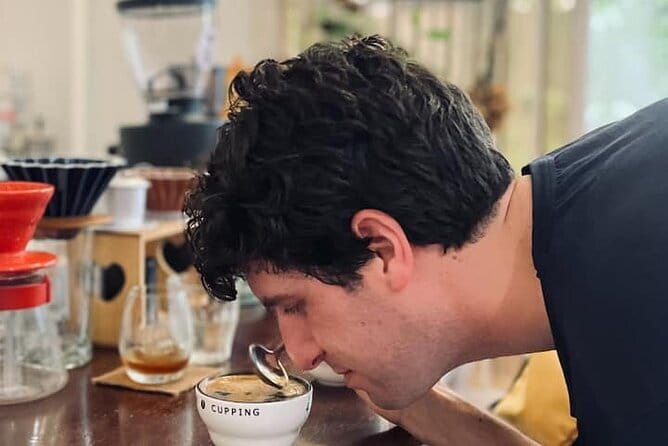
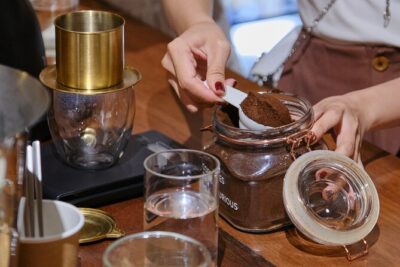
The class starts with pure PHIN coffee training. You learn the correct method, and Quynh sets you up for one of the most useful learning tricks: he prepares a wrong sample alongside the one you are aiming to master.
That compare-and-taste moment is the fastest way to understand PHIN coffee. When you see how small changes affect strength, balance, and overall flavor, you stop guessing. You also learn what to watch for so your future cups taste intentional, not accidental.
Quynh explains the brief history of Vietnamese coffee culture up front, so the technique feels grounded instead of random. Then you put that background into action with the PHIN process you will repeat at home.
What I like as a practical traveler tip: pay attention to how you adjust to your own taste. The goal is not to copy perfectly, it is to learn how to get a cup that fits your mood, sweet level, and coffee strength.
More Saigon tours, river trips, tunnel visits, and city experiences to compare

Saigon Iced Coffee with Condensed Milk, and the South’s Sweet Spot

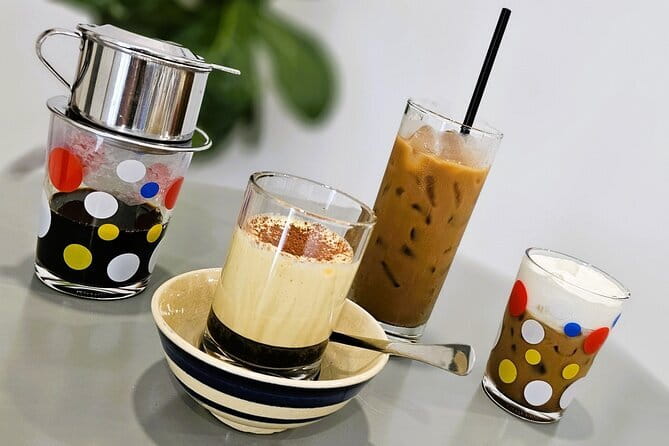
Next comes the famous Vietnamese coffee made with condensed milk, tied to Saigon and South Vietnam. This is the style many people first think of when they hear Vietnamese iced coffee, and Quynh makes the reasoning behind it feel obvious.
You will make it with the ingredients and tools ready to go, and you also get the story behind the combination. The condensed milk version is explained as a reflection of Saigon-style preferences, meaning it lands on the sweeter, smoother side and stays satisfying even when served cold.
The best part is how you learn to adjust it. You are not stuck with a one-size recipe. If you like it stronger, you learn how to push toward that. If you prefer it gentler, you learn how to keep it balanced.
This part of the workshop is ideal if you are a “taste then tweak” person. You leave with a method you can adapt, instead of a single memorized ratio.
Central Vietnam Salted Cream Coffee, New Tricks for a Sweet-Salty Balance
Central Vietnam’s coffee shows up in a modern trendy form: salted cream coffee. The “trick” here is the balance. Salt changes how sweetness reads on your tongue, and it can make the coffee taste more rounded instead of flat.
Quynh explains the ingredients combination and shares tips for getting the flavor right. You will handle the process hands-on, not just watch, so you feel what changes when you shift the balance of sweet and salty.
This is the region part that surprises a lot of people. South Vietnam often gets most of the attention, and Hanoi has its own fame. Central Vietnam can feel like the missing chapter until you taste how it has evolved into a newer style.
If you like café drinks, or you have tried salted coffee elsewhere and wondered what makes Vietnamese versions work, this stop answers that curiosity fast. You come away with a practical understanding you can use again.
Hanoi Egg Coffee, Where the Capital’s Character Shows Through
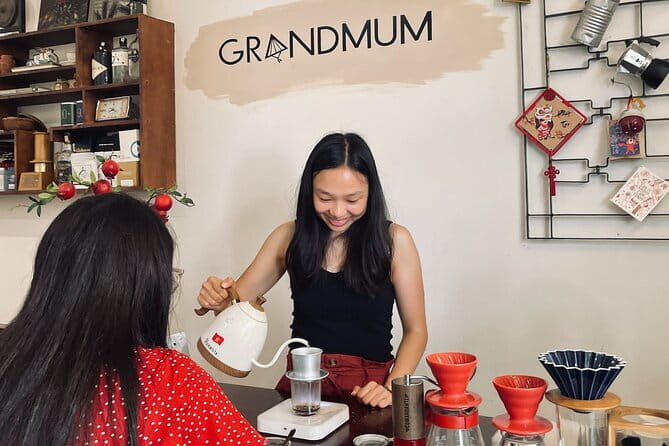
Then you move north to Hanoi with egg coffee. This is the extraordinary style in the set, and Quynh ties it to the capital’s character through the drink itself.
Even if you have had egg coffee before, this workshop approach helps because you learn what to look for while you make it. You also get the explanation that connects the drink to why Hanoi is known for a distinct café culture and taste profile.
The important value here is not just eating a signature drink. It is understanding it as part of a regional identity. Quynh’s storytelling makes the egg coffee feel like more than a dessert-like novelty.
If you enjoy foods that feel a little theatrical but still grounded, egg coffee is your moment. You will likely leave wanting to re-create it slowly at home, just to see if you can match the balance you were guided toward.
Workshop Setup in District 1, What to Expect When You Arrive
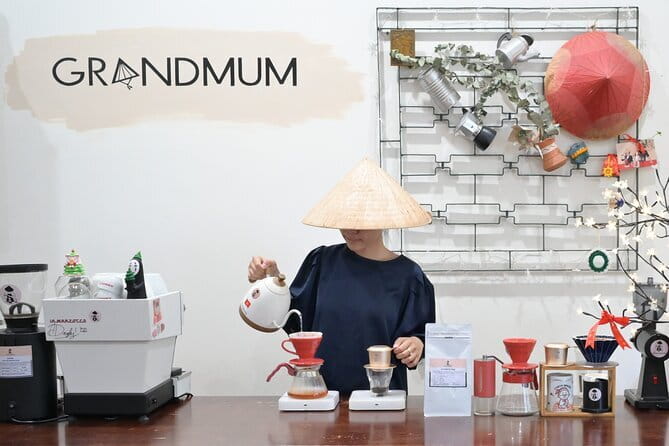
You meet at 27 Ngô Đức Kế, Bến Nghé, Quận 1 in Ho Chi Minh City. It is in the city center, and the experience notes say it is near public transportation. The session ends back at the meeting point, so you do not need to plan an extra hop afterward.
The class is limited to a maximum of 6 travelers, which is a big deal for a hands-on workshop. Small group time means more chance to ask questions while you are actively making coffee.
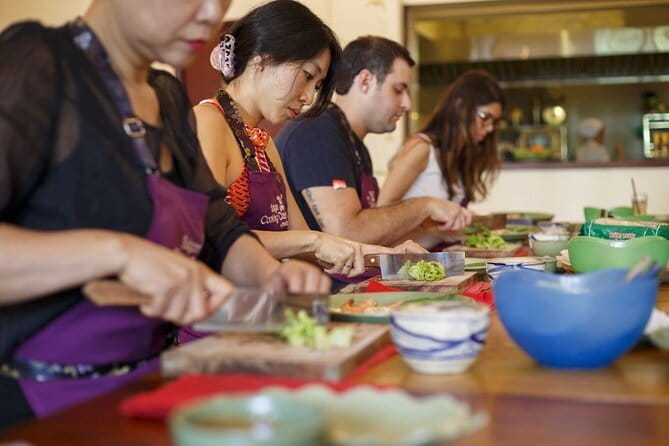
One review detail that matches what you should expect from a well-run small workshop: it is in an attic-style workspace, with tables and accessories laid out so you can work without chaos. That matters because when you are learning a technique like PHIN brewing, setup clutter becomes your enemy.
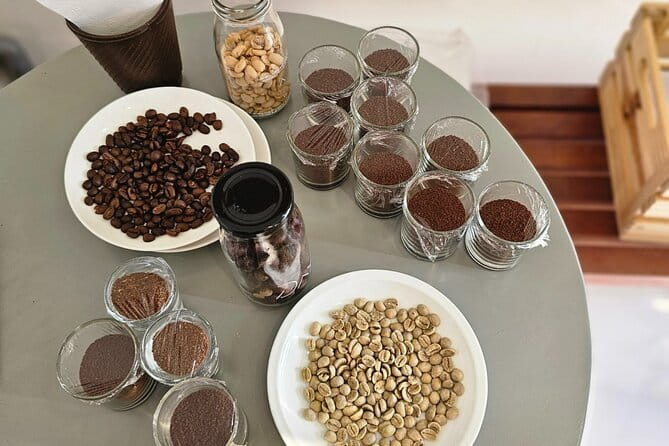
You also get a snack of cashew nuts, another top product from Vietnam. It is a small extra, but it fits the theme of local ingredients.
If you want to contact the host directly, Quynh lists a WhatsApp number, +84 37 913 2333. That can be handy if you are arriving close to the meeting time.




Price and What You Get for $21.69
At $21.69 per person, this workshop feels like fair value when you look at what is included. You get coffee and/or tea, plus equipment and ingredients already set for the drinks. The class covers four coffee drinks, including the PHIN coffee practice and the regional styles, so you are paying for instruction plus full materials, not just a tasting.
For many coffee experiences in big cities, you end up with either a short demo or a set of sips. Here, you do the making. The learning comes from repeating steps with guidance, plus the tasting comparison during the PHIN segment.
You also get a cultural explanation that is not vague. The host ties ingredients and methods to the South, Central, and North regions, so your knowledge has something to “stick” to. That is part of the value, because it turns coffee into a simple framework for understanding Vietnam.
If you are the kind of traveler who hates paying for things you will not reuse, this is a good fit. The drinks you practice are exactly what you can recreate later with basic equipment.
Who Should Book, and Who Might Want a Different Option
This workshop is a great choice if you are:
- A coffee fan who wants to learn Vietnamese techniques, not just order them
- Someone who likes stories tied to food, and wants the why behind the drink
- Traveling solo or with friends and you want a small-group experience
It may be less ideal if:
- You want a full walking tour with lots of sights in 1.5 hours
- You are looking for a strict restaurant tasting menu style, with no real hands-on work
One extra note that could help you plan: Quynh also offers a separate 4-hour tour around city growth through coffee drinks using an electric tuktuk. If you want more city context after the workshop, that longer option may match your travel pace better.
Should You Book This Vietnamese Coffee Workshop?
I think you should book if you want a compact, high-value way to learn Vietnamese coffee culture with real technique. The PHIN taste comparison, the regional stories, and the fact that you make four different drinks all point to a class that is designed to teach, not just entertain.
It is also a good bet if you are visiting Ho Chi Minh City and want something other than museums and markets. This gives you an everyday skill you can bring home, plus a clearer sense of how Vietnam’s regions show up in food.
If you only want one quick iced coffee and you are not interested in learning methods, it might feel like too much work for too little time. But if you like hands-on learning and you enjoy tasting as you go, this one is hard to miss.
FAQ
How long is the Hands-on making 3 Iconic Coffees of South Central North Vietnam workshop?
It runs about 1 hour 30 minutes.
Where does the experience start and end?
The meeting point is 27 Ngô Đức Kế, Bến Nghé, Quận 1, Ho Chi Minh City, and the experience ends back at the same meeting point.
What drinks will I make during the class?
You will practice pure PHIN coffee, make Vietnamese coffee with condensed milk, make salted cream coffee, and make Hanoi egg coffee.
What is included in the price?
The price includes coffee and/or tea for four coffee drinks, along with the ingredients and equipment. It also includes snacks, such as cashew nuts.
How many people are in a group?
The experience has a maximum of 6 travelers.
Can I get a full refund if I cancel?
Yes. Free cancellation is available up to 24 hours in advance of the experience start time for a full refund.
More Workshops & Classes in Ho Chi Minh City


More Tour Reviews in Ho Chi Minh City
Not for you? Here's more nearby things to do in Ho Chi Minh City we have reviewed



Workshops, compared.
 ★ 5.0Cai Be Mekong Delta Tour: Cooking Class, Cycling & Craft VillagesFrom $391,881 reviews
 ★ 5.0Chef Vu Cooking Class Plus Market Trip in Saigon Center (Pick up by Cyclo)From $46477 reviews
 ★ 5.0Immersive Cooking Class & Wet Market Tour by Local Chef +CookbookFrom $49367 reviews
 ★ 5.0Fun & Easy Vietnamese Coffee Workshop in Hồ Chí Minh CityFrom $23293 reviews
 ★ 5.0Small-group 2-Day Mekong Delta: Floating market, Cooking Class…From $170194 reviews
 ★ 5.0Authentic Vietnamese Cooking Class with Market Visit in HCMcFrom $45182 reviews
 ★ 5.0Cai Rang Floating Market Biking Cooking Class in Can Tho RuralFrom $30172 reviews
 ★ 5.0Decadent Vietnamese “Egg Coffee” Workshop in Hồ Chí Minh CityFrom $20150 reviews
Browse the lists this tour appears in