
Cooking class, but your shopping happens first. This Healthy Vegetarian Course in Ho Chi Minh City takes you from Ben Thanh Market to the chef’s kitchen, where you actually make the meal step by step, not just watch. I like that you learn vegan and vegetarian cooking using Vietnamese techniques and Asian flavors, and I really like the front end of the experience, the market visit where you’re guided on what to look for in fresh produce, even down to picking good fruit.
One thing to plan around: the market visit is only in the morning session. If you book afternoon or evening, it skips the market because fresh stalls close at 12.00pm after Covid-19.
Key things I’d zero in on
- Ben Thanh Market, with real ingredient guidance so you know what you’re buying and why
- Hands-on teaching from the chef as you participate in each step
- A story-first approach with Kitchen God background plus a welcome drink
- Daily menus with course choice so you’re not stuck making one set of dishes
- Lunch or dinner plus take-home materials including manual recipes, a certificate, and a souvenir gift
Ben Thanh Market meet-up: where your cooking starts
This course begins back at Ben Thanh Market in District 1, right where most visitors start their food education. You meet the group at the market, then you and the chef get the day rolling with a welcome drink. From the start, the vibe is practical: this isn’t about fancy presentation, it’s about learning what Vietnamese kitchens do with vegetables and how the flavors get built.
A big reason the market part matters is that Vietnamese cooking is ingredient-led. When you see what vendors carry, you start understanding why certain flavors work together. In one of the standout notes from the experience, the market guidance helped someone understand where the food vendors supply and what to look for when choosing the best fruit. That is exactly the kind of real-world skill you want, because it transfers home.
And don’t miss the timing detail. The market visit happens in the morning session only. After Covid-19, fresh food stalls close at 12.00pm, so afternoon and evening bookings move straight to cooking without the market walk. If you care about shopping and produce selection, pick the morning slot.
You can also read our reviews of more tours and experiences in Ho Chi Minh City.


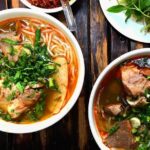
Kitchen God story and why it fits a food class
After you meet, you’ll hear about Kitchen God as part of the orientation. I like this because it reminds you that food in Vietnam is not only ingredients and technique. It’s also daily culture, rituals, and household life, even when you’re doing something as simple as meal prep.
You’ll also get that welcome drink before the cooking starts. It’s a small thing, but it helps you shift gears from street-food mode to classroom mode. You’re not just wandering around with a bag of fruit. You’re there to learn how to turn it into a meal, using vegetables and Vietnamese methods.
Shopping at Ben Thanh: learn what to buy, not just what to eat
In the morning session, you’ll go together with the chef into the market to see how Vietnamese market life works and to understand local ingredients. The goal is not to memorize stall names. The goal is to make you a smarter shopper.
Here’s what you’re likely to walk away with, based on how the class is described and the feedback people shared:
- You’ll get guidance on ingredient selection at the market, including produce like fruit.
- You’ll learn how different ingredients are used in cooking, not just that they exist.
- You’ll get context about where vendors supply items and how the market is organized by sections.
That matters because shopping is where most cooking classes fall apart back home. Without ingredient instincts, you end up substituting randomly or buying the “wrong” version of a vegetable or herb. With the market guidance, you’re building a reference point you can use later.
Back to the kitchen: how the chef teaches vegan and vegetarian technique
The class is led by a professional chef, and you participate in each step. This is one of the strongest parts of the experience. In one review, someone specifically praised Quy as a fantastic teacher, including how they were introduced to Vietnamese foods and how those ingredients show up in cooking. Then the group moved on to cooking at her house and sharing the meal.
That structure is what you want from a vegetarian course. Vegan and vegetarian cooking can sometimes feel like it’s just about weird meat substitutes. This course takes a different angle, focusing on vegetables and Vietnamese flavor building so you can make satisfying meals without leaning on imitation products.
They also mention that the class covers all basic cooking methods. That is important for you, because beginners often worry they won’t master enough to recreate dishes later. Even if you don’t remember every step word-for-word, you’ll come away with the technique framework: how Vietnamese cooking treats heat, seasoning, and texture when vegetables are the main event.
Choosing from daily menus: build your own set of dishes
During the cooking portion, there are various daily menus with different types of courses, and you get a choice depending on what’s available. That’s a practical benefit. If you’re a picky eater, you can usually steer toward what you like. If you’re a curious eater, you can choose more variety.
I also like that the course is framed as vegan and vegetarian, not a separate category. In practice, it means the meals are designed around vegetables from the start, so you’re learning how to make the most of them. You’re not just swapping out one ingredient. You’re learning the overall approach.
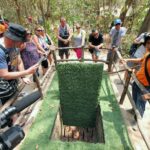


The feast: lunch or dinner you helped make
By the end, you sit down to feast on what you made. This is not a sad plate of “healthy lessons learned.” It’s the payoff: you get to taste the dishes while the cooking experience is still fresh in your mind.
The meal is lunch or dinner depending on your booking time. So if you’re trying to fit this into a day of sightseeing, you can match it to your schedule. Either way, the class ends back at the meeting point.
There’s also a social part to it. Since you cook together and then eat together, it’s naturally friendly. One review described the experience as a great activity, meeting at the market, cooking, and then sharing the meal. That kind of shared table is often what makes a cooking class feel memorable instead of merely instructional.
What you take home: manual recipes, certificate, souvenir gift
This is where the course becomes useful after your trip ends. You receive:
- manual recipes
- a certificate
- a souvenir gift
- cooking utensils during the class
The manual recipes are the big one for most people. Cooking classes often give you inspiration, but not enough structure to recreate the food at home. A recipe packet gives you a starting point and reduces the guesswork when you’re back in your own kitchen.
I also appreciate the certificate and souvenir gift because they reinforce that this isn’t a one-off street meal. It’s an organized experience with a clear learning outcome.
Value check: is $48.21 worth it for a 3-hour class?
At $48.21 per person for about 3 hours (approx.), the real question is what you’re getting. Here’s the value angle that matters:
- You get a chef-led cooking class, with you participating in each step.
- You get lunch or dinner, depending on timing.
- You get a market visit (morning only) and a welcome drink.
- You take home manual recipes, a certificate, and a souvenir gift.
- You receive cooking utensils for the class.
If you’re used to paying for a meal, the lunch or dinner part alone can take a big bite out of the cost. Add the instruction and the recipe take-home materials, and the price becomes easier to justify. Also, it’s priced as a private activity, meaning it’s just your group, not a big mixed crowd.
One practical note: private transportation is not included. That’s normal for many city-center activities, but you’ll want to plan how you’ll get to Ben Thanh Market and back.
Timing and sessions: morning vs afternoon vs evening
Here’s the simple rule to choose the right session:
- Morning session: includes the Ben Thanh Market visit. Best if you want shopping and ingredient selection time.
- Afternoon and evening sessions: no market visit, since fresh food stalls close at 12.00pm after Covid-19.
If you’re the type of traveler who enjoys market wandering with purpose, morning wins. If you’re already planning to shop markets on your own, afternoon or evening can still work because you’ll focus on the cooking and the meal.
The course uses a mobile ticket, and you’ll receive confirmation at booking time. It’s also described as near public transportation, which helps if you don’t want the hassle of pre-arranging private cars.
Who this course suits best
This experience is ideal if you:
- want vegan and vegetarian Vietnamese cooking that leans on vegetables, not substitutes
- like hands-on learning more than passive demonstrations
- enjoy markets and want to understand how ingredients are chosen
- want a structured meal you can repeat at home using manual recipes
It may not be ideal if:
- you specifically want a market visit but only have afternoon or evening free
- you’re looking for a full-day tour with long transit and multiple neighborhoods (this is about 3 hours, centered around Ben Thanh and the cooking kitchen)
- you want included transport from your hotel, since private transportation is not included
Should you book Mai Home’s Healthy Vegetarian Course?
I’d book it if your goal is to leave Ho Chi Minh City with practical skills, not just photos and a full stomach. The combination of Ben Thanh ingredient guidance, chef-led hands-on cooking, and a real meal at the end is a strong setup for learning. The take-home manual recipes plus certificate and souvenir gift also make it feel like you invested in something you can actually use.
If you’re the type who cares about produce quality, the market portion is especially worth it, and you should choose the morning session. If you prefer to skip market shopping and get straight to cooking and eating, the afternoon or evening slot still delivers the core experience.
Finally, since the class is a private tour with only your group participating, it can feel more comfortable and focused than crowded group experiences.
FAQ
Where does the cooking course start?
It starts at Ben Thanh Market, Ben Thanh, District 1, Ho Chi Minh City, Vietnam.
How long is the experience?
The duration is about 3 hours (approx.).
Is lunch included, or do I get dinner?
Lunch or dinner is included, depending on the booking time.
Do I get to visit Ben Thanh Market?
Yes, the market visit is included, but it only happens in the morning session. Afternoon and evening sessions do not include the market visit because fresh food stalls close at 12.00pm.
Is this a private tour?
Yes. It is a private tour or activity, so only your group participates.
What else do I receive besides the meal?
You receive a souvenir gift, a certificate, and manual recipes. Cooking utensils are also included for the class.
Is transportation included?
Private transportation is not included.
What ticket will I use?
You get a mobile ticket.
What is the cancellation policy?
Free cancellation is available. You can cancel up to 24 hours in advance for a full refund. If you cancel less than 24 hours before the start time, the amount paid will not be refunded.
When do I get confirmation after booking?
Confirmation will be received at the time of booking.
More Tour Reviews in Ho Chi Minh City
Not for you? Here's more nearby things to do in Ho Chi Minh City we have reviewed


Vegan & Vegetarian, compared.
 ★ 5.0Vegan Walk Not Just Vegan FoodFrom $39266 reviews
 ★ 5.0Private Vegan Food Tour By Scooter in Ho Chi Minh CityFrom $45207 reviews
★ 4.9Private Vegan Food Tour By Scooter in Ho Chi Minh CityFrom $4596 reviews
★ 5.0Private Vegan Food Tour By Scooter in Ho Chi Minh CityFrom $45207 reviews
★ 4.9Private Vegan Food Tour By Scooter in Ho Chi Minh CityFrom $4596 reviews
 ★ 5.0Saigon Vegetarian Tour by Motorbike and ScooterFrom $3978 reviews
 ★ 5.0Private Vegan Food Tour in Ho Chi Minh City By MotorbikeFrom $3870 reviews
 ★ 5.0The Coolest Vegan Food Tour by Motorbike in Ho Chi Minh CityFrom $3162 reviews
 ★ 5.0Saigon Vegan Food Tour by GirlPower Motorbike Riders | KissTourFrom $6526 reviews
 ★ 5.0Boat tour on Mekong river see the sunset, small canal, Vegan dinner, street foodFrom $2917 reviews
Browse the lists this tour appears in