
Reviewed · SAIGON WAR HISTORY TOURS
Ho Chi Minh City: Hidden Bunker & Vietnam War – Free Walking Tour
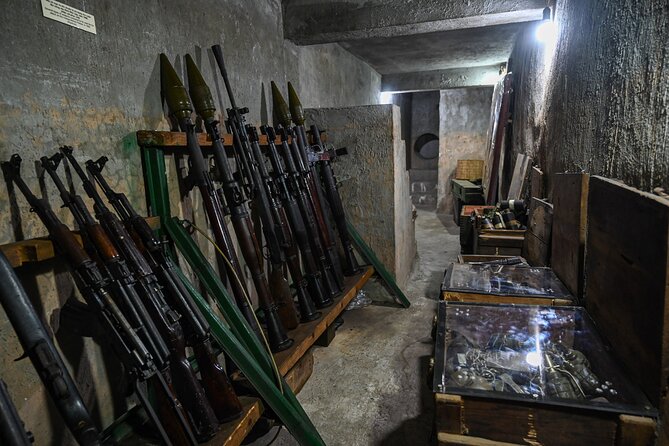
Saigon has stories in the ground. This small-group walk guides you from classic colonial sights to the Secret Weapons Cellar, a Vietnam War relic most people never find on their own.
What I especially liked is how fast you get your bearings, and how the guide turns big history into street-level detail.
I also like the tour’s home visit stop, where you hear what life during and after the war meant, shown through family photos and coffee. Add a visit to the Jade Emperor Pagoda, and you get faith and culture in the same afternoon, not just war themes.
If your goal is mostly photo stops, this mix might feel intense in places.
One thing to plan for: there are site admission fees for the bunker and the War Remnants Museum, listed at $2 per person, so bring small cash and keep a little extra budget.
Still, with a guide fluent in English and a route that packs a lot in 2 to 3 hours, it’s good value.
Key highlights to look for
- Secret Weapons Cellar time: About 20 minutes inside a lesser-known bunker stop
- A coffee-and-photos pause: A personal home stop that adds context you won’t get from guidebooks
- Thích Quảng Đức memorial: A moving Buddhist history stop tied to the conflict era
- French Archbishop’s Palace exterior: A quick look at one of Saigon’s oldest buildings
- War Remnants Museum focus: One full hour for the war’s human and military impact
- Tips-only guiding: You pay via a tip, with a tiny listing price and extra fees only at key sites
Price and logistics, the honest way
This tour is sold as effectively free, with a tips-only model. The platform price can look tiny (like $0.71 per person), but the real cost is what you choose to tip your guide, plus a couple of small on-site entry fees.
Here’s the practical math. The weapon bunker and the War Remnants Museum are listed with a $2 per person admission fee each. So budget for those two stops, especially if you’re traveling with more than one person. If you prefer paying everything upfront, this format takes a bit more mental tracking, but it also means you can keep the experience flexible.
Timing is 2 to 3 hours on foot, starting at a 7-Eleven on Tôn Thất Tùng, District 1, and finishing at Independence Palace. It’s described as near public transportation, so you should be able to get there without a private car. Also, there’s a mobile ticket, which usually makes last-minute entry easier.
Group size is the one detail to double-check when you book. The description emphasizes a guided group no larger than eight for intimacy, but the overall activity limit is also listed as up to 20. If you like conversations with your guide, ask what the actual group size looks like on your date.
You can also read our reviews of more walking tours in Ho Chi Minh City


Where the tour really shines: a walk with two Saigons
I like the way this route shows you two Saigons at once. First, you get the colonial quarter feel, with major downtown landmarks on the way. Second, you get the war layer, including spaces that were designed to hide and survive.
That mix is exactly why this tour is worth doing. You walk past buildings and then you step into the story behind the streets. Instead of treating history as a set of plaques, the guide connects each site to a bigger theme: power, belief, resistance, and what life looks like after.
You’ll also get Vietnam-specific cultural texture. The tour explicitly includes the Jade Emperor Pagoda, which balances the heavier war content from the War Remnants Museum. Even if you’re not a religion expert, a pagoda visit gives you a sense of how everyday spirituality shapes the city.
Stop 1: The Secret Weapons Cellar, why it hits different
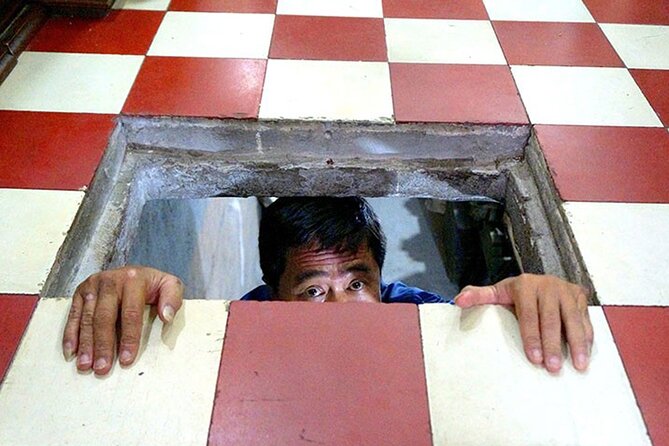
The opening stop is the Saigon Secret Weapons Bunker, also called the Secret Weapons Cellar. You spend about 20 minutes there, and it’s one of those places that doesn’t get the same attention as the big postcard buildings.
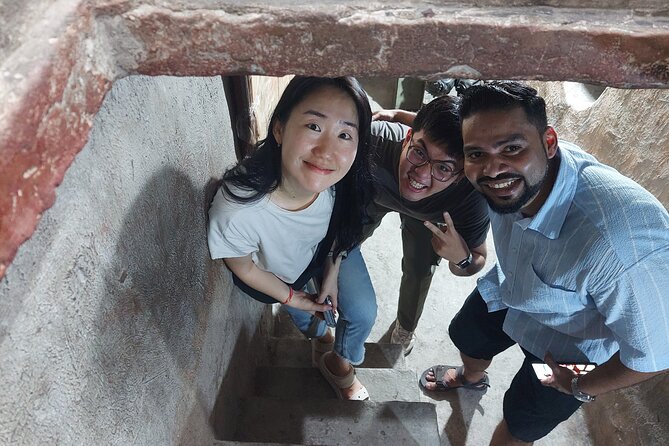
What I think makes this stop valuable is the perspective. Instead of only learning about the war from documents or photos, you see how people planned for the reality of air raids and danger. A bunker is physical. It limits light. It changes how you move. That alone helps the stories stick.
A practical note: the bunker is listed with an admission fee of $2 per person. If your Vietnamese dong budget is tight, bring a bit extra money in advance. This is one of those small charges that can slow you down if you’re short.
Stop 2: Meeting your guide’s family through coffee and photos
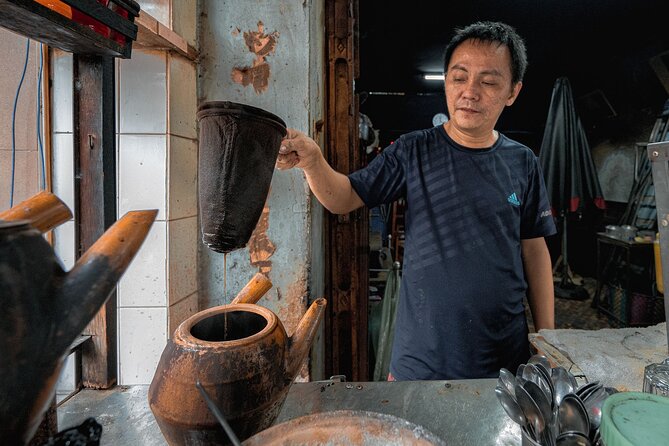
Next comes a stop that sounds simple but usually becomes the emotional center of the tour: a visit to your guide’s family area, presented as the home of the Vietnam tourist guide. The plan is around 20 minutes, and it’s listed as admission free.
This is where the tour does something most walking tours skip. It slows down. You sit together in a living room setting, and you see family photos on the wall while the guide shares firsthand context. Even when you know the basic timeline of the Vietnam War, hearing how it affected a specific family makes the history feel less abstract.
It also helps you understand how Saigon works today. People remember what mattered to them, not what fit neatly into textbooks. And when you meet your guide this way, you’re more likely to ask better questions as you keep walking.
One more real-world detail I appreciated: the guide I had, Joseph, went out of his way to help us with logistics when we arrived from a cruise port, including arranging transfers. He also offered assistance with money so we could enjoy an iced coconut coffee when we arrived short on dong. That kind of practical kindness matters on a day that mixes walking, museum time, and paid entry.
Stop 3: The Thích Quảng Đức memorial and the power of a single story
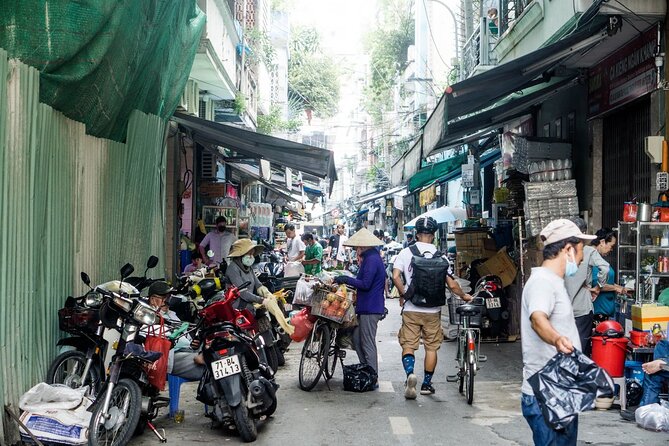
The Thích Quảng Đức Monument stop is another about 20 minutes and is listed as admission free. It’s a tribute to the Buddhist monk who self-immolated in protest against the Vietnam War.
This is one of those stops where the guide’s framing really matters. Without context, it could become just another memorial photo. With context, it becomes a window into how belief, politics, and conscience collided during that era.
If you tend to get a bit overwhelmed by war-related sites, take a slow breath here. You can quietly watch the space, read what you can, and let the guide’s explanation do the work. The memorial is designed to make you feel the moral weight of the action.
You can also read our reviews of more city tours in Ho Chi Minh City





Stop 4: Tòa Tổng Giám Mục Sài Gòn, a fast look at an old French-era presence
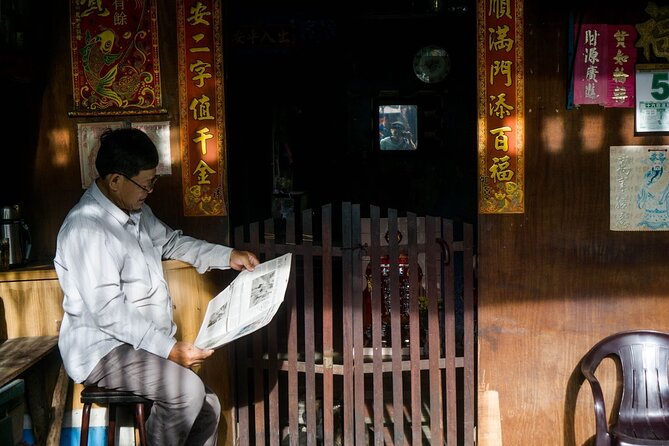
From there, the tour heads to Tòa Tổng Giám Mục Sài Gòn, located in the French Archbishop’s Palace. The stop is around 10 minutes, admission free.
This building is described as Saigon’s oldest building, with a tiled chapel built in 1790 for Lord Nguyen Anh, 12 years before he became Emperor Gia Long. Even if you don’t read every plaque, the structure gives you something concrete: you’re looking at the layers of time where different eras left physical marks.
The short visit works for two reasons. One, you’re moving along a walking itinerary, and two, the exterior view helps you compare architectural styles later when you see other colonial-era landmarks. It’s quick, but it sets up what you’ll notice next.
Stop 5: War Remnants Museum, plan your priorities for a one-hour visit

The War Remnants Museum is the centerpiece for the darker theme. Your time here is listed as about 1 hour, and the admission fee is listed as $2 per person.
With only one hour, you should think like a smart museum visitor. Don’t try to read everything. Instead, follow the guide’s suggested path and focus on the human impact sections, especially where photos and artifacts are shown together. This museum can be emotionally heavy, but one hour is enough if you treat it like a guided highlight route rather than a full self-paced marathon.
What I value here is that the museum doesn’t just show weapons. It shows consequences. It connects the war to civilian life and to what it left behind, so when you step back outside, the city feels different. The streets become a continuation of what you just learned.
If you’re bringing someone who finds war content hard to process, tell the guide at the start. A good guide can point you toward the parts that match your comfort level without breaking the flow.
Stop 6 and 7: Lê Quý Đôn High School and Independence Palace

After the museum, the tour keeps moving with two more time-efficient stops.
Lê Quý Đôn High School is listed as about 10 minutes, admission free. It’s described as the first French colonial school in Saigon, set up during the French occupation, and as a symbol of early blending between Vietnamese and French culture. Even in a short visit, you can use it as an anchor point. Education is often where cultural change becomes structural, not just decorative.
Then you finish at the Independence Palace. Your time there is listed as about 10 minutes and admission is not included. The palace is described as the presidential home and command center, and now a symbol of reunification in 1975, with preserved rooms and a rooftop helipad.
Because your time is short, focus on the big rooms and the overall layout. The guide can help you connect how decisions were made during the war era to what the site represents today. It’s the type of ending that brings the timeline to closure without pretending the past is simple.
The downtown colonial route: Opera, post office, basilica, and reunification vibe
Along the walk, the tour highlights major downtown landmarks in what’s often called the colonial and post-colonial quarter. The tour explicitly includes sights such as:
- Saigon Opera House
- People’s Committee Building
- Central Post Office
- Saigon Notre-Dame Basilica
- Reunification Palace
Even if you already plan to see some of these places on your own, doing them as part of this war-and-faith themed route changes the way you look. Architecture becomes a clue. Who built what, who controlled what, and what styles survived tells you something about how Saigon absorbed power across time.
A practical tip: wear shoes you can walk in comfortably for the full 2 to 3 hours. The mix of museums and outdoor stops means you’ll be in sun and shade. If you’re sensitive to heat, bring a small bottle of water and take your cues from your guide when they suggest a faster or slower pace.
Jade Emperor Pagoda, where culture balances the war stops
The tour includes a visit to the Jade Emperor Pagoda, and I like where it sits emotionally in the itinerary. After time inside a war museum, walking into a place of worship can feel like a reset, even if you aren’t religious.
You’re not just ticking off a site name. You’re seeing how Saigon’s spiritual traditions are practiced in daily life. Even a brief stop can give you a different lens on the city, where the past is present, but it’s not only about conflict.
If you plan to visit temples in Vietnam generally, dress modestly and be ready for rules about covering shoulders or behaving respectfully. The tour guide can usually point you in the right direction in the moment.
Who this tour fits best
This is a great choice if you want:
- A short, efficient introduction to downtown Saigon plus the Vietnam War context
- An emphasis on the less obvious sites, like the bunker and memorial stop
- A guide who explains and helps you connect buildings to real events
- A tour structure that feels intimate and conversation-friendly
It’s less ideal if you only want light sightseeing. This walk includes war content that can be heavy, and it’s not shy about meaning. If you prefer pure architecture and markets with no emotional weight, you might want a different itinerary.
Should you book this Hidden Bunker and Vietnam War tour?
Yes, I’d book it if you want the fastest way to understand Saigon as a city shaped by colonial architecture, Buddhist faith, and the Vietnam War. The biggest reasons are the format and the guide quality, especially the combination of the Secret Weapons Cellar stop and the personal home visit.
Book it with a simple plan: bring a bit of cash for the $2 fees at the bunker and War Remnants Museum, wear comfortable shoes, and be ready for a meaningful afternoon. If you like learning through stories, not just photos, this one delivers.
If you want a question answered before you commit, ask about the actual group size on your date, since the tour is described as intimate but also lists a higher overall cap. That small detail can make a big difference in how much you talk with your guide.
FAQ
How long is the Ho Chi Minh City Hidden Bunker and Vietnam War walking tour?
The tour lasts about 2 to 3 hours.
Is this tour really free?
It operates on a tips-only basis. The activity is listed at $0.71 per person, but your main payment is the tip you choose to give your local guide.
Are there admission fees during the tour?
Yes. The weapon bunker and the War Remnants Museum have an admission fee listed at $2 per person.
Where does the tour start and end?
It starts at 7-Eleven at 23 Tôn Thất Tùng, Phường Phạm Ngũ Lão, Quận 1, Ho Chi Minh City, and ends at Independence Palace near Ben Thanh, District 1.
How big are the groups?
The tour description says the guided group is capped at no larger than eight, and the activity listing also notes a maximum of 20 travelers. It is worth confirming the likely group size for your date.
Is there a vegetarian option?
Yes. A vegetarian option is available if you advise at booking.
More Walking Tours in Ho Chi Minh City



More Tours in Ho Chi Minh City


More Tour Reviews in Ho Chi Minh City
Not for you? Here's more nearby things to do in Ho Chi Minh City we have reviewed







Saigon War History Tours, compared.
 ★ 5.0Adventure Cu Chi Tunnels: Vietnam War Underground Network AM/PMFrom $132,726 reviews
 ★ 5.0Cu Chi Tunnels Half-Day Tour: Vietnam War Underground NetworkFrom $232,587 reviews
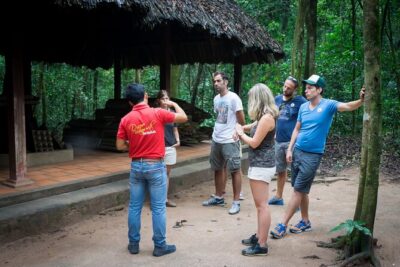 ★ 5.0Cu Chi Tunnels Half-Day Tour: Big Group Vietnam War ExperienceFrom $192,386 reviews
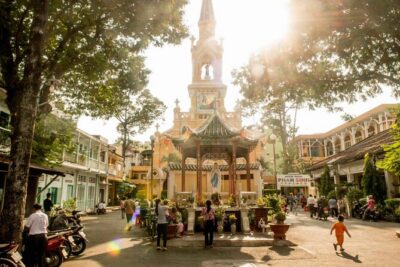 ★ 4.5War Remnants Museum – Ho Chi Minh City Half Day ToursFrom $3988 reviews
 ★ 5.0Cu Chi Ben Duoc Tunnel & War Museum – Original, Less TouristyFrom $2780 reviews
 ★ 5.0Cần Giờ Eco-Tour with Monkeys, Crocs & War HistoryFrom $3259 reviews
 ★ 5.0Cu Chi Tunnels by Jeep The Ultimate Off-Road War History TourFrom $9925 reviews
 ★ 5.0Cu Chi Tunnels Guided Tour – Explore Vietnam War HistoryFrom $238 reviews
Browse the lists this tour appears in