
Reviewed · SAIGON MOTORBIKE & SCOOTER TOURS
Saigon Morning Excursion by Scooter
Saigon wakes up differently from a scooter seat. This 4-hour private morning ride from Ho Chi Minh City’s core takes you into the lanes most people never reach, with stops tied to real stories like Thich Quang Duc’s 1963 protest. I especially loved the local pace and the included Vietnamese coffee and lunch breaks, paced so you can actually talk with your guide instead of just rushing by. One consideration: you’re on the back of a motorbike for most of the morning, so you’ll want to feel comfortable with traffic noise and sitting steady.
Pickup is offered from your hotel, and you’ll get an open-faced helmet plus a rain coat if needed, which helps a lot if weather shifts. The tour uses an English-speaking guide team and a mobile ticket, so you’re not left guessing where to stand or when to go.
Key Highlights That Make This Morning Tour Worth It
- District 3 history stop tied to Thich Quang Duc and the 1963 Buddhist protest
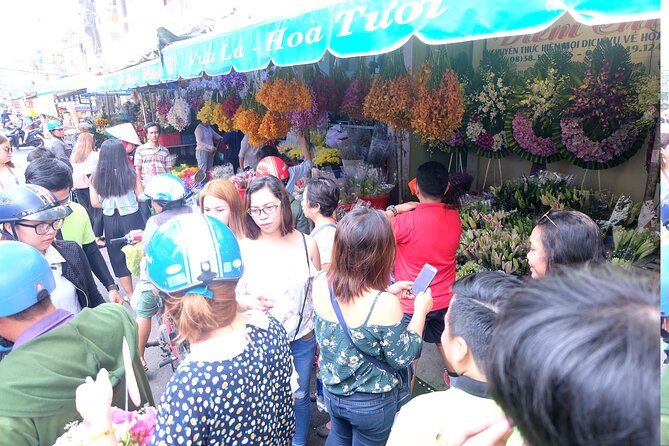
- District 10 flower market with hundreds of flower types tied to Mekong Delta supply
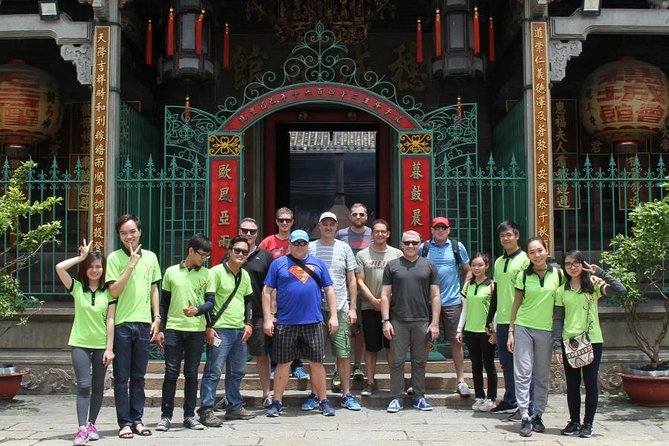
- Thien Hau Temple (1760), Lady of the Sea, with materials brought from China by boat
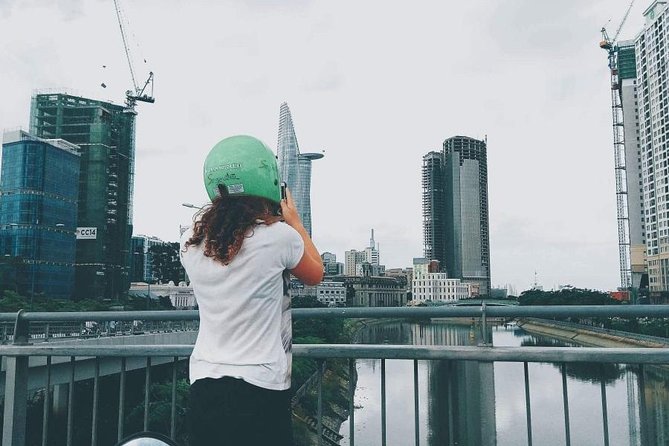
- Riverside contrasts between stilt houses and high buildings as you cross the bridge
- Floating-market coconut and a chance to chat with people living on boats
Why a Scooter Morning Feels Like the Real Saigon
If you’ve only seen Saigon from a sidewalk, you’ve missed half the city. On a scooter, you feel the rhythm of daily life, the quick turns into alleys, the way markets spill onto corners, and the constant motion that makes the place feel alive.
This is also a smart time window. Starting around 8:00 AM helps you catch morning energy before the hottest part of the day. Plus, the tour structure is built around short stops where you can look, listen, and ask questions, not just ride past things at speed.
The value is the combination: transportation, a guided route, and a meal plus drinks, all wrapped into a single 4-hour morning plan. For many visitors, that’s the difference between seeing a few famous spots and understanding how districts connect through food, worship, and commerce.
More Saigon tours, river trips, tunnel visits, and city experiences to compare


The 8:00 AM Pickup and What You Will Actually Do
Your day starts with an English-speaking driver team picking you up at your hotel or a specified location around 8:00 AM. From there, the plan is mostly riding, with several timed stops for photos, food, and context.
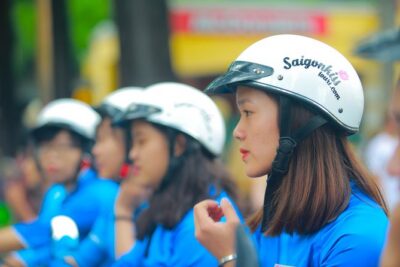
You’ll get practical gear: a high-quality open-faced helmet and a rain coat if you need one. That matters because Saigon weather can be unpredictable, and you’ll be happier having something to handle a sudden shower rather than improvising.
This is a private tour/activity, meaning your group stays together. That changes the feel immediately. If you want your guide to slow down at a specific market corner or ask one more question about what you’re seeing, you can.
District 3 First, Then the Story Behind Thich Quang Duc
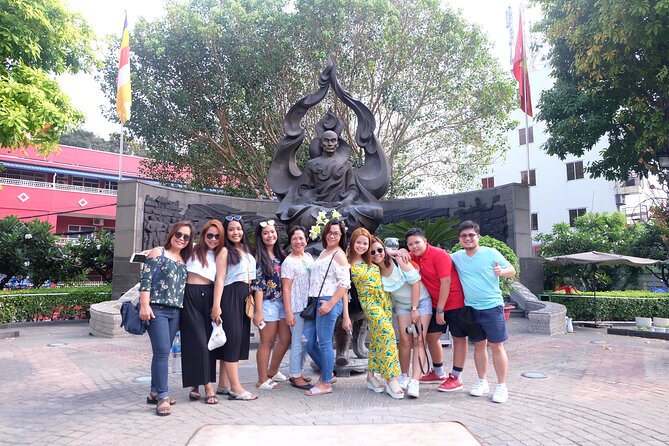
The tour’s first big cultural stop centers on the Thich Quang Duc story. You’ll drive to District 3 and make a short stop at a corner associated with the protest in 1963, when Thich Quang Duc burned himself in response to persecution of Buddhism by the South Vietnam government.
Why this stop works: it gives you a human story that Saigon still carries in its public memory. Even if you’re not a history buff, it helps you notice how the city remembers religion, politics, and community struggle in physical space. It’s the kind of context that turns a statue or landmark from a photo into something you understand.
Practical tip: if you want photos, stand where your guide tells you. Scooter lanes in Ho Chi Minh City can be tight, and you’ll have a safer, smoother stop if you follow the guide’s timing.
Wet Market Lanes and Binh Tay Market Wholesale Energy
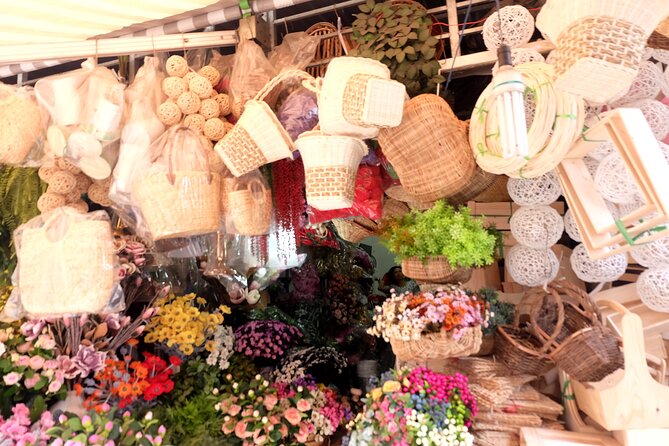
After the history stop, the route moves into market world. The tour includes time at a famous local wet market, then continues through alleys toward larger market activity.
One stop you should pay attention to is Binh Tay market, described as the biggest wholesale market. Wholesale markets can feel intimidating from the outside because the scale is bigger than a typical tourist street market. But that’s exactly why it’s valuable. You see goods moving into the city, not just finished items on display.
What you’ll get here is sensory information: how vendors organize, how goods are grouped, and how the pace of buying and selling works before the mid-day rush. It’s not just shopping. It’s a system.
If you’re sensitive to crowds or smell, pace yourself. This is one of those parts of the morning where taking photos is easy, but staying calm is a skill. A good guide can help you choose where to stand and when to move.
District 10 Flower Market, Mekong Delta Supply, and Color Logic
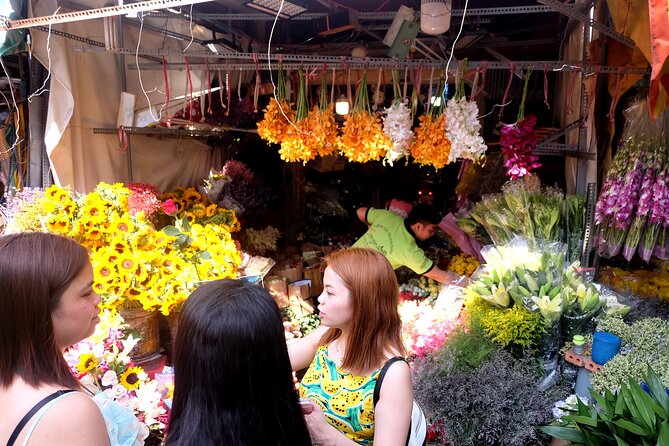
The highlight for many people is the biggest flower market in District 10. The tour route is built to get you there after you’ve already warmed up with smaller market streets. By the time you reach the flower market, you’re ready to appreciate how much variety is involved.
The key detail: the flowers are supplied from Sadec city in the Mekong Delta. That matters because it explains why the market can look endless. You’re not just seeing local blooms. You’re seeing a supply chain that reaches far beyond Ho Chi Minh City.
When you walk through, look for patterns. Flower stalls often organize by type and use. You’ll also notice how certain flowers are popular for offerings, weddings, or daily decoration. If your guide points things out, don’t rush. This is the one stop where slowing down pays off with understanding.
More Saigon tours, river trips, tunnel visits, and city experiences to compare


Coffee Stop: How Vietnamese Coffee Gets Made
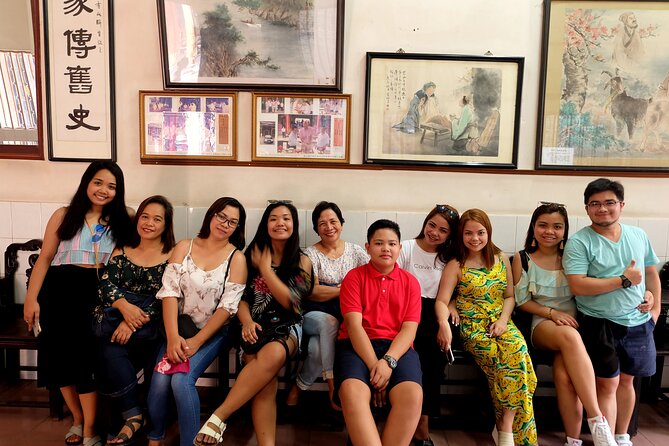
Next comes one of the simplest pleasures in the city: Vietnamese coffee. You’ll stop at a local coffee shop to either learn how Vietnamese coffee is made or at least enjoy it with tea and jam.
This kind of stop is more than a caffeine break. It’s a way to slow the tour rhythm. Your guide can explain what you’re tasting and why the flavor is different from drip coffee you might be used to. And sitting for a bit matters on a scooter tour because it gives your body time to reset.
What I like most about this coffee stop on a motorbike excursion is that it’s integrated. You don’t feel like you’re being shipped to a random cafe for a generic photo. The coffee becomes part of the morning’s story about everyday life.
Thien Hau Temple (1760): Lady of the Sea in District 5
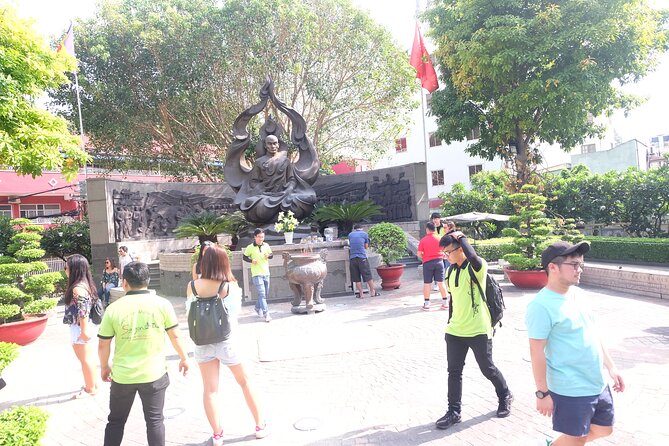
From District 10, the route continues toward Thien Hau Temple in District 5. This temple is associated with the Lady of the Sea and is about 300 years old, with construction dated to 1760.
A standout detail you should remember: all materials were imported from China by boat. That piece explains why Thien Hau worship connects strongly to Chinese communities, including what people often call Chinatown in Saigon.
Why this stop is more than sightseeing: it connects seafaring culture to local identity. Even if you’ve never lived near the sea, the idea makes sense in a port city like Ho Chi Minh City. Your guide can help you read the temple atmosphere as something living, not staged.
If you visit respectfully, take a moment to notice the offerings and how people move through the space. That observation alone helps you understand what visitors miss when they only treat temples as photo backdrops.
Chinatown Streets: Medicine Street, Ornamental Fish, and Lantern Market Mood
As you move through the areas around District 5, you’ll also pass or stop near places tied to specific trading cultures. The tour mentions street specialties like ornamental fish and Medicine Street.
You may also see elements linked to the Cambodian and Chinese traditional medicine and lantern market theme. Even if you don’t buy anything, this is where your brain starts mapping the city by function, not just by location. Some streets sell healing. Some streets sell celebration. Some streets sell food. It’s a practical way to understand what people need in daily life.
A small caution: markets and specialty streets are visually intense. If you’re overwhelmed by options, tell your guide. A good guide can help you focus on what’s typical versus what’s just a tourist-facing variation.
Riding the Bridge Views: Stilt Houses vs High Buildings
One of the more memorable scenic moments comes after you’re out near District 5 and moving toward District 8. The tour includes a bridge crossing that offers a contrast view between stilt houses along the riverside and high buildings.
This isn’t just a view for photos. It’s a snapshot of inequality, change, and survival strategies in the same city. Standing (or riding) in the right spot helps you understand how the river shapes housing and livelihoods.
If you care about how cities grow, this is one of the easiest places to connect the dots. You see where development is rising and where older river life continues, side by side.
“Second Singapore” and District 4 Street-Food Focus
Later in the morning, the tour shifts into what’s described as the second Singapore, an area that used to be the poorest district in Saigon. The point of this portion is interpretation, not just geography.
From there, you’ll ride toward a local riverside coffee shop for lunch in a cooler atmosphere. Lunch is included, and the setting matters. Food works better when you’re not rushing and when your brain has a chance to reset between neighborhoods.
Then you explore District 4, described as the smallest and most famous district for street food. District 4 is the kind of place where you learn more by watching than by eating. You’ll see how people order, how stalls are arranged, and how the neighborhood keeps feeding itself.
If you’re unsure what to try, ask your guide what locals eat there. On a scooter tour, your guide’s suggestions can save you from common mistakes like choosing something too heavy after riding all morning.
Floating Market Coconut: Meeting People Who Live on Boats
After lunch, the tour heads to the floating market. The highlight here is fresh coconut, plus time to chat with locals who live on boats year-round.
This is one of the best “you are here, not just passing through” moments on the whole tour. When you sit with people who treat the river as a home and a workplace, you start to understand why products from the Mekong Delta matter so much. The tour specifically notes that many boats dock with goods from the Mekong Delta.
Practical tip: floating market conditions can vary by water level and boat traffic. Keep your movements slow and follow your guide. If you’re offered something like coconut, take it. It’s part of the experience, not a gimmick.
And yes, you’re buying your understanding with a simple drink. That’s the theme of this tour, lots of small, meaningful moments instead of one big staged attraction.
The Return Ride Through Riverside Eating Alleys
On the way back to your hotel, the route includes driving through eating alleys on a unique island surrounded by the Saigon River.
This part works as a closing chapter. You get to see how immigrants from different regions settled and lived together, and you can spot the food culture that keeps running long after the morning sun.
If you enjoy street food but also enjoy having context, don’t treat this as just a drive-by. Look at the signs and how vendors set up. Your guide can help you connect what you’re seeing to earlier stops in the morning.
By the time you end the tour, it feels like you’ve walked through a chain of neighborhoods that make sense together, not a random checklist of sites.
Price and Value: What $26 Buys You Here
At $26.00 per person for about 4 hours, this tour is priced like a budget-friendly way to cover real ground with real guidance.
What makes it good value is the bundle:
- Private transportation for the morning
- A helmet and rain coat
- An English-speaking guide team
- A meal plus drinks
- Accident insurance
If you tried to recreate this on your own, you’d spend on transport, navigation, and paying for local interpretation. Here, you’re paying mainly for organized routing and someone to explain what you’re seeing while you’re on the scooter.
Also, the included coffee and lunch breaks reduce decision fatigue. You don’t need to figure out where to eat or whether the place is convenient. That’s worth something, especially in a city where time and logistics can pile up fast.
Who This Tour Suits Best
This scooter morning excursion is a strong fit if you:
- Want to see multiple districts in a short time without dealing with messy public transit
- Prefer local context over only landmark photos
- Enjoy markets, street food, and temple visits with explanation
- Are comfortable riding on the back of a scooter for the majority of the tour
It’s less ideal if you:
- Get motion sick easily
- Have trouble sitting still for long stretches
- Prefer a strictly walking-focused itinerary
A sensible sweet spot is travelers who like food, neighborhoods, and stories, and who want their morning in Ho Chi Minh City to feel like daily life, not a museum loop.
Should You Book the Saigon Morning Excursion by Scooter?
I’d book it if you want a practical way to understand Saigon in just half a day. The schedule is built around meaningful anchors: Thich Quang Duc’s story, Thien Hau Temple, major markets, and a floating market coconut moment. Add in the included coffee, lunch, and drinks, and the $26 price feels like a straightforward deal for what you get.
If your top priority is quiet sightseeing with minimal motion, you might prefer a slower format. But if you’re the type who likes to watch how people actually live, this scooter tour gives you that quickly, with a guide team that keeps the morning readable and connected.
Just be honest with yourself about comfort on a motorbike and your willingness to stand in lively market areas. If that part is fine, you should walk away feeling you saw the city the way it’s meant to be experienced.
FAQ
What time does the Saigon Morning Excursion by Scooter start?
The tour starts at 8:00 AM.
How long is the tour?
It runs for about 4 hours.
How much does it cost?
The price is $26.00 per person.
Is pickup included?
Yes, pickup is offered from your hotel or a specified place.
Does the tour include food and drinks?
Yes. It includes 1 meal and 2 drinks, plus 1 eating stop and 2 kinds of drink.
What scooter safety items are provided?
You get a high-quality open-faced helmet and a rain coat if needed.
Is this a private tour?
Yes. It is private, so only your group participates.
What insurance is included?
Accident insurance is included.
Are there any child age rules?
Children under 5 must stay with their parent during the tour.
What about cancellations?
You can cancel for a full refund up to 24 hours before the experience’s start time.
More Scooter Rentals in Ho Chi Minh City


More Tours in Ho Chi Minh City





More Tour Reviews in Ho Chi Minh City
Not for you? Here's more nearby things to do in Ho Chi Minh City we have reviewed


Saigon Motorbike & Scooter Tours, compared.
 ★ 5.0Ho Chi Minh City Street Food Tour & Sightseeing By MotorbikeFrom $289,413 reviews
 ★ 5.0Saigon By Night and Street Food By Motorbike | Opt: Ao Dai RidersFrom $374,066 reviews
 ★ 5.0Private Street Food Tour by Motorbike/Car with Local StudentsFrom $453,950 reviews
 ★ 5.0Top Notch Street Food Motorbike Tour In Ho Chi Minh CityFrom $292,667 reviews
 ★ 5.0Private Street Food Motorbike Tour in Ho Chi Minh CityFrom $552,180 reviews
 ★ 5.0Ho Chi Minh City Motorbike Tour with Student | Saigon AdventureFrom $231,697 reviews
 ★ 5.0Afternoon Saigon Unseen Adventure by Scooter |Opt: Ao Dai RidersFrom $251,282 reviews
 ★ 5.0Ho Chi Minh Night Tour by Motorbikes with Female Rider | KissTourFrom $391,187 reviews
Browse the lists this tour appears in