Reviewed · SAIGON
Saigon Then & Now: A Bygone Cyclo Adventure
Pedal power gives you instant street access. This Saigon Then and Now tour strings together big-name sights and working local markets, letting you see how the city looks, sells, prays, and eats. You’ll travel by cyclo, the classic pedal-powered pedicab, and the route is built for easy photo stops plus a real food break.
I love the pairing of standout architecture and tightly planned short stops, especially at the Central Post Office and Reunification Palace. I also like the guide element, with Luc and Cici specifically standing out for clear history and smooth pacing, including answering questions and keeping things friendly for different ages.
One consideration: the day runs about 4 hours and packs in a lot of market time, so it moves fast. If you prefer to linger in one place, you might wish for a slower rhythm at some of the shopping stops.
Quick Takeaways
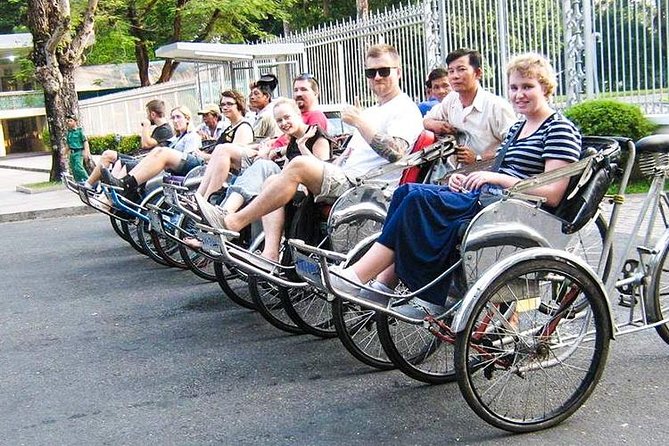
- Cyclo for each person keeps the ride feeling personal, not stuck in a group shuffle
- French-era icons plus wartime context gives you a clearer view of what shaped the city
- Market hopping without planning saves you from guesswork, especially around District 5 and Cholon
- Included pho at Pho 24 turns lunch into a done deal, not a scramble
- Guides Luc or Cici get praise for history that actually makes sense and a warm, helpful vibe
Saigon by Cyclo, from Opera House to Main Sights
This tour starts near the Saigon Opera House area, and you’ll be set up for an old-school way to get around. The cyclo experience matters here because it changes your pace. You’re not stuck in a bus window, and you’re not forcing the city to fit your schedule. Instead, you glide through streets, stop where it makes sense, then move on.
The best part is that the ride supports the theme. Saigon has layers, and the tour is built to show them in order, with quick hits at major landmarks, then a shift into daily life at markets and temples. Even if you only have a half-day, you leave with a stronger sense of geography and mood.
Pickup is offered, which helps a lot in a city where you can easily waste time sorting transport. You also get a mobile ticket, so you’re not scrambling for paper.
You can also read our reviews of more tours and experiences in Ho Chi Minh City.



Central Post Office and Reunification Palace: Seeing the City’s Big Story
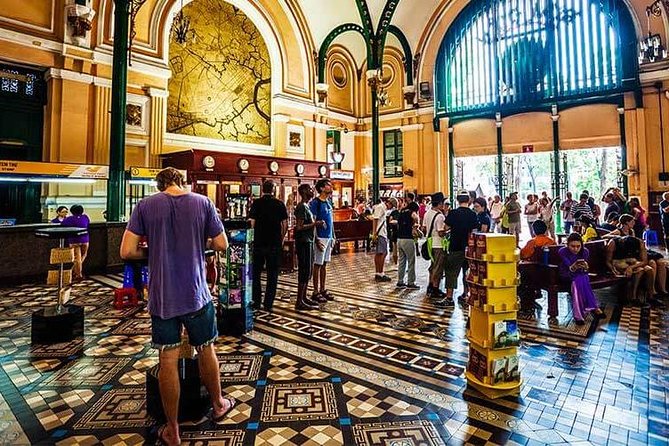
You get a first “wow” moment at the Saigon Central Post Office. It’s famous for its French colonial and Gothic-style look, and it also works as a simple orientation point. Even if you don’t spend long there, the building gives you a visual anchor for the era that shaped the city center.
Then you move to the Reunification Palace, also known as Independence Palace. This is the kind of place where the building itself helps explain the history. It’s a powerful stop because you’re not just looking at a monument, you’re seeing how architecture and political change showed up in one specific setting. The included admission ticket makes it easier to take the time to look properly, instead of doing the outside-only thing.
These two stops also share a practical benefit. They’re iconic, easy to photograph, and they give you context before you start wandering through the everyday side of Saigon. That contrast is the whole point of the Then and Now idea.
War Remnants Museum and Notre Dame Cathedral Area: Context Without Confusion
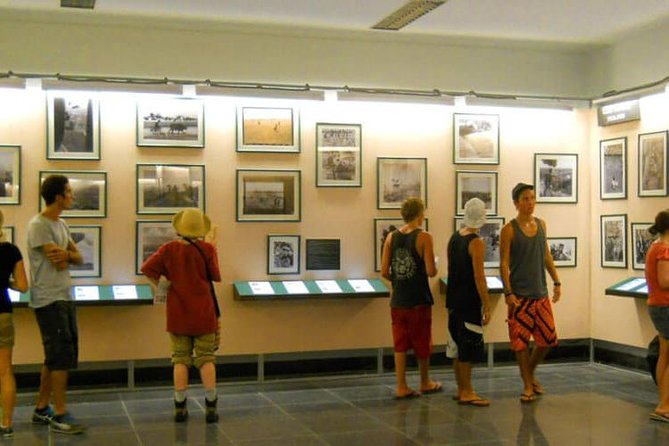
The tour includes time tied to the Vietnam War through the War Remnants Museum. If you’re trying to understand modern Saigon, this is one of the best places to make sense of it. The museum gives you historical references you can carry with you, especially as you later pass through markets, temples, and neighborhoods where everyday life continues in full view.
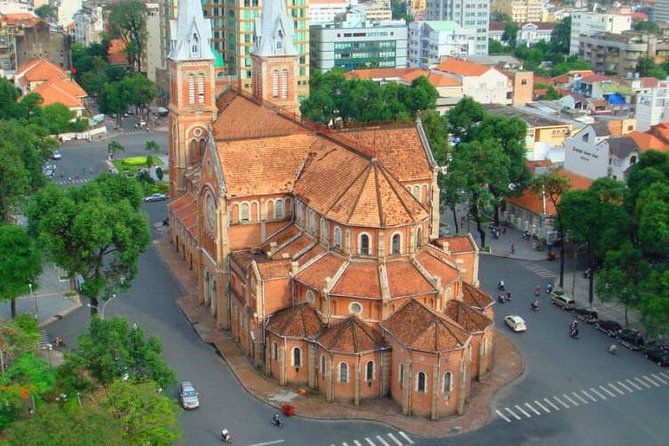
You also see Notre Dame Cathedral and the General Post Office area as part of the French colonial sightseeing stretch. Even if you’re not a hardcore architecture person, it helps to spot these landmarks early. Once you’ve seen them, you’ll recognize the colonial footprint across the central parts of town much more easily.
If you’re short on time, this is the balanced approach: you get enough context to understand why certain places matter, without turning the whole tour into a museum marathon.
Dai Viet Lacquerware Craft Stop: Art You Can Actually Look At
Midway through the sightseeing run, you visit a lacquerware workshop and gallery. You’ll spend around 30 minutes here, and the format is straightforward: you’re given time to see the craft and learn the basic story of how Vietnamese lacquer artwork is made and sold.
What makes this stop valuable is that it breaks up the “big sights then markets” pattern. It slows the day just enough that you can focus. When you come out, the city’s markets start to feel different. You start noticing how many products are handcrafted, how design travels from workshops to storefronts, and how local art shows up in objects you can actually bring home.
Keep your expectations realistic. This is not a long artisan workshop class with take-home practice. It’s more of a gallery-style look with included entry time. Still, it’s a nice change of pace.
Ho Thi Ky Flower Market and the District 10 Morning Beat

Next up is the Ho Thi Ky Flower Market, one of the city’s major flower hubs. You get a short stop of about 10 minutes, which is just enough to take in the scale and snap photos of color and texture.
The market’s rhythm is part of the experience. Flower markets often run best early in the day, and here you can feel that schedule-driven energy. Don’t plan on deep shopping in such a short time, but do plan on using the stop to understand what flows through Saigon every day. Flowers are a small detail that quietly says a lot about culture, celebrations, and daily life.
If you’re sensitive to strong smells, you might want to keep your expectations flexible. Flower markets can be fragrant, and you’ll be right in the middle of it.



Market Circuit Around Electronics, Motorbike Parts, and Fabric
After the flower stop, the tour leans hard into the city’s practical shopping world. You’ll pass through or visit major market areas, including the Nhat Tao Electronics Market, the Tan Motorbike Spare Parts Market, and the Soai Kinh Lam Fabric Market. In the mix, you’ll also visit Binh Tay Market in Cholon.
Here’s why this section works so well: it turns Saigon into something you can navigate mentally. You learn how locals shop by category. You see how specialized some areas are, and you start understanding why certain streets feel dedicated to one product type.
A quick guide to what to look for at each stop:
- Nhat Tao Electronics Market: rows of components and spare parts. Even if you’re not buying, it’s interesting to see how repair culture stays visible.
- Tan Motorbike Spare Parts Market: motorcycle accessories and parts, showing how central motorbike life is to the city’s movement.
- Soai Kinh Lam Fabric Market: textiles and clothing materials, which helps explain how fashion and tailoring stay deeply connected to local trade.
- Binh Tay Market (Cholon): a historic marketplace with a distinct character, and a big visual step away from the city center vibe.
The tour also includes photo stops for other well-known markets along the way, such as the dog market, clothes market, chicken market, fish market, and fruit market. These are quick and focused, so you’re not stuck staring too long at anything you’d rather skip. Use these stops to build your mental map.
Pho 24 Lunch Stop: Included Comfort Food at 158D Pasteur
After all the walking and visual input, you get a real break: pho at Pho 24 (158D Pasteur). This is 45 minutes, and it’s a big value point because the meal is included, along with bottled water.
Pho is a smart choice in a tour format. It’s easy to eat, it warms you up, and it resets your energy without making you search for a restaurant. You’ll likely be able to order and eat without turning lunch into a major decision process.
Practical note: pho is hot. Plan to let it cool slightly before you take the first serious sip, especially if you’re sensitive to heat.
Ba Thien Hau Temple in District 5: Faith, Community, and Quiet Contrast
The final major cultural stop is Ba Thien Hau Temple in District 5, dedicated to the sea goddess Mazu. You’ll spend about 30 minutes here, which is enough time to look around without feeling rushed.
This stop gives you a different kind of perspective than the markets. Markets are about trade and exchange. The temple is about ritual, community, and respect for long-standing beliefs. You’ll notice people moving at their own pace, and that contrast helps the tour feel less like sightseeing checklists and more like a day watching real life.
You also get a cultural connection through the tour’s framing as the Holy Lady tradition. Even if you don’t know the details beforehand, the visit helps you understand why this kind of temple matters to locals, not just tourists.
Price and Value: What You Get for About $74
At $74.11 per person, this tour may feel like a “mid price” option, but the value is tied to what’s included. You’re paying for:
- English-speaking guide
- One cyclo per person (this is not just a transfer, it’s part of the experience)
- Entrance fees
- Bottled water
- Pho noodle soup
When a tour includes transport, guide time, admissions, and a full meal, the math gets simpler. You’re less likely to hit surprise costs from tickets or from hunting for a place to eat after you’ve already walked a lot.
You can also get group discounts, which makes it even more sensible if you’re traveling with friends or family.
My advice: compare not just the headline price, but the included rhythm. If you want a packed but guided circuit, this is one of the more practical ways to do it in limited time.
Who Should Book This Cyclo “Then and Now” Tour?
This tour is a good fit if you:
- want a guided way to see central landmarks and major market areas in a single run
- like the idea of a cyclo ride for street-level views
- want history presented in a clear, human way by a guide such as Luc or Cici
- prefer having food included rather than deciding where to eat mid-day
It may not be your best choice if you hate busy schedules or you need long time windows in one place. Since the day is structured with many stops, you’ll get samples, not extended stays.
Should You Book the Saigon Then and Now Cyclo Tour?
If you want a half-day that gives you both structure and street-level texture, I’d book it. The cyclo transport, included admissions, and the pho break turn it into a plug-and-play introduction to Ho Chi Minh City. And the guide factor is real, with Luc and Cici praised for friendly, professional history explanations and thoughtful help.
If you already know Saigon well and you prefer slow, deep time in fewer spots, you might feel rushed. For first-timers, though, this is one of the most efficient ways to get your bearings and understand what the city is built on.
FAQ
How long is the Saigon Then and Now cyclo tour?
It runs for about 4 hours.
Is pickup available, and where is the meeting point?
Pickup is offered. The listed start point is the Saigon Opera House area at 07 Công trường Lam Sơn, Bến Nghé, Quận 1, Hồ Chí Minh, Vietnam. The tour ends back at the meeting point.
What’s included in the price?
The price includes bottled water, pho noodle soup, an English-speaking tour guide, one cyclo or Richshow for each person, and entrance fees.
Are group discounts offered?
Yes, group discounts are listed as part of the experience.
Do I need to pay for tips or gratuities?
Tips and gratuities are not included, so you should plan for that.
Is free cancellation available?
Yes. You can cancel for a full refund up to 24 hours in advance.