Reviewed · SAIGON
Saigoncholon
Cholon has a way of waking up fast. A 3 to 4 hour Saigon Cholon discovery tour puts you right into the real Chinatown rhythm, from Binh Tay Market to the prayer spaces at Nghia An Temple. I especially liked the chance to see how locals trade and worship, not just pose for photos. The main drawback to consider is that one booking reported a guide no-show, so it pays to confirm your timing and stay in touch the day before.
I went into this expecting “tour highlights,” then got something more personal: the local guide, Minh (Tony), is a Taiwanese-Chinese born and raised in Cholon. He studied and lived in Australia for 5 years, but he’s still deeply tied to the district through family roots and his work with local experts to show the Chinese-Vietnamese identity with pride. The tour is also kept small, with a maximum of 4 travelers, which makes it easier to ask questions and adjust pace.
At $29.75 per person, I think this is good value if you want structure plus local food stops, because the tour includes coffee or tea, a breakfast Chinese-style noodle, bottled water, and an air-conditioned vehicle. Just know you are responsible for extra snacks and meals beyond what’s included.
Key highlights to expect
- Binh Tay Market as the Chinatown symbol, where you can sample cheap snacks and see daily trading
- Soai Kinh Lam market for fabric and silk, showing how Chinese-Vietnamese commerce works with locals and the world
- Ba Thien Hau Temple with a comparison between a more local feel and what you see in more tourist-facing temples
- Nghia An Temple plus a “hidden place” reveal after the visit, and a look at praying and blessing rituals
- Khu ăn uống chợ Thủ Đô for local street food and market-food culture in a short, focused stop
- Small group of up to 4 for a more personal walking pace and easier Q and A
Getting Your Bearings in Cholon from Ben Thanh Market
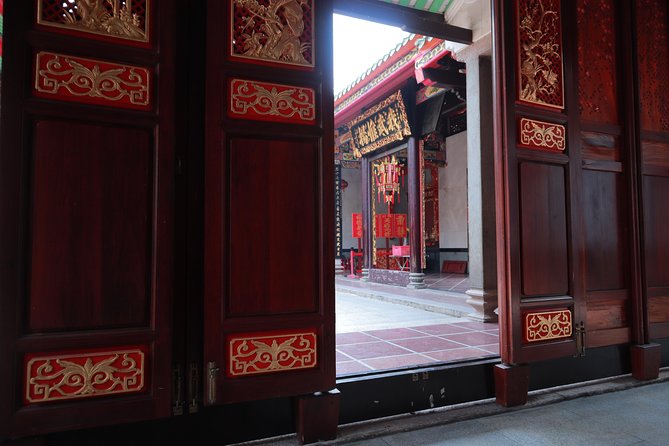
The tour starts at Ben Thanh Market in District 1, and it ends back there. If you’re staying in central Ho Chi Minh City, this is an easy starting point because it’s near public transportation, so you can reach it without a complicated route.
You’ll also ride in an air-conditioned vehicle, with pickup offered. That matters in Ho Chi Minh City, because the walking parts of Cholon can heat up quickly. You’ll appreciate having transport for the gaps between markets and temples, especially when you’re on a tight 3 to 4 hour schedule.
One thing I like about the small group size is how it changes the vibe. With a maximum of 4 travelers, Minh can ask what you’re most curious about, then steer the timing and emphasis so you do not just speed-walk from one photo stop to the next. And since Minh is local to Cholon, you’re not getting generic commentary. You’re getting context tied to the neighborhood.
You can also read our reviews of more tours and experiences in Ho Chi Minh City.



Binh Tay Market: Chinatown Trade in One Loud, Practical Stop
Your first major stop is Binh Tay Market, described as the symbol of Chinatown. It’s said to have been built by a very wealthy Chinese businessman, and that “built by money” backstory is a big clue to how the market functions: it’s not only about sightseeing, it’s about trade.
You get around 30 minutes here, with admission included. This is the stop where you can shop for cheap snacks and eat your way through a window on local life. What I find useful is that the tour doesn’t treat Binh Tay as a single street corner. Instead, it frames the market as a working system, so you can understand how people buy, sell, and move goods day to day.
A practical tip: go with the mindset of grazing. The stop is short, so you do not need to commit to a huge meal here. If you want to stretch your time, choose one or two snacks you’ve never tried before and spend the rest of the time watching how vendors work.
Drawback to keep in mind: markets move fast. If you are hoping for a slow, museum-style experience, this specific stop may feel brief. You’ll get more value if you’re comfortable walking and making quick choices.
Soai Kinh Lam Fabric and Silk Market Watch: How Clothes Move Here
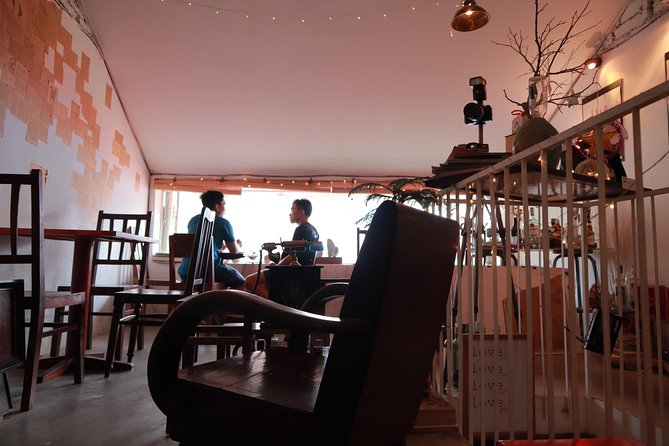
Next comes Soai Kinh Lam fabric market, positioned as the biggest fabric and silk materials market. This is a different side of Chinatown than the food-and-snacks focus. Instead of what people eat, you’re looking at what people wear, trade, and commission.
You’ll spend about 30 minutes here, again with free admission on the tour. The key thing to notice is the “local to world” connection. The tour is set up to help you see fabric trading activities between locals and international-facing commerce, which is a real part of how Cholon became such a commercial hub.
If you’re the kind of traveler who likes textures, this is a fun stop. Even if you do not plan to buy fabric, you’ll still get value by seeing the range of materials and how bargaining and selection work in a working market.
Consideration: fabric markets can be overwhelming because they are visual, crowded, and noisy. If you get tired quickly in dense shopping streets, keep your goals simple. Focus on observing one or two things, like how sellers present swatches or how customers compare options.
Ba Thien Hau Temple: Seeing a More Local Sacred Space
After markets, you shift into temple time with Ba Thien Hau Temple. This stop is framed as a look and comparison between a pure local temple feel versus a more touristy style you might see elsewhere.
You’ll have about 30 minutes here, with admission free. I like this framing because it gives you a way to observe without overthinking. You’re not only there to check boxes like architecture and photos. You’re learning how the same type of faith space can feel different depending on how it’s used by locals versus how it’s presented to visitors.
A respectful approach goes a long way here. Temples are where people go to pray and handle daily devotion. Keep your voice down, watch what others are doing, and let the guide handle the “what it means” parts so you do not accidentally step into someone’s sacred moment.
Potential drawback: since this is only 30 minutes, you won’t get a long, quiet sit-down. It’s more of a purposeful look, then movement onward.
Nghia An Temple and the Hidden Place Reveal After Praying
Then comes the longest temple stop: Nghia An Temple, at about 1 hour. This is the part of the tour that sounds most intimate and hands-on, because the tour includes the chance to learn about local praying culture in a more local setting.
What’s especially specific here is the mention of interacting with God’s figure. The tour notes that you will experience the touch on God’s figure, and also learn about how people pray for luck and get blessed. That’s not an activity that feels “optional sightseeing.” It’s a cultural moment tied to the way locals understand fortune, protection, and daily hopes.
There’s also a twist: the hidden place is shown after the visit. So you do not see everything immediately. The pacing is intentional. You’ll walk through the main area first, then the guide reveals the extra spot afterward.
For many travelers, this is where the tour feels most authentic. Markets are busy and temples are active in different ways. Here, you get the sense that Cholon is still lived in, not staged.
Practical consideration: ritual-focused visits can require extra attention. Keep your hands to yourself unless the guide specifically invites interaction. If you prefer watching rather than participating, you can still appreciate what’s happening by observing with care.


Chợ Thủ Đô Street Food at Khu ăn uống chợ Thủ Đô
After temples, the tour returns to food culture at Khu ăn uống chợ Thủ Đô. You’ll have around 30 minutes here, with admission free as part of the tour.
This stop is described as a “pure local market” where you see food trading between locals. Then you also get the point most people care about: you’ll enjoy various delicious and safe street foods.
I like this sequence because it prevents “temple fatigue.” You’re not stuck in one kind of experience for the whole morning. You get markets, then sacred spaces, then food again. It feels like Cholon has multiple languages, and you’re hearing them in a smart order.
Practical tip: since extra foods are not covered in the tour, you’ll probably want to budget a little for snacks beyond what you pick as included. If you’re careful, you can keep spending under control by selecting one or two “must try” items and then just enjoy the atmosphere.
What’s Included for $29.75: Coffee, Noodles, Water, and a Cooler Ride
Let’s talk value, because $29.75 can either feel cheap or too much, depending on what you get.
Here, you get more than a basic walking tour. Included items are:
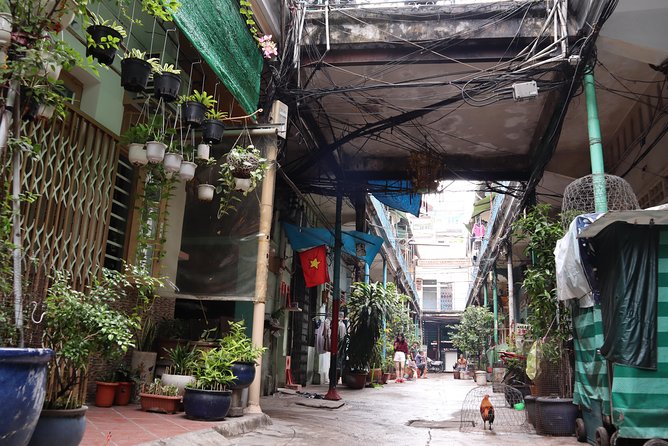
- Special Vietnamese Chinese-style noodle breakfast served in the alley
- Coffee and/or tea
- One bottled water per person
- An air-conditioned vehicle
- Pickup offered
- Mobile ticket
You also have free admission for the listed stops. In other words, you are paying for guide time plus transport plus a planned food and culture route, not for a long list of paid attractions.
For me, the best “value piece” is the breakfast noodle. It’s early, it’s local, and it helps you start the day like a neighborhood person rather than a late-arriving sightseer. The coffee or tea also matters, because it makes the morning feel smoother.
What’s not included is equally important. Extra foods, water, and snacks are not covered. So if you love sampling everything at markets, you will spend extra. If you prefer to taste a few things and keep moving, the included items should carry you well.
One more practical note: the tour requires good weather. If weather is bad, you should expect the tour provider to offer a different date or a refund, based on the rules listed for weather cancellations.
Who This Tour Fits Best, and Who Might Want a Different Style
This tour suits you best if you:
- Want a short, structured way to understand Cholon Chinatown
- Like markets but also want temple context
- Care about Chinese-Vietnamese identity and local business culture
- Prefer a small group of up to 4 for more personal guidance
It may not be ideal if you want a “deep research” style tour with slow pacing and lots of downtime. This is a 3 to 4 hour discovery route, and several stops are around 30 minutes. You’ll cover a lot, but you won’t linger for long.
Also, based on one report, there’s a real-world risk of service problems like a no-show. That doesn’t mean it happens often, but it is a useful reminder. Before you leave, confirm your meeting details and keep your message ready in case anything changes.
Should You Book Saigoncholon’s Saigon Cholon Chinatown Discovery?
I’d book this if you want an efficient, local-feeling walk that mixes markets, temples, and street food with a guide who is personally tied to Cholon through Minh. The included breakfast noodle, coffee or tea, and air-conditioned transport make the value feel solid for $29.75.
Skip it or approach with caution if you are the type who hates uncertainty. One past booking mentioned frustration after a guide no-show, so build in a little buffer and double-check your pickup timing. If you like food, shopping streets, and respectful temple stops, this is a strong way to see Cholon without trying to figure it all out on your own.
FAQ
Where does the tour start?
The tour starts at Ben Thanh Market in District 1, Ho Chi Minh City, Vietnam.
How long is the Saigon Cholon discovery tour?
It lasts about 3 to 4 hours.
What is included in the price?
The tour includes coffee and/or tea, a special Vietnamese Chinese-style noodle breakfast, bottled water (1 per person), and an air-conditioned vehicle.
Is pickup offered?
Yes, pickup is offered, and the tour ends back at the meeting point.
Do I need to pay admission fees at the stops?
The information provided says admission is free for the listed stops, including Binh Tay Market, Soai Kinh Lam fabric market, and the temple and food-market locations.
Can I cancel and get a refund?
Yes, free cancellation is available up to 24 hours in advance for a full refund.