
Reviewed · PHOTOGRAPHY SESSIONS
The River’s Edge Photo Tour
Shoot the Saigon river at first light. This River’s Edge Photo Tour turns a 4-hour morning walk in Ho Chi Minh City into a guided photo story, with coaching on composition for architecture, people, and cityscapes, plus tips for pacing images like a narrative. I like the photo composition feedback you can apply fast and the authentic riverside scenes that feel real, not staged. The one drawback is the early 5:30 am start, which can be tough if you do not do mornings well.
You’ll move with a professional photographer guide in a small group capped at 6, so the session stays hands-on instead of lecture-y. Guides I’ve seen mentioned for this experience include photographers like William and Paul Green, and the common thread is practical critique and encouragement, including how to approach people for portraits even when language is limited.
This is also a weather-dependent shoot. The tour specifically notes that it needs good weather, so if skies are poor, you may be offered another date or a full refund, depending on what happens.
Key highlights you’ll actually feel during the shoot
- District 7 canal scenes with working tugboats and everyday river labor
- Floating village portraits from rickety houseboats, anchored along the route
- Saigon skyline views over the river to balance street-level stories
- Traditional market light that helps you frame people without overthinking it
- Real-time photo coaching focused on settings, composition, and pacing your narrative
Why a 5:30 am District 7 shoot works (even if you are not a morning person)
Early light changes everything in photography. A 5:30 am start means the river and streets are brighter in the right way, with softer contrast than the midday glare that flattens faces and textures. You also get the kind of calm that lets people look up and engage, because you are not competing with peak daytime crowds.
District 7 is a smart choice for this kind of tour. You’re not just hunting pretty buildings. You’re working with real river life: boats moving goods, people living close to the water, and everyday routines near temples and markets. That mix is what makes the “photo story” approach click, because you can build a sequence from work to portrait to skyline.
The only thing to watch is your energy level. If you treat vacations like a sleep-in contest, this tour might feel like a chore. If you can handle an early start, you’ll likely love how quickly your photos improve once you’re shooting with a plan instead of random snapshots.
You can also read our reviews of more photography tours in Ho Chi Minh City

Meeting a pro photographer guide in a group of up to 6
A maximum group size of 6 is not just a nice-to-have. It affects the entire experience. Smaller groups mean the guide can actually look at what you are doing, give specific feedback, and help you adjust on the spot. That matters for beginners, but it also helps intermediate shooters who know the basics and want targeted improvements.
The guide is a professional photographer, and the learning is structured around practical outcomes. You’re not only taking pictures, you’re also learning how to compose for different subjects, how to use different settings, and how to create and pace a narrative with images. In plain terms, you’ll be shooting with intention and then getting prompts that help you make your next frame better.
From the feedback shared about this tour, one of the strongest points is how guides handle people. Paul Green and William are both mentioned for helping participants take stronger portraits and street-style images, including by suggesting ways to approach subjects respectfully even when Vietnamese is not part of the conversation. That skill is gold in places where you want authenticity but also want to avoid being awkward.
Stop in District 7 by canal: tugboats, coconuts, and working river life
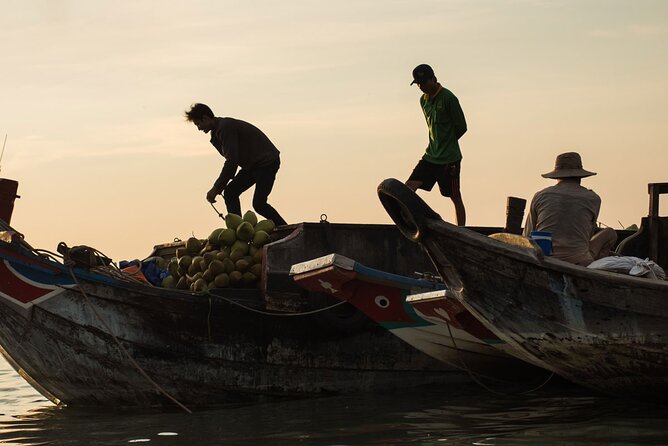
You start with a canal-side wander in District 7. This is where the tour earns its name. Instead of focusing on tourist landmarks, it centers on the working river edges where daily commerce and movement create natural scenes.
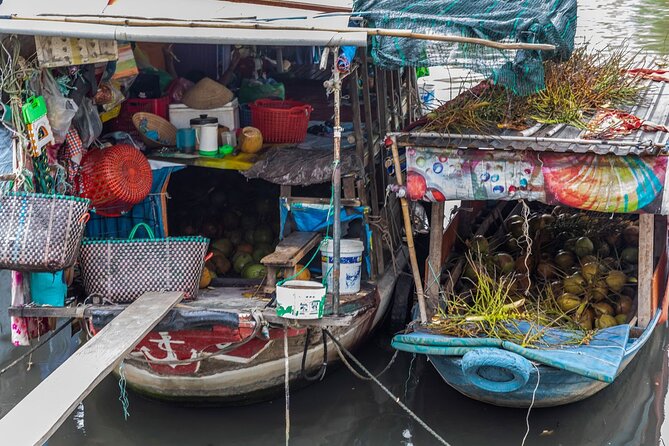
One of the most specific and memorable elements is the tugboats arriving with coconuts and other goods from the Mekong. Those arrivals create a steady flow of action, so you’re not waiting forever for something interesting to happen. For photography, that’s huge. It gives you subjects in motion, textures on boats, and a sense of scale when you include the canal banks and people nearby.
You’ll also get to photograph the classic Saigon riverside look: boats, cargo, working rhythms, and the bridge between city and water. For your own shooting, the key advantage is variety within one area. You can capture:
- Wide frames showing the environment
- Mid shots that include boat and people
- Closer details like hands, nets, fruit, and rigging
A small caution. This is a working area, so you should expect a degree of busyness and practical movement. Give yourself time to step back and compose calmly, rather than trying to get everything by standing too close. The guide can help you position for better angles without disrupting people’s routines.
Buddhist temple moments and how to frame them without making it stiff
As the route continues, you pass a Buddhist temple. For a photo tour, temples are tricky. You want respect, good angles, and images that feel natural, not staged.
This stop is valuable because it changes the rhythm of your storytelling. After the visual energy of boats and goods, a temple adds stillness and symbolism. Even if you are photographing architecture or details, the guide’s coaching on composition can help you avoid the usual problems, like shooting from the wrong height or cropping off meaningful parts.
In practical terms, think of this as a “pause” in your photo sequence. You can use it to photograph:
- Architectural lines, gates, and signage
- People in quiet moments
- Details that show craftsmanship or use
The tour’s general emphasis on composition and settings becomes especially useful here. Temples can have mixed lighting, with bright exteriors and darker interior spaces nearby. If your settings are already tuned for the canal light, the guide can help you adjust so your temple shots do not end up too dark or washed out.
Floating village houseboats: portraits, chat, and real texture
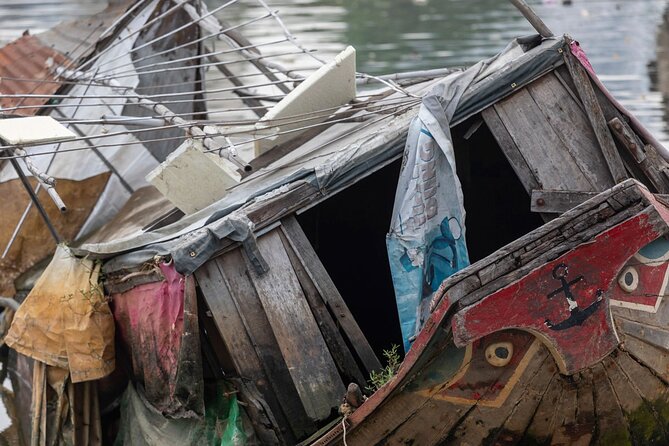
The floating village section is the heart of what makes this tour feel authentic. You walk along an area where rickety houseboats are anchored along the path. That means you’re close to the environment, not watching it from across the water.
You’ll often see owners come out for a chat. That matters, because it turns “photographing a place” into “photographing people.” And because the tour includes portrait opportunities, you can build frames that have expressions, context, and connection, not just scenery.
This is where the guide’s human approach shows up. In past experiences, Paul Green was praised for helping participants approach people even without speaking Vietnamese. That kind of guidance helps you get portraits with less awkwardness, and it can also help you understand when to ask for a photo and when to wait.
For the best results, treat this like a conversation, not a shoot. You’ll get better portraits if you:
- Let people settle into the moment
- Use shorter bursts and then take a breath
- Try both close portraits and wider “life on the water” frames
One more advantage: the floating village gives you unusual angles. The boat edges, water reflections, and elevated platforms create composition options that you do not get in typical city walks. If you are trying to make a photo narrative, this segment naturally becomes a “character” in your story, because it is both home and stage.




Skyline over the river, then market light for people photography
After floating village scenes, you finish with a dramatic view of Saigon’s 21st-century skyline over the river. This is a smart contrast. It pulls your story from everyday life into a wider context, reminding you that this is a modern city built around historic waterways.
Photographically, skyline shots are not only about “getting the skyline in.” You want a strong relationship between foreground and background. The river edge gives you that link. If you frame boats or railings in the foreground, you can make your images feel layered and intentional.
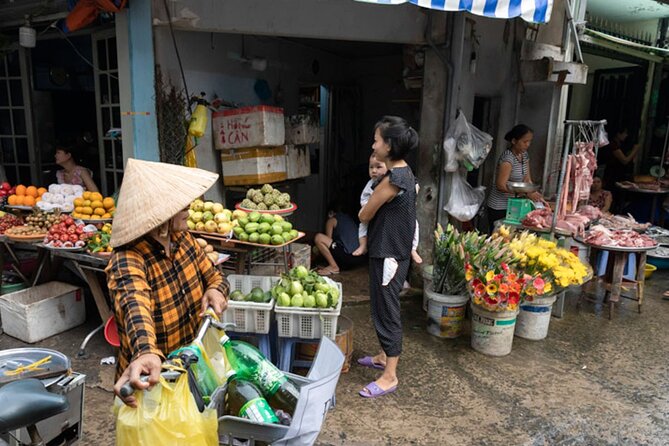
Then you walk through a traditional market. Markets are basically the perfect setting for learning people photography, because you’re surrounded by human activity and small details all at once. The tour notes that the market offers beautiful light for people photography, which tells you something important: you’re not stuck shooting in harsh shadow.
In the market, your narrative benefits from variety. You can capture faces, hands, and small interactions. Even if you are not a “street photographer,” this is where you can get comfortable shooting without feeling like you are hunting.
A drawback to keep in mind. Markets can be crowded and moving fast. If you are prone to frustration when things get hectic, go slowly early in the market. Get your settings settled first, then work the angles. The guide’s pacing and composition prompts can save you from rushing and missing better light moments.
The coaching part: composition, settings, and pacing your photo story
This tour is not just a route with good photos. It is built around how to look and how to sequence what you shoot.
You’ll practice:
- Composition tips for different types of picture, including architecture and people
- Use of various settings, which helps you respond to changing light between canal, temple areas, and market interiors or shaded spots
- Creating and pacing a narrative with images, so your final selection feels like a story, not a folder of unrelated shots
I like this approach because it gives you a repeatable method. After the tour, you should have a clearer idea of how to plan a shot list mentally. Instead of thinking only about what looks cool, you learn how to build an arc: work and movement, pause and culture, portrait and intimacy, context with the skyline, then everyday life in the market.
If you are newer to photography, this structure can feel like training wheels. The guide helps you focus on what matters at each stage. If you are more experienced, it still helps because you get targeted prompts you might not think to try, like reframing the same subject with a different composition strategy.
And based on the feedback tied to guides like William and Paul Green, the feedback is described as helpful for improving photos quickly. That’s exactly what you want from a half-day workshop format. You’re not spending hours reading about photography. You’re shooting, adjusting, and learning in real time.
Price and value: is $119 fair for 4 hours and a photo pro?
$119 per person for an approximately 4-hour photo walk in a small group may sound like a lot until you break down what you get. You’re paying for a professional photographer guide plus structured teaching, and you’re getting access to places and people that you might not easily find on your own at that hour.
What pushes the value up:
- Small group size (max 6), so you get more direct feedback
- Professional photographer guide, not just a casual walking buddy
- Practical coaching on composition, settings, and storytelling, which can save you hours of trial and error
- Pickup offered (for many guests, that is a real cost and stress saver)
- Admission ticket free, so you are not paying extra once you arrive
What might make you pause:
- The tour is only 4 hours. If you are expecting a full day or want a lot of time for optional detours, this might feel tight.
- You need good weather for it to run as planned, and the tour notes you might get a different date or a full refund if it gets canceled due to poor weather.
For the right person, $119 can be a smart investment. If you are traveling and you want high quality images without spending days figuring out angles, this format is a good deal. If photography is more of a casual hobby for you and you do not enjoy feedback, you may get less out of it.
Who this tour fits best in Ho Chi Minh City
This experience is ideal if you:
- Want to learn photography techniques while traveling, not just take pictures
- Like photographing people with context, such as portraits and everyday work scenes
- Enjoy street-level realism, including working river life and markets
- Appreciate guided access to neighborhoods like District 7 where you might not naturally wander at sunrise
It can also work for intermediate shooters who know their camera but want composition help and faster decision-making. The narrative pacing component is useful for anyone trying to put together a coherent set of photos from a trip.
If you hate early starts, or if you are the type who needs a slow, unstructured pace, you might find the early morning schedule and the moving route less comfortable.
Practical tips for your camera bag and your expectations
You do not need to overpack. You do need to be ready. Here are practical ways to prepare, based on what the tour emphasizes.
- Bring any camera you are comfortable with and the lens or lenses you normally shoot with. You’ll be moving from wide canal scenes to tighter portraits and then back to skyline and market scenes.
- Charge batteries and bring a spare if you can. Half-day shoots use energy fast, especially when you are taking sequences to work on pacing.
- Dress for morning walking by the river. Early light often means cooler air, and the route includes walking through areas with different levels and surfaces.
- Be ready for interaction. The tour includes situations where owners come out to chat and you get portrait chances. If you are shy, rely on the guide’s approach, especially if you do not speak Vietnamese.
Most importantly, go with a mindset of trying multiple frames, not getting one perfect shot. The coaching is built around helping you make better choices quickly.
Should you book River’s Edge Photo Tour?
I’d book it if you want a guided way to turn Ho Chi Minh City’s river edge into a coherent photo story. The strongest reasons are the combination of authentic working river scenes, floating village portrait opportunities, and real coaching on composition, settings, and pacing. The small group limit also gives you a better chance to get feedback that actually changes your photos.
Skip it only if you cannot handle the early 5:30 am start, or if you prefer photography without guidance or without people interaction. Also remember it depends on good weather, so plan a little flexibility in your schedule.
If you are open to learning, and you want more than generic sightseeing photos, this is a solid value at $119 for a half-day with a pro.
FAQ
What time does the River’s Edge Photo Tour start?
The tour starts at 5:30 am.
How long is the tour?
The duration is approximately 4 hours.
Is pickup available?
Pickup is offered.
How many people are in each group?
The tour has a maximum of 6 travelers.
What places and subjects will we photograph?
You’ll focus on District 7 river life, including a canal-side wander with working boats, a Buddhist temple area, a floating village with anchored houseboats, a traditional market, and a view of Saigon’s skyline over the river. The tour also covers architecture, people photography, and cityscapes.
Does the tour require good weather?
Yes. The experience requires good weather. If it is canceled due to poor weather, you will be offered a different date or a full refund.
Can I cancel and get a full refund?
Yes. You can cancel for a full refund up to 24 hours in advance of the experience start time. If you cancel less than 24 hours before, the amount paid will not be refunded.
More Photography Tours in Ho Chi Minh City
More Tours in Ho Chi Minh City
More Tour Reviews in Ho Chi Minh City
Not for you? Here's more nearby things to do in Ho Chi Minh City we have reviewed


Photography Sessions, compared.
 ★ 5.0Private Sunrise Photography Tour – Down in ChinatownFrom $8959 reviews
 ★ 5.0Saigon Street Photography ExperienceFrom $7356 reviews
 ★ 5.0Private Photography Tour & Ho Chi Minh City Exploration By LocalFrom $8025 reviews
 ★ 5.0Photography Tour with Professional Photographer in Ho Chi MinhFrom $7013 reviews
 ★ 5.0Private Sunset Photography Tour – Travel through history and timeFrom $8913 reviews
 ★ 5.0Saigon Railway Village Photo TourFrom $11910 reviews
 ★ 5.0Sundown in the Colony Photo TourFrom $1198 reviews
Browse the lists this tour appears in