
Reviewed · VUNG TAU & LONG TAN TOURS FROM SAIGON
Long Tan Battlefield Day Tour – “Lest We Forget”
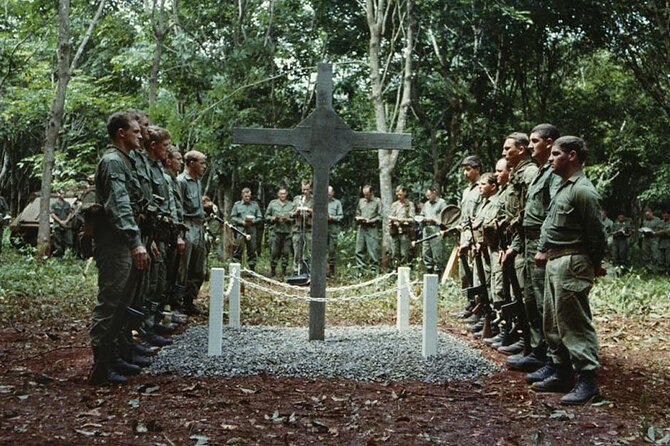
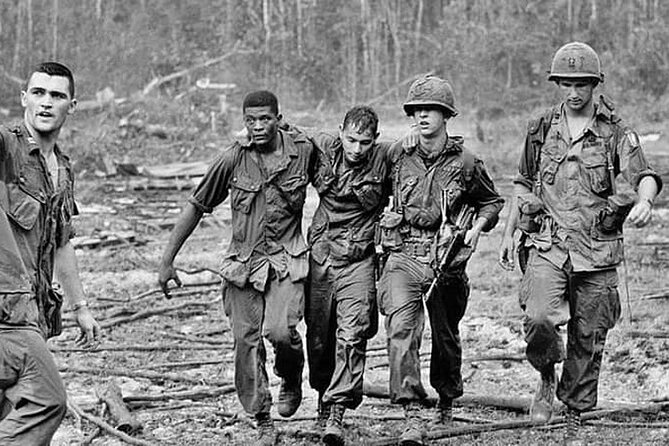
Long Tan hits you before the history even starts. This day trip from Ho Chi Minh City takes you to the 1966 Long Tan Battlefield, where Australian and New Zealand soldiers fought the Viet Cong. I like how hotel pickup and an air-conditioned vehicle handle the early start, so you can focus on the story instead of logistics.
What really stayed with me is the mix of quiet memorial stops and the way the guide connects the landscape to what happened there. Expect memorial-focused visits more than a classic war museum, so the day may feel less like sightseeing relics and more like reflection in specific locations tied to the battle.
Key points
- 8 am departure with hotel pickup so you avoid the hassle of figuring out transport on your own
- Air-conditioned vehicle plus bottled water for comfort on a full morning and afternoon
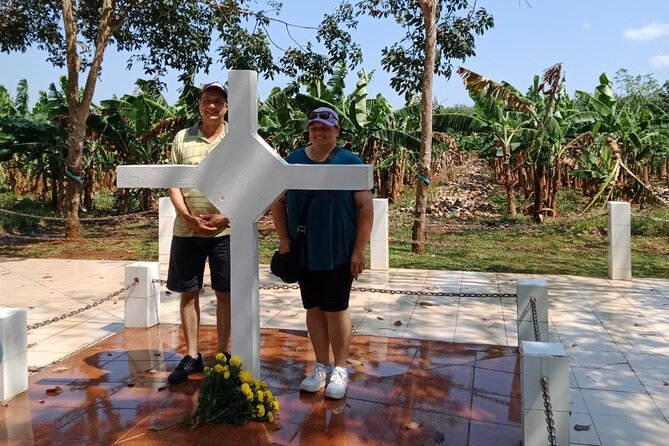
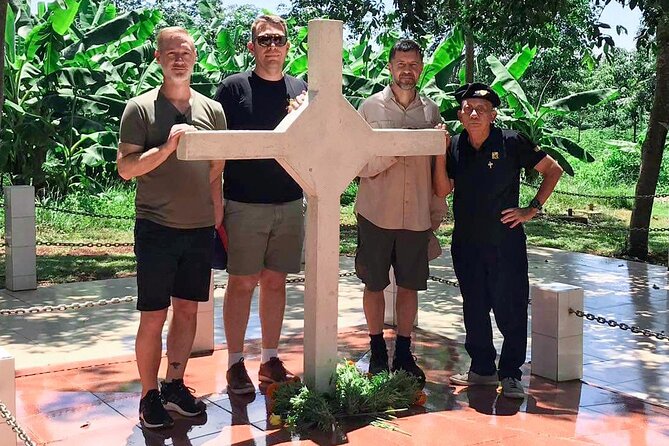
- Long Tan Cross Memorial sets the tone early, with a respectful memory stop before you move on
- Horseshoe FSB and nearby plantation drive-by views help you read the terrain, even if land mines limit entry
- Long Phuoc Tunnels bring the war closer to daily reality, with meeting spaces and first aid areas
- Guides such as Tu and Tony often use personal 60s and 70s context to make the day feel human
Why Long Tan Matters From Day One
If you have even a passing interest in Vietnam War history, Long Tan has gravity. It is one of the battles that draws a special connection for Australians and New Zealanders, because soldiers from both countries fought here. Standing near the memorial sites, the day shifts from names in a textbook to a specific place on the map.
I also like that the tour does not try to turn this into a thrill ride through military sites. The focus is memory, context, and understanding. You will hear about why the battlefield mattered in 1966, and you will visit places that keep the story anchored in location, not just facts.
And because this tour runs from Ho Chi Minh City, it is an easy way to add a meaningful 20th-century history day without giving up your whole trip schedule.
You can also read our reviews of more tours and experiences in Ho Chi Minh City.



Leaving Ho Chi Minh City at 8 am, Then Actually Seeing the Country
You start with pickup around 8 am. That early timing matters. You get calmer roads and more daylight for the drive through the countryside, which helps the landscape feel real rather than rushed.
You ride in a comfortable, air-conditioned vehicle, and you get bottled water. Those small comforts are not flashy, but they matter on a 7-hour day when you are going to be looking out at fields and paths, then sitting to listen, then moving again. This is the kind of day where you want your body to be ready for attention.
The tour also supports your pace a bit. It is described as private and customizable, with hotel transfers, lunch, and entry fees included. Even if you are traveling with friends or family, you are not stuck in a one-size-fits-all script.
Long Tan Cross Memorial: The Day Gets Serious Early
Before you go deeper into battlefield geography, the Long Tan Cross Memorial is where the tone is set. This stop is the hinge of the day because it frames the rest of your time around remembrance.
Practically, it gives you a moment to slow down and understand what you are about to see. The guide typically shares historical context during the drive as well, but the memorial stop is where that context becomes emotional and grounded. If you are coming for the Australian and New Zealand connection, this is often the part that makes that connection feel immediate.
One consideration: this is not a place designed for quick photos. Go in with the mindset of reading plaques, listening to the guide, and giving yourself a minute to take it in.
Horseshoe FSB and the Drive-By Reality of Land Mines
After the memorial, you head toward the area connected with Horseshoe FSB. Here is the important practical detail: you get a drive-by view, but entry is prohibited because land mines remain a risk.
This is one of those moments where you understand why battlefield travel is different from normal tourism. You cannot access everything. You see what you can from safe points, and the guide helps you connect that safe vantage to what happened in the battle.
Just as important, you get a sense of how the land still shapes what is possible. In other words, the battlefield is not only an event from the past. It is also a place with lingering hazards and limits. That is sobering, and it is also part of respecting the site.
Rubber Plantation Views: Reading the Terrain Like a Story
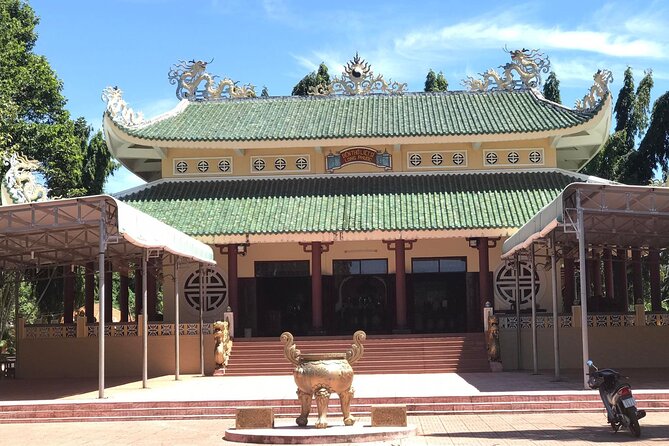
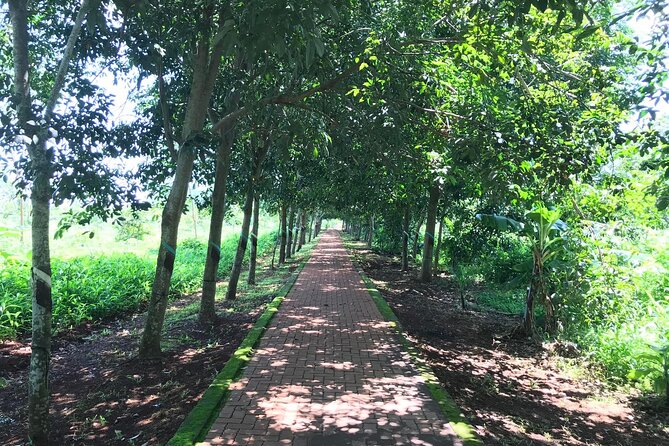
You will pass the Discourtesy Rubber Plantation, and that matters more than it might sound at first. Rubber plantations and similar countryside areas can look calm from a road, but they are also the kind of environment that affects movement, visibility, and how forces meet.
The guide’s job here is to help you read the terrain. Driving through the countryside is not just scenery. It is the tour method for showing you how the battle conditions would have felt: sightlines, cover, and the challenges of moving and communicating.
You should expect this part to be interesting even if you are not a military history superfan. It turns the landscape into an explanation, so the geography becomes a character in the story instead of a background detail.
One drawback to flag gently: the day is not positioned as a drive to see lots of dramatic battlefield remnants. Some memorial-focused battlefield tours offer major visible remains. This one leans more toward interpretive stops, memorial sites, and safer access points, so it can feel quieter than you expect.


Long Phuoc Tunnels: Where War Meets Daily Constraints
Next comes Long Phuoc Tunnels, a site designed for protection and survival. Unlike outdoor memorial stops, tunnels pull the mind toward the physical realities of conflict.
You will hear what the tunnels were used for. Specifically, the tunnels included meeting spaces and first aid stations. That detail is what I find valuable. It keeps the story from staying purely tactical. You start thinking about coordination and care, the moments when people needed to function while everything around them was dangerous.
Walking through or viewing tunnel areas changes your sense of scale. Even if you do not see every historical feature, you get the feeling of confined space and restricted movement. The guide helps connect that sensation to what happened during the period of fighting.
This is also where the day’s emotional tone can intensify. Not in a theatrical way, but because you are confronted with how normal needs, like communication and basic medical help, show up during wartime.
Guides Make the Difference: Tu and Tony’s Storytelling Style
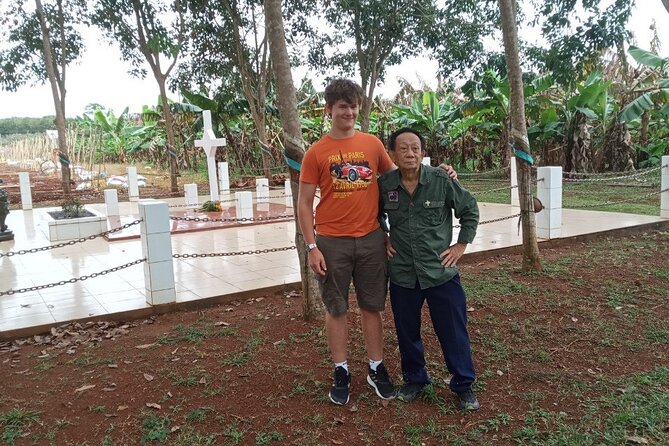
A lot of history tours can end up sounding like a lecture. This one is different because the guide approach is the main reason people rate it so highly.
Two guide names stand out from the experience: Tu and Tony. Both are described as friendly and strong at explaining, with a style that goes beyond dates and locations. Guides often add context with personal stories from the area in the 60s and 70s, which helps you understand how the war years affected people long after the battle itself.
I like that this is not just dry background. When the guide shares what the countryside looked like or how people experienced daily life during that period, it helps you build a fuller picture. It also makes the day feel like a conversation rather than a checklist.
If you care about interpretation, not just sightseeing, this guide-driven storytelling is the best part of the value.
Price and Value: What $90 Buys You in a Real 7-hour Day
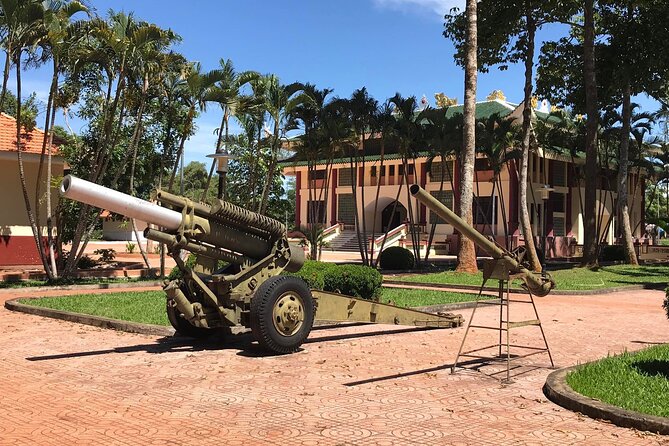
At $90 per person, this tour is not a budget snack. But for a full 7-hour day that includes pickup, lunch, and entry-related costs, it often comes out to fair value.
Here is what you are actually paying for:
- Air-conditioned transport (not just a seat, but a comfortable ride for a long day)
- An English-speaking tour guide
- Pickup and drop-off at your hotel
- Bottled water
- Lunch
- Entry fees included
When those basics are handled, you avoid the usual hidden costs of DIY transport, entrance fees you forget to budget, and time spent figuring out routes. That matters in Ho Chi Minh City, where travel time can eat your day fast.
Also, the tour is private and customizable. That can be a big deal if you are traveling with family members who want flexibility, or if you want the day to match your interests.
Not included is simple: optional tips. If you feel the guide earned it, plan to tip at your discretion. If not, you still get a complete day without extra pay.
What to Expect on the Ground (And What Might Catch You Off Guard)
This tour is built around safe access and meaningful stops. That means:
- You will spend time driving through the countryside to reach key points.
- Some locations are viewed from safe areas, including the Horseshoe FSB drive-by because of land mines.
- You will likely see fewer dramatic relics than you might hope for, because the day emphasizes memorials and interpretive sites rather than a full inventory of visible battlefield equipment.
That last point is a personal-fit issue. If what you want is a big collection of surviving artifacts, you might feel slightly underwhelmed. If what you want is a respectful and guided understanding of how the battle connects to specific places, you will probably feel satisfied.
The good news is that the memorial elements and tunnel site bring emotional weight and human scale. Even if you are not a hardcore history traveler, the day has enough emotional and physical variety to keep it from blending together.
Who This Tour Fits Best
I think this is a strong match for:
- Australians and New Zealanders who want a meaningful connection to their history in Vietnam
- Anyone who likes 20th-century military history, especially the Vietnam War
- Travelers who prefer a guided day that includes context and reflection, not just photo stops
- Small groups who would enjoy a private tour structure and the option to customize
If you are traveling with limited time in Ho Chi Minh City but still want a day that feels purposeful, this works well. It is also a good choice if you want to learn without piecing together transport and ticketing yourself.
If, on the other hand, you dislike emotionally heavy sites, or you expect lots of dramatic battlefield remains, you may want to consider whether a memorial-centered tour fits your travel style.
Should You Book the Long Tan Battlefield Day Tour?
I would book it if you want a guided, respectful day that links the Vietnam War to real places, and you value good storytelling. The standout for me is the combination of memorial stops, tunnel context, and guide-led interpretation. With guides like Tu and Tony, you are not just traveling to spots, you are learning how to see the battlefield through the guide’s explanations.
I would think twice if you are mainly hunting for visible war relics. This tour is more about meaning, geography, and memory than about a highlight reel of artifacts.
If you fit the history or remembrance audience, this is one of the most worthwhile ways to spend a day from Ho Chi Minh City.
FAQ
How long is the Long Tan Battlefield day tour?
It runs for about 7 hours.
What is the price per person?
The price is $90.00 per person.
Is hotel pickup and drop-off included?
Yes, pickup and drop-off at your hotel are included.
Does the tour include lunch and entry fees?
Lunch and entry fees are included.
Is there an English-speaking guide?
Yes, the tour includes an English speaking tour guide.
What sites will we visit during the day?
You visit the Long Tan Cross Memorial, you drive past Horseshoe FSB (entry prohibited due to land mines), you pass by the Discourtesy Rubber Plantation area, and you go to the Long Phuoc Tunnels.
What is the cancellation policy?
Free cancellation is available up to 24 hours in advance for a full refund.
More Tours in Ho Chi Minh City
More Tour Reviews in Ho Chi Minh City
Not for you? Here's more nearby things to do in Ho Chi Minh City we have reviewed







Vung Tau & Long Tan Tours from Saigon, compared.
 ★ 5.0Vung Tau Essential: Beach, Christ Statue & Colonial HeritageFrom $41284 reviews
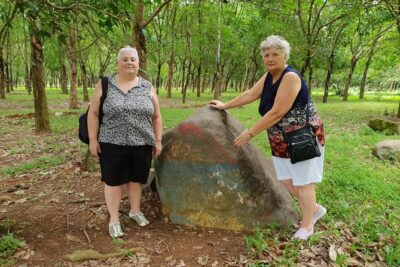 ★ 5.0Long Tan and Nui Dat – Australian Battlefield one-day tour from Ho Chi Minh CityFrom $119115 reviews
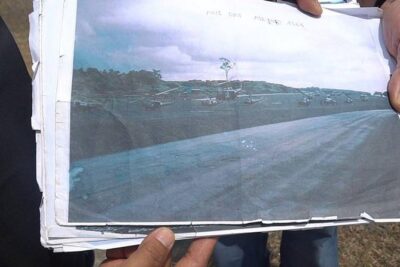 ★ 5.0Private Tour to Long Tan – Former Australian Military BaseFrom $9894 reviews
 ★ 5.0Long Tan, Nui Dat & Vung Tau Highlights – 1 day Private TourFrom $15882 reviews
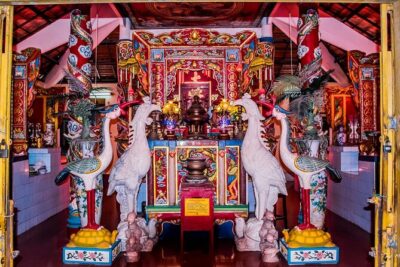 ★ 5.0Vung Tau Full-Day Tour with Beach, Christ Statue & White PalaceFrom $3351 reviews
★ 5.0Private Tour to Long Tan – Former Australian Military BaseFrom $9830 reviews
★ 5.0Vung Tau Full-Day Tour with Beach, Christ Statue & White PalaceFrom $3351 reviews
★ 5.0Private Tour to Long Tan – Former Australian Military BaseFrom $9830 reviews
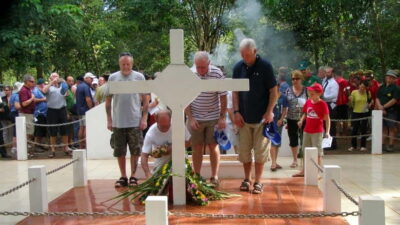 ★ 4.5Vung Tau/Ho Chi Minh: Nui Dat, Long Tan, Long Phuoc tunnelFrom $7524 reviews
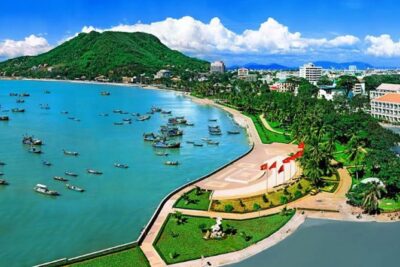 ★ 4.5Vung Tau City Private Tour Full DayFrom $8021 reviews
Browse the lists this tour appears in