
Reviewed · VUNG TAU & LONG TAN TOURS FROM SAIGON
Vung Tau/Ho Chi Minh: Nui Dat, Long Tan, Long Phuoc tunnel
Vietnam War history can hit you fast. This half-day route around Nui Dat and Long Tan mixes memorials, the day-to-day reality of a base, and a look at how the tunnels still shape the landscape. I especially liked the Long Tan Cross visit, because it is quiet and specific, and the Nui Dat Kindergarten stop, which shows veterans building something positive for local kids. One heads up: this isn’t a light sightseeing loop, and you will also spend time underground in the Long Phuoc Tunnel, so it may feel intense.
The tour starts from Vung Tau or Ba Ria and focuses on a tight set of meaningful places: Hoa Long village (also known as VC Home), old bunkers and training landmarks, the Long Tan village memorial, the Horseshoe Hill fire support base, and then the tunnel network. You will go with a local English speaking guide, and in the best versions of the day, guides like Tony, Joe, and Binh bring stories with care, humor, and respect.
Key things to know before you go
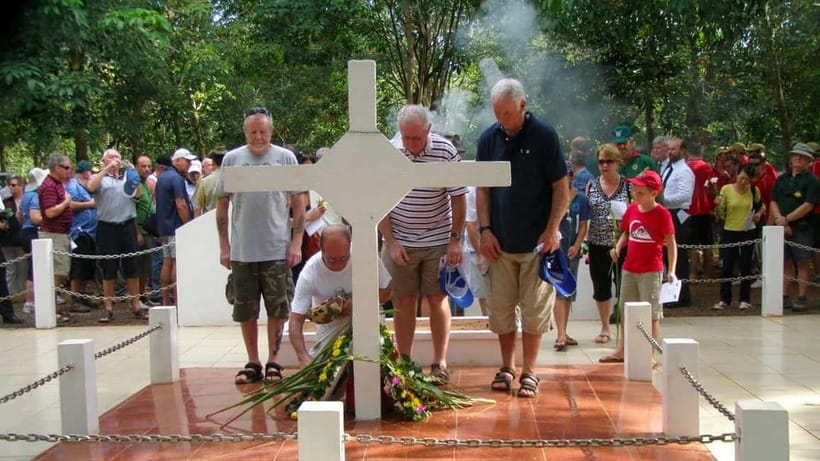
- Long Tan Cross memorial: a stop focused on 18 Australian soldiers who died in 1966, with flower placement included
- Nui Dat Kindergarten: built by Australian veterans for local children (opened in 2002)
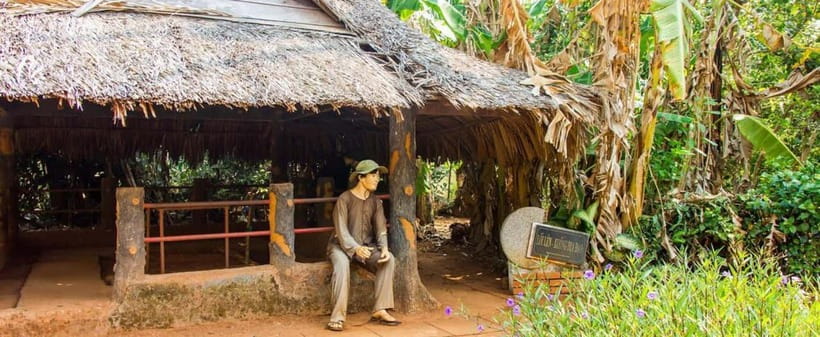
- Hoa Long village, also called VC Home: a key setting tied to the 1966 base period
- Horseshoe Hill fire support base: the Vietnam War role of this position is explained as you visit
- Long Phuoc Tunnel network: an underground system that helps you understand survival and hiding, not just fighting
Entering the Nui Dat and Long Tan story, without turning it into a lecture
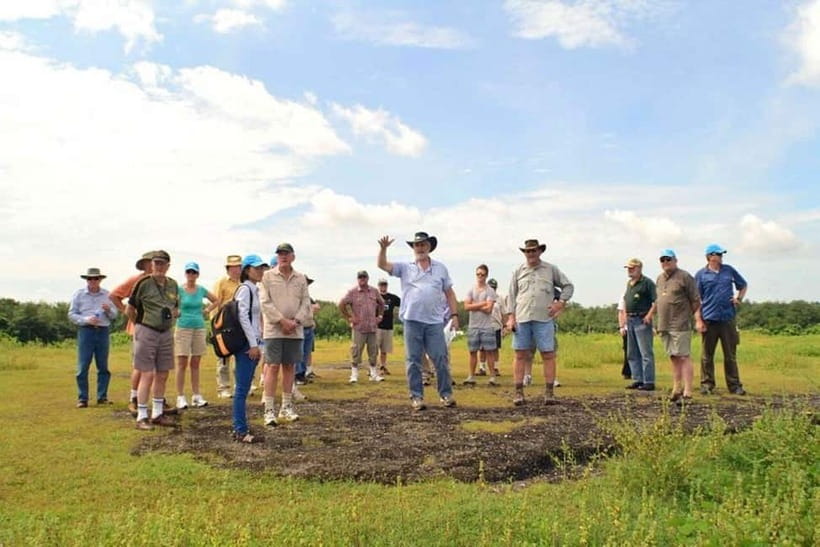
This tour is built around a simple idea: war is not one moment. It is bases, routines, fear, and geography. In the Nui Dat area, you move through the places that explain how a base was set up and how it worked during 1966. Then you shift to Long Tan, where the story becomes personal through the memorial and the cross.
I like that the day stays structured. You visit a base setting, then a child-focused community project, then a memorial tied to a specific battle, then a fire support location. That order helps your brain connect the dots instead of treating each stop like a separate postcard.
A practical note: expect walking on uneven ground at some sites. Bring comfortable shoes, and keep your water bottle handy since you get drinking water but you will still want to pace yourself.
You can also read our reviews of more tours and experiences in Ho Chi Minh City.



Hoa Long village and the base layout: seeing how a war base actually sits in the landscape
One of the strongest parts of this experience is the way it introduces the Nui Dat setting through Hoa Long village, also referred to as VC Home. The point here is not to sensationalize. It is to help you visualize what the surrounding area meant to the people living and fighting nearby.
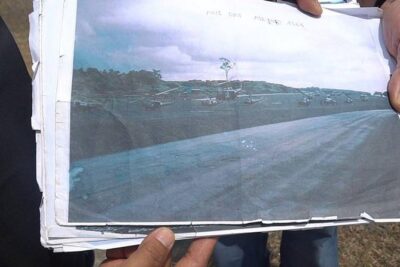
As you move through the area, you do not just hear broad statements. You also see and learn about specific elements connected to the base period. The tour includes stops such as old bunkers, the Kangaroo pad, SAS hill, Luscombe airfield, and the battalion’s flagpole.
Why this matters for you: when you can place those names on real ground, the history turns from abstract to concrete. Instead of thinking of the war as something that happened far away, you start seeing how locations shaped tactics and daily life. You also get a better sense of why guides talk about positions, fields of view, and movement, even when the language stays respectful.
Nui Dat Kindergarten: the most human stop in the whole day
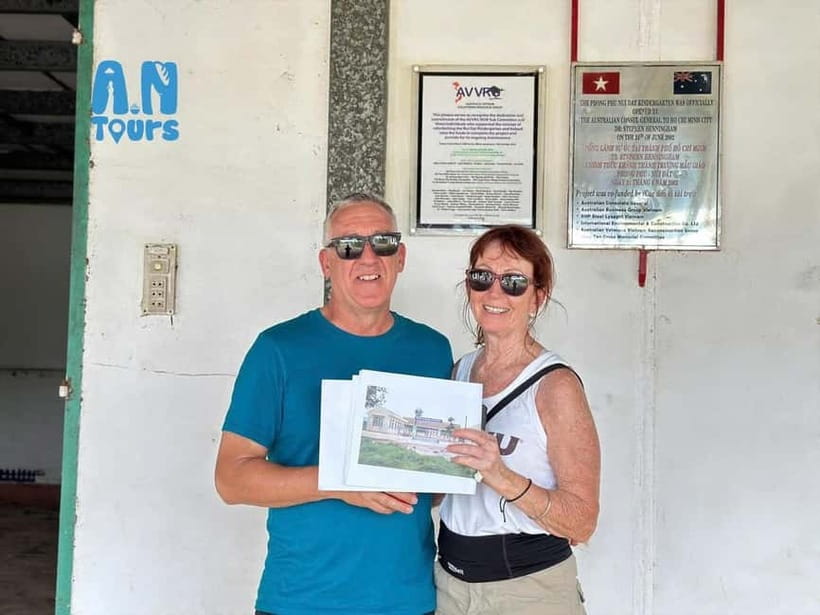
The Nui Dat Kindergarten is the kind of place that quietly changes your mood. This is not a monument to battles. It is a building veterans created for local children, with the kindergarten established in 2002.
I like this stop because it adds balance. If the rest of the day focuses on bases, fighting, and remembrance, the kindergarten reminds you that war does not only leave scars. It can also create reasons for rebuilding. Even if you are not looking for a hopeful message, the reality is that the tour gives you one.
It can also be emotionally tricky in a good way. You might notice your brain trying to reconcile two worlds, the hard military sites and then a place built for kids. That tension is part of why this stop lands.
Long Tan Cross: where remembrance becomes specific and personal
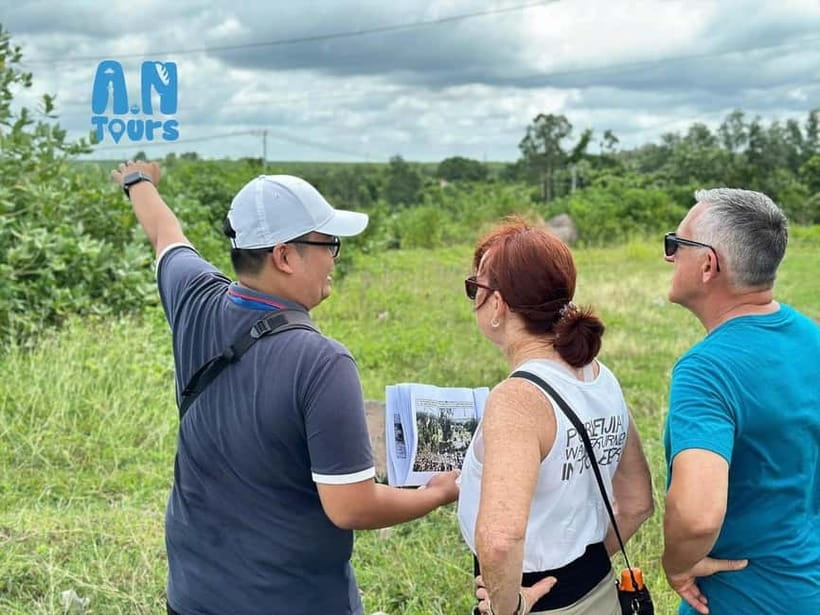
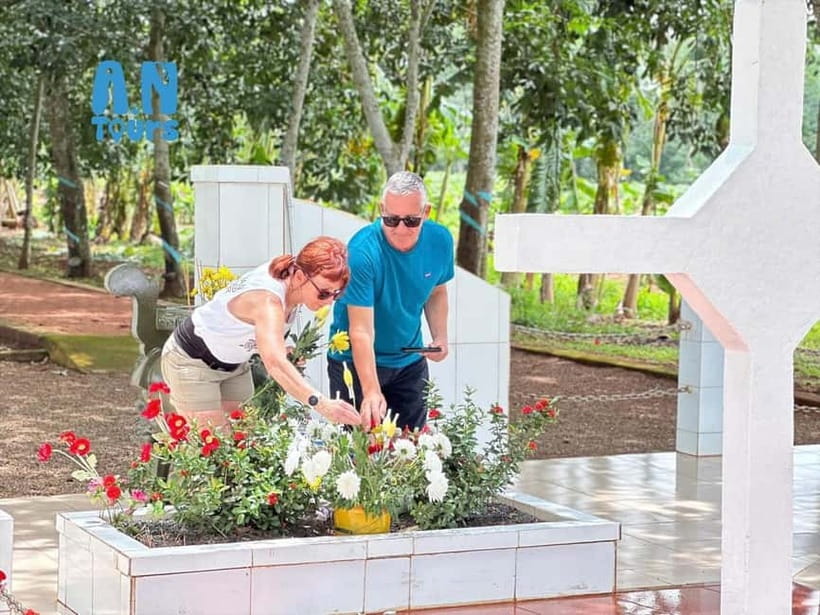
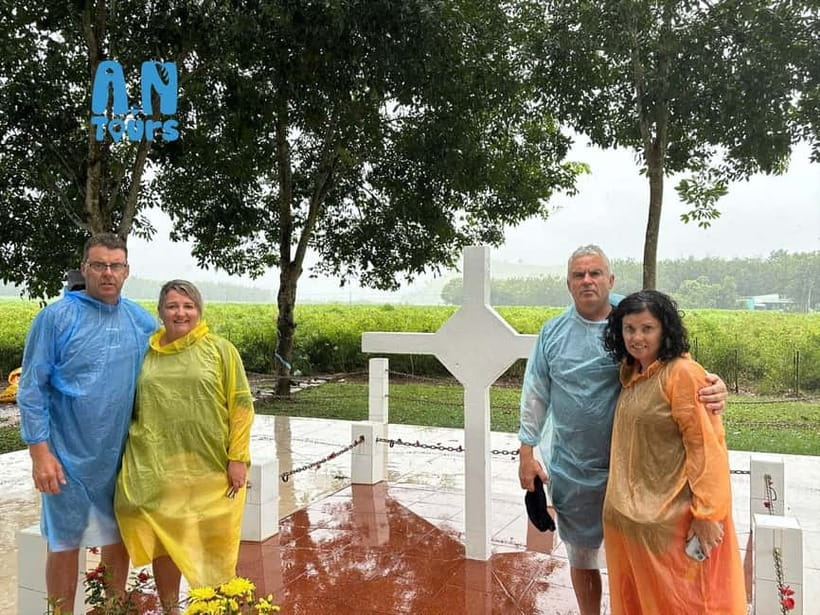
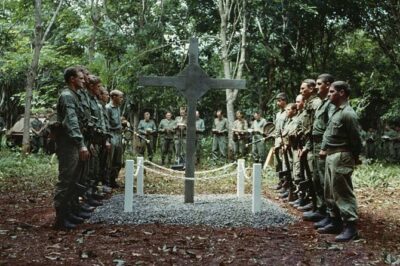
Long Tan is the memorial heart of the day. You visit the Long Tan Cross, a memorial rebuilt by Australian veterans for 18 soldiers who died in the battle of Long Tan in 1966.
This is not a quick photo stop. You also receive a flower for the memorial site, so you can participate in the moment rather than only observing it from a distance. If you care about doing things correctly, pay attention to your guide’s pacing. Let the silence be part of the experience.
What you will likely feel: the cross grounds the story in names and loss, not just tactics. And it is a reminder that even when you see military remains or maps, the end point is always people.
If you are sensitive to heavy topics, this is the most direct emotional section of the tour. Plan your morning accordingly, and do not stack another “fun” activity right afterward unless you are prepared to decompress.
Horseshoe Hill fire support base: understanding what support means on the ground
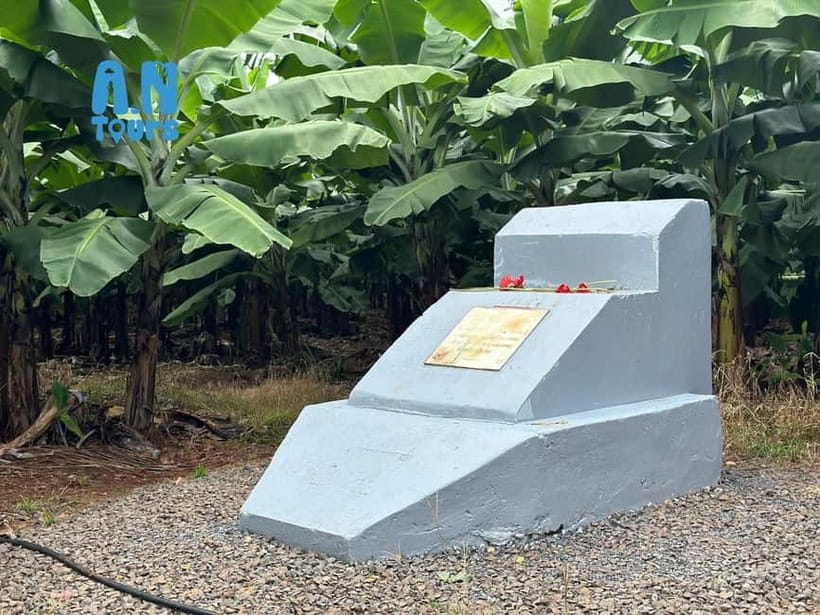
After Long Tan, the day continues to the Horseshoe Hill fire support base. This stop adds another layer to your understanding of the Vietnam War by explaining how fire support sites worked as part of the wider system.
The practical difference between this and the memorial: at Horseshoe Hill, the story is less about grieving and more about function. You will learn the role of this position and see why these kinds of locations mattered for protecting, responding, and supporting operations.
For you, this can be a turning point. It helps you move from the emotional peak of the cross to a clearer picture of what the base network actually did. It also makes Long Tan feel less like a standalone battle and more like part of a larger map and timeline.


Old bunkers, Kangaroo pad, SAS hill, Luscombe airfield, and the battalion flagpole
These are the stops that help you get oriented. The tour includes visits to old bunkers and several named landmarks connected to the Nui Dat campaign period. You will hear about the Kangaroo pad, SAS hill, Luscombe airfield, and the battalion’s flagpole as part of that base-day understanding.
If you like history but hate info dumps, I think you will enjoy how these locations are used. They act like anchors. You can remember the names and then use them to reconstruct the story later. That is a better way to learn than trying to memorize a timeline.
A small but important consideration: some of these areas may look quiet today. That is normal. A lot of war ground is grass, trees, and open spaces. Your guide’s job is to connect what you see now with what happened there then. If you want the most out of it, ask questions. Guides on this route tend to handle curiosity well, and the day is built around your ability to follow the narrative.
Long Phuoc Tunnel network: survival space, not a theme park
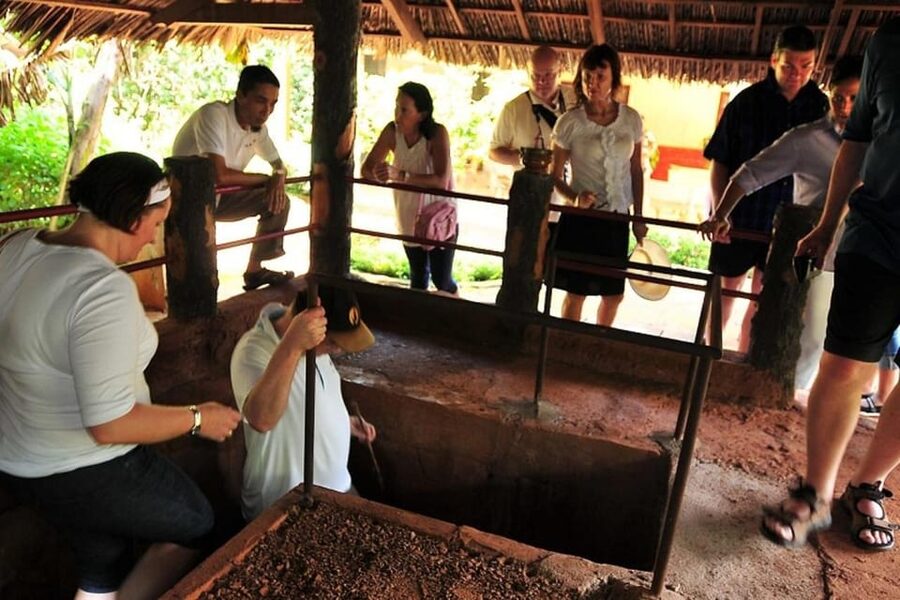
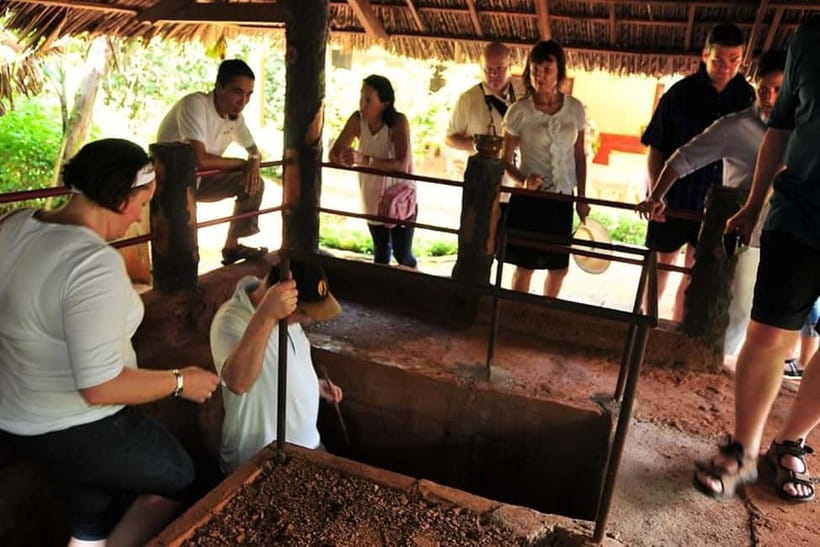
The Long Phuoc Tunnel is the last major stop and it changes the physical feeling of the tour. You explore a complex network of underground tunnels, and the purpose of the visit is to help you understand how hiding, movement, and protection worked in the tunnels.
Underground spaces are not everyone’s favorite, and the day does not pretend they are fun. Keep your expectations realistic. You are going into a place designed for survival, not comfort.
What I like about including the tunnel in a half-day itinerary is that it adds variety without breaking the theme. By the time you reach the tunnel, you have already learned about base structures, positions, and support. Now you see a different side of the conflict, the underground world that altered how people lived and traveled.
Practical tip: wear comfortable shoes, and if you have any issues with confined spaces, tell your guide early so you can adjust how you experience the tunnel. The tour is structured around walking and viewing, so being honest with your comfort level will make it more enjoyable.
The guide makes or breaks this kind of day
This tour lives and dies on the human part. The sites are heavy. You need a guide who can explain without turning tragedy into entertainment.
The best versions of this experience are run by guides who speak clear English and handle the story with care. You might meet Tony, Joe, or Binh, and you will likely notice similar traits in how they run the day: a friendly tone, a willingness to answer questions, and a respectful approach when talking about soldiers from both sides of the war.
I also appreciate when humor is used in a gentle way, not to deflate the topic, but to keep you from feeling trapped in it. One guide with a memorable personality, Tony, is noted for being smiling and helpful and even has a singing voice that can lighten the ride without changing the seriousness of the stops. That kind of balance helps you keep listening.
Also, having an experienced driver matters. You are touring roads and rural areas, and you want to feel safe and comfortable. Multiple guides and drivers are described as professional and kind, and that shows up in how smooth the day feels from start to finish.
What the price covers, and why $75 can feel fair for this route
At about $75 per person, this half-day tour can be good value if you want everything organized in one package. You are not only paying for a seat in a car.
Included items on this tour are practical and relevant:
- a local English speaking guide
- travel permits and entrance fees
- a flower for the Long Tan Cross memorial
- drinking water
- transfer
Not included are your other personal expenses and any surcharge for a holiday in Vietnam.
So what does that mean for you? If you would otherwise spend time figuring out transport, entrance fees, and how to stitch multiple sites together, this price starts to look reasonable. You are buying a guided narrative, access to the sites, and the comfort of transfers.
If you are the type who enjoys solo travel and you do not want a structured schedule, you might find it less worth it. But if you want the history explained clearly and respectfully, with someone handling the connections between locations, the package makes sense.
Timing, comfort, and what to bring for a smooth half-day
This is a half-day tour from Vung Tau or Ba Ria, so pace matters. You will be hopping between meaningful locations, which means you will likely spend more time on the move than you would on a slow museum afternoon.
Because walking and uneven ground are likely at outdoor sites, comfortable shoes are a must. Beyond that, stick to basics: water, a light layer, and a respectful mindset for the memorial areas.
If you get car advice from your guide, follow it. The route includes multiple sites across a wider area, and good pacing is part of why people come away feeling they used the morning well.
Who should book this Vietnam War sites tour, and who might skip it
Book it if you want:
- a clear, guided story of Australian involvement around Nui Dat and Long Tan
- memorial time at the Long Tan Cross with flower placement
- a kindergarten stop that shows rebuilding and community, not only destruction
- a tunnel visit that connects geography to survival
You might skip it if:
- you do not handle intense war-related settings well
- you strongly dislike confined underground spaces
- you prefer purely light entertainment over respectful historical context
Also, if you are traveling with family, the inclusion of the Nui Dat Kindergarten can make the day more balanced. Just remember that Long Tan and the tunnel still bring serious material, so consider your group’s comfort.
Should you book? My straight answer
I think you should book this tour if you want a focused morning that connects the Vietnam War in a way that feels grounded and respectful. The combination of the Long Tan Cross, the Nui Dat Kindergarten, the Horseshoe Hill fire support base, and the Long Phuoc Tunnel gives you both remembrance and real context. Add an English speaking guide who can explain with care, and you get a day that is more than sightseeing.
If you are short on time and want one organized route from Vung Tau or Ba Ria, this is a strong option. If you are only looking for casual views, it might feel too heavy. Pick your mood, pack comfortable shoes, and go in with an open heart.
FAQ
How long is the tour?
The tour is a half-day experience.
Where does the tour start?
It is described as a half-day tour from Vung Tau and Ba Ria.
How much does it cost?
The price is listed as $75 per person.
What sites does the tour include?
It includes Nui Dat Kindergarten, Long Tan Cross, Horseshoe Hill (fire support base), and the Long Phuoc Tunnel. It also mentions stops around Nui Dat including Hoa Long village (VC Home), old bunkers, the Kangaroo pad, SAS hill, Luscombe airfield, and the battalion’s flagpole.
Is there an English speaking guide?
Yes, the tour includes a local English speaking guide.
What is included in the price?
Included items are travel permits and entrance fees, a flower for the memorial at the Long Tan Cross site, drinking water, and transfer.
What is not included?
Not included are guests other expenses and any surcharge for a holiday in Vietnam.
What should I bring?
Wear comfortable shoes.
Do I get any memorial material at Long Tan?
Yes, a flower is included for the memorial of the Long Tan Cross site.
Can I reserve and pay later?
Yes. It offers reserve and pay later, and you can cancel up to 24 hours in advance for a full refund.
More Tour Reviews in Ho Chi Minh City
Not for you? Here's more nearby things to do in Ho Chi Minh City we have reviewed






Vung Tau & Long Tan Tours from Saigon, compared.
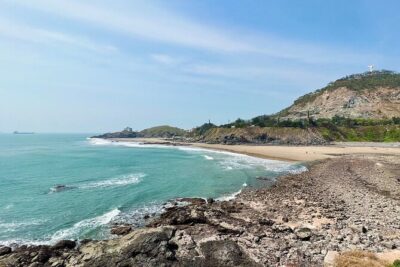 ★ 5.0Vung Tau Essential: Beach, Christ Statue & Colonial HeritageFrom $41284 reviews
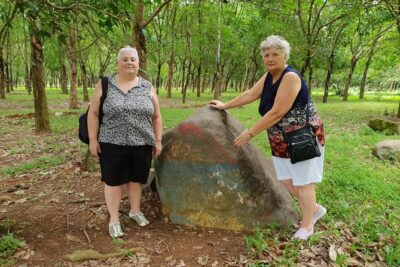 ★ 5.0Long Tan and Nui Dat – Australian Battlefield one-day tour from Ho Chi Minh CityFrom $119115 reviews
 ★ 5.0Private Tour to Long Tan – Former Australian Military BaseFrom $9894 reviews
 ★ 5.0Long Tan, Nui Dat & Vung Tau Highlights – 1 day Private TourFrom $15882 reviews
 ★ 5.0Vung Tau Full-Day Tour with Beach, Christ Statue & White PalaceFrom $3351 reviews
 ★ 5.0Long Tan Battlefield Day Tour – “Lest We Forget”From $9040 reviews
★ 5.0Private Tour to Long Tan – Former Australian Military BaseFrom $9830 reviews
★ 5.0Long Tan Battlefield Day Tour – “Lest We Forget”From $9040 reviews
★ 5.0Private Tour to Long Tan – Former Australian Military BaseFrom $9830 reviews
 ★ 4.5Vung Tau City Private Tour Full DayFrom $8021 reviews
Browse the lists this tour appears in