
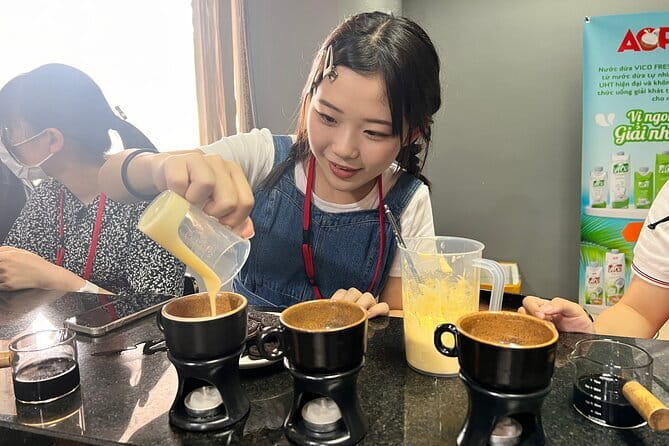
Reviewed · SAIGON COFFEE EXPERIENCES
Mastering Egg Coffee-Course on 4 traditional types of Viet coffee
Vietnamese coffee can be a skill, not a mystery. In this 2-hour Ho Chi Minh City class, you learn traditional drip steps and how to present layered cups, with egg coffee as the star. What I like most is the hands-on guidance from the head barista plus the fact you make four different coffees instead of just watching. One thing to consider: this is a caffeine-heavy tasting, so plan your timing if you are sensitive.
The format is small, max 15 people, and it runs with a relaxed pace that still keeps you moving. The host can be genuinely funny, like Long/Sarah, and the group vibe is friendly, with time to chat and compare notes. For $25, you also get all the gear you need, plus special gifts at the end.
Key things that make this coffee course worth your time
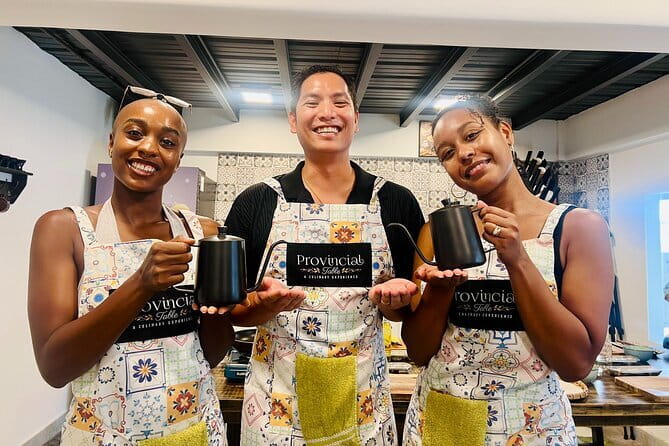
- Head barista coaching on steeping and brewing, not just theory
- Four cups, four styles, including egg coffee, sea salt, and coconut milk
- Layered presentation focus, so your drink looks as good as it tastes
- Bitter-sweet balance practice with attention to textures and temperatures
- Small group (max 15), which keeps the class interactive and easy to ask questions about
- Special gifts for all participants, so you leave with more than tips
Hands-on Vietnamese drip skills in Quận 1
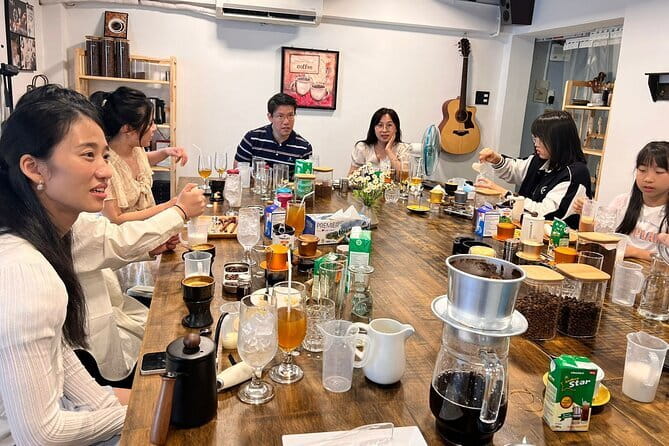
This workshop is built around one core idea: if you can master the basic drip technique, you can understand what changes flavor and texture in Vietnamese coffee. You spend the session learning meticulous steps for steeping and brewing, with the barista guiding your process from start to finish. That makes a big difference if you have ever had Vietnamese coffee abroad and thought, it is good, but why is it so different from what I remember?
I especially like that it is not only about taste. You also work on technique and presentation, which matters because Vietnamese coffee is often served with layers and contrasting temperatures. You end up paying attention to the small things, like how the drink comes together as you brew, and how that affects the first sip versus the last one.
The class also starts with context. You get an exploration of coffee’s history and cultural significance in Vietnam, including its origins and influences. You do not need to be a coffee nerd to appreciate this part. It just helps you understand why the drinks you are making have distinct identities.
More Saigon tours, river trips, tunnel visits, and city experiences to compare
The four cups you’ll learn: egg, condensed milk, sea salt, coconut
You are making all four of these, one after another, with all accoutrements provided:
- Egg coffee, Cà Phê Trứng Lòng Đỏ
- Dark roast condensed milk coffee, Cà Phê Sữa Đá
- Sea salt coffee, Cà Phê Muối Biển
- Coconut milk coffee, Cà Phê Cốt Dừa
Here is the practical part. Instead of treating these as random menu items, you get to compare them through technique and structure. The course is designed to help you notice the interplay of bitter and sweet notes, plus texture and temperature. That is the kind of learning that sticks, because you can recreate the logic next time you order.
Egg coffee is usually the most visually distinctive, and in this class it is also treated as a technique challenge, with special attention to how you build and present the cup. The condensed milk version leans into a dark roast foundation with sweetness, so you learn how bitterness can be balanced rather than hidden. The sea salt coffee and coconut milk coffee give you two more ways to shift the flavor profile while still keeping the Vietnamese drip style as the backbone.
And since you are tasting multiple coffees in one sitting, you learn faster. Your palate gets trained in real time, which is hard to do when you only try one drink per day.
How the class flows from coffee story to real brewing steps
The workshop starts by setting the stage. You learn about Vietnamese coffee’s history and cultural significance, including origins and influences. It is not the kind of lecture that makes you yawn. You are hearing it while you are about to put your hands on the tools, so it lands as context for what you are about to brew.
Then you move into the practical sequence: steeping and brewing the perfect cup using traditional drip methods. The barista guides you through the process step-by-step, and you follow along with your own setup. You will also hear how to think about balance, especially the bitter and sweet notes, and how temperatures and textures change as the drink finishes.
This is where the class earns its top ratings. The instruction is described as explained nicely, and the pacing is chill. That matters because coffee brewing can feel intimidating if the session rushes. Here, the host keeps you engaged and moving at a comfortable speed, which makes it easier to learn without feeling clumsy.
If you are someone who learns best by doing, this is a great fit. If you prefer purely theoretical tasting notes, you might want to supplement with your own reading afterward. But for most people, hands-on wins.
Egg coffee (Cà Phê Trứng Lòng Đỏ) and the art of making it look right
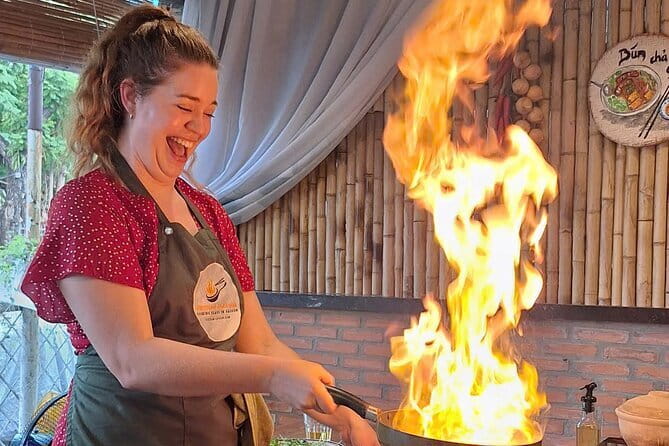
Egg coffee is the headline, and the course treats it that way. Even if you already know the general idea, you still have something to learn here: technique and presentation.
The goal is not just to produce a drink. It is to create a layered cup that looks appealing and also gives you a better tasting experience. You focus on how the steeping and brewing process affects the final result, and how that interacts with the creamy, egg-based element in the cup. The class emphasizes the harmony of bitter and sweet notes, so you are not only chasing sweetness. You are learning how to keep the coffee character present.
One of the best practical outcomes is that you start understanding the “why” behind the structure. When a drink is layered, your first sip can taste different from the last. By practicing in a guided setting, you learn how to aim for that consistent layering at home.
A quick consideration: egg coffee can be rich. Plan for that. Even if you love thick, sweet drinks, four cups in one session can be a lot in one go.
Condensed milk, sea salt, and coconut milk cups: taste the differences by texture and temperature
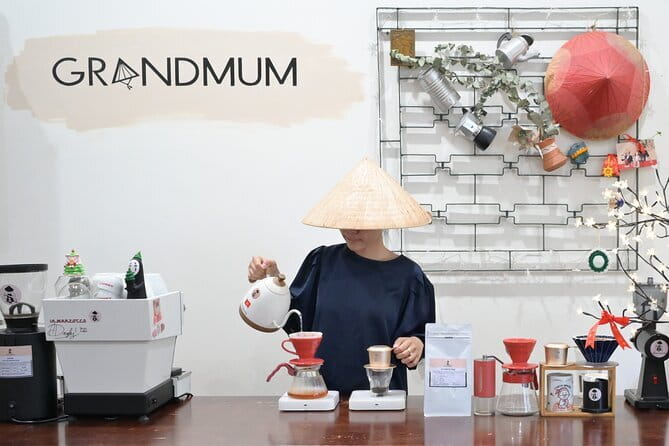
After egg coffee, the class shifts into comparison mode. You make three more styles, each one with a distinct twist:
The dark roast condensed milk coffee (Cà Phê Sữa Đá) is your sweetness and depth contrast. Because the base is dark roast, you get a clear bitter side, then you learn how the condensed milk changes the balance. The point is to experience harmony, not just sweetness.
The sea salt coffee (Cà Phê Muối Biển) gives you a different approach to balance. The class frames it as part of the larger lesson: adjusting the ingredient profile and noticing how flavors shift against the coffee’s bitter notes. It is also a good chance to pay attention to texture, because sea salt style drinks often feel different in your mouth than straight condensed milk.
Coconut milk coffee (Cà Phê Cốt Dừa) adds yet another flavor direction. Here you focus on how the coffee and coconut element interact, and how temperature and texture influence how the drink tastes as you go.
The class includes guided discussion around the interplay of textures, temperatures, and flavors. That is the kind of coaching that makes your tasting more than just sipping. You start to predict what you will taste before the next cup finishes brewing, and it makes the session feel like real learning.
Also, remember the caffeine note. One review specifically flags that an afternoon session can feel like a lot. So if you have plans later, or you are caffeine sensitive, pick your timing carefully.





Q&A, Vietnam coffee culture talk, and what gifts actually mean
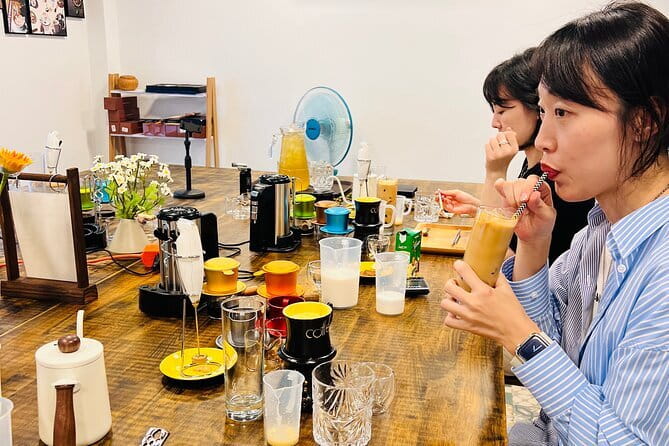
The workshop ends with a Q&A session plus highlights and discussion on the evolving coffee culture in Vietnam. This is where you can ask practical questions based on what you just made. If you want to know how to order in Vietnam, what to pay attention to, or how to interpret what you taste, this part helps connect the dots.
The session also includes special gifts for all participants. You should treat those as a nice bonus, not as the main reason to book. The real value is the skills: steeping, brewing, and presenting four classic Vietnamese drip coffees.
The social side is an understated win too. In a class of up to 15, you are not stuck in a silent corner. People tend to chat because you are all tasting and comparing. It makes the time feel lighter, even when you are learning real technique.
Price and value: is $25 fair for four coffees and guided technique?
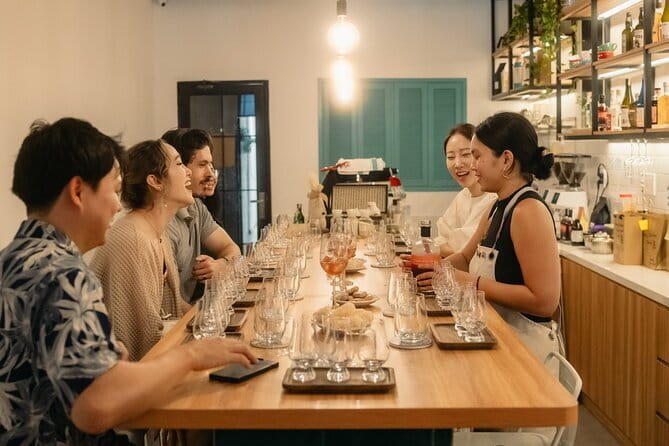
At $25 per person for about 2 hours, the math is simple. You are not paying for a one-time sample. You are paying for four cups, guided brewing, and all the accoutrements you need to make them. Small group size also adds value because the barista can actually help you during the process.
Most importantly, the class teaches a repeatable method. Even if you never make egg coffee again at home, you will understand what drip technique changes and how to think about bitter-sweet balance. That kind of learning often saves you money later, because you start ordering with clarity and you waste fewer cups on guesswork.
There is also a practical value in the presentation focus. Learning how to build a layered drink is hard to pick up just by watching a video on your phone. Here, you get feedback in the moment.
So yes, the price feels fair for what you get, especially if you like hands-on activities and you want something more memorable than a basic tasting.
Where you meet, how long it takes, and how to prepare
You meet in Ho Chi Minh City at 131/3 Nguyễn Thị Minh Khai, Phường Phạm Ngũ Lão, Quận 1, Thành phố Hồ Chí Minh 711106, Vietnam. The activity ends back at the meeting point, so you are not dealing with a strange drop-off or a long trek afterward.
The workshop lasts about 2 hours. That includes the history context, the brewing practice, and the Q&A wrap-up. With four coffees, you will likely be tasting steadily throughout, which is why pacing matters and why choosing a time that fits your day is smart.
To prepare, go with an appetite for learning, not just for sweetness. You will be tasting bitter and sweet notes and paying attention to textures and temperatures. If you normally avoid strong coffee, you might still enjoy it, but go slowly. Also, if you want the session to be less intense, consider whether you prefer mornings over afternoons for caffeine.
Service animals are allowed, and the location is near public transportation, so getting there is usually manageable.
Who this coffee course is perfect for
Book this if you match one of these:
- You love Vietnamese coffee and want to understand how it is built, not just drink it.
- You want a hands-on class with a head barista who explains the steps clearly.
- You like small group experiences where you can meet other visitors without it feeling forced.
- You enjoy coffee that varies in sweetness and texture, and you are curious about egg coffee and other traditional styles.
Skip it if you:
- Want a short tasting only, with no technique practice.
- Are very caffeine sensitive and cannot adjust your schedule.
Should you book the Mastering Egg Coffee course?
If you want a real skill in the middle of your Ho Chi Minh City trip, this is a strong choice. You get guided traditional drip brewing, four distinct cups to compare, and a class that stays relaxed while still feeling structured. The top marks come from clear explanations, funny engaging hosting, and the fact that you end up with multiple delicious outcomes, not just one.
If you like coffee and you are okay with caffeine, I’d book it. If you are worried about strength, choose your timing carefully and pace your tasting. Either way, you will leave with a better sense of how Vietnamese drip coffee can be balanced, layered, and built from technique.
FAQ
How long is the Mastering Egg Coffee course in Ho Chi Minh City?
It lasts about 2 hours.
What coffees will I learn to make during the workshop?
You will make four types: Egg Coffee (Cà Phê Trứng Lòng Đỏ), Dark Roast Condensed Milk Coffee (Cà Phê Sữa Đá), Sea Salt Coffee (Cà Phê Muối Biển), and Coconut Milk Coffee (Cà Phê Cốt Dừa).
What is included in the $25 per person price?
The class includes guided steeping and brewing using traditional drip methods, all accoutrements you need for the workshop, and special gifts for all participants.
Where is the meeting point for the class?
The meeting point is 131/3 Nguyễn Thị Minh Khai, Phường Phạm Ngũ Lão, Quận 1, Thành phố Hồ Chí Minh 711106, Vietnam.
Is there a group size limit?
Yes, the maximum group size is 15 travelers.
What is the cancellation policy?
You can cancel for a full refund up to 24 hours in advance of the experience start time. If you cancel less than 24 hours before, the amount paid will not be refunded.
Can I bring a service animal?
Yes, service animals are allowed.
Quick booking verdict
Book it if you want a hands-on Vietnamese coffee workshop with four different drinks and real technique coaching. It is especially worth it if you care about how the drink is made and how to achieve that layered look. Just plan your timing around caffeine.
More Coffee Experiences in Ho Chi Minh City


More Tour Reviews in Ho Chi Minh City
Not for you? Here's more nearby things to do in Ho Chi Minh City we have reviewed








Saigon Coffee Experiences, compared.
 ★ 5.0Fun & Easy Vietnamese Coffee Workshop in Hồ Chí Minh CityFrom $23293 reviews
 ★ 5.0Vietnamese Coffee & Culture Exploration in Hồ Chí Minh CityFrom $29202 reviews
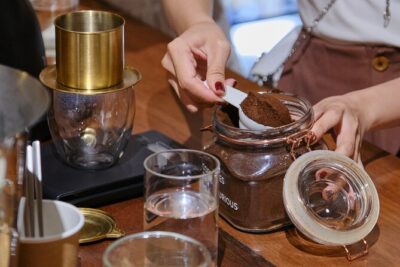 ★ 5.0Decadent Vietnamese “Egg Coffee” Workshop in Hồ Chí Minh CityFrom $20150 reviews
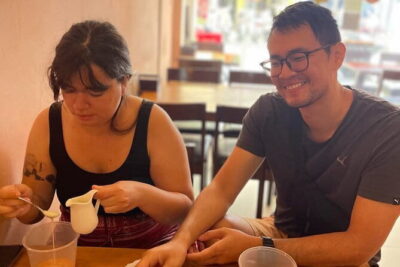 ★ 5.01 hour Egg Coffee Cooking Class with Snack and Local InstructorFrom $1572 reviews
 ★ 5.0Saigon Unseen: Culture, Coffee, Hidden Spots Motorbike AdventureFrom $3360 reviews
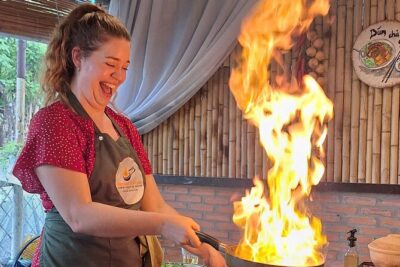 ★ 5.0Vietnam Flavour: Market-to-Table & The Art of Egg CoffeeFrom $4553 reviews
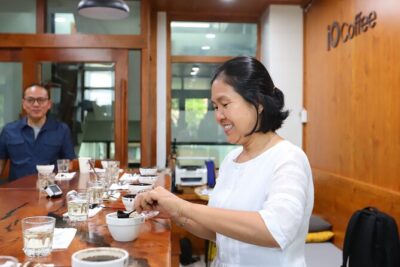 ★ 5.0Coffee Workshop in Ho Chi Minh City: Discover the art of coffeeFrom $7135 reviews
 ★ 5.0Early Riser Walk: Grandma Noodles, Cafe, Exotic Fruits & HistoryFrom $3933 reviews
Browse the lists this tour appears in