
Reviewed · VUNG TAU & LONG TAN TOURS FROM SAIGON
Remembering Long Tan- Nui Dat Battle : A Tour of Historic Sites
Long Tan is one of those places that makes you look harder. This day trip strings together the Nui Dat battle sites and the memorial points, then adds the Long Phuoc Tunnels so the story feels physical, not abstract. I also like that you get an English speaking guide, and the tour team has real fans, including guide Dingo Chien, praised for being organized, friendly, and able to explain tactics clearly. One possible drawback: the early 7:30 AM start and long car ride mean it is not a slow, lazy day.
You start in Ho Chi Minh City with hotel pickup, then drive down to Ba Ria-Vung Tau Province with a scheduled break at the Ba Ria rest stop. The pacing keeps moving, with about 2 hours on the Nui Dat sites, then about an hour for the tunnels, and finally the return to your hotel in Saigon. If you dislike long days on the road, you might feel it, but the included lunch, bottled water, and air-conditioned vehicle help a lot.
Key highlights
- 161 Kiwi artillery and Kangaroo Pad, explained using the Nui Dat military maps
- SAS hill, Luscombe airfield, and Luscombe bow, including the concert detail tied to Dottie and Col Joy
- 6 RAR flagpole memorial site, plus a second base stop at Horseshoe Hill
- Long Phuoc Tunnels, used for ammunition storage, giving context beyond what you see on the surface
- Dingo Chien as a standout guide, frequently praised for clear English and Aussie humor
Long Tan and Nui Dat sites: what you’re really seeing
This tour is built around locations, not lectures in a classroom. You follow a route through the Nui Dat area and you stop at specific points tied to what happened during the fighting. That approach is what makes the day click. When you can stand near a named feature, like an artillery position or a hill used in the operation, you start to understand why people would move the way they did, based on terrain and distance.
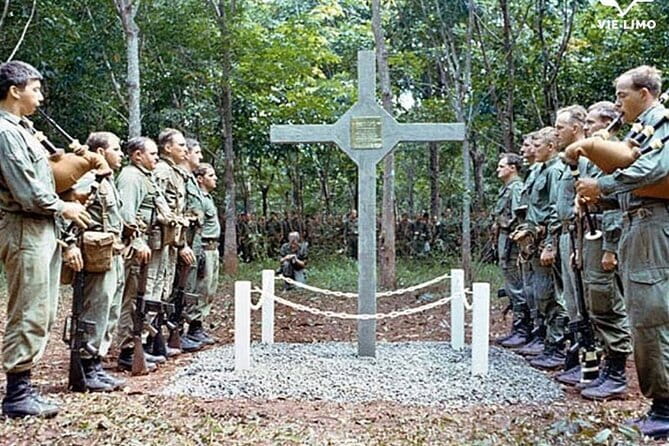
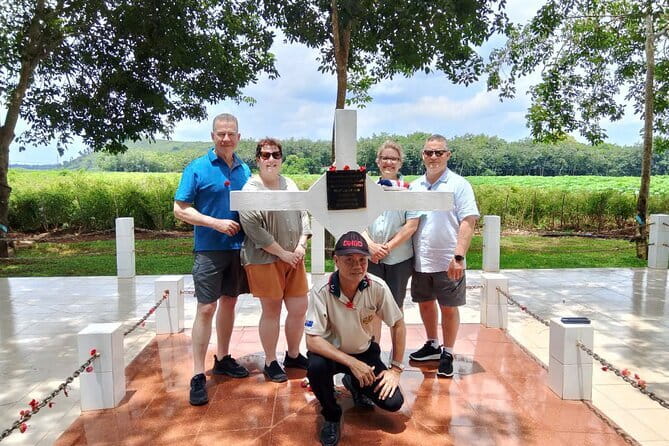
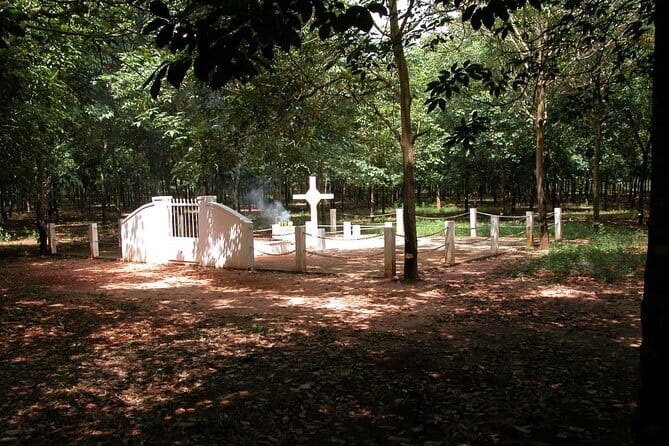
I like that the tour also includes memorial stops rather than treating everything like a sightseeing route. You are provided flowers, which signals that this is not just about photos. It helps you shift gears from sightseeing to remembering. And because you’re going with an English speaking guide, you get the key context for each spot without having to piece it together yourself on the spot.
One reason I think this tour is worth your time is the mix of surface locations and underground space. Seeing Long Phuoc Tunnels, used as ammunition storage, adds a different kind of perspective. You can look at the ground outside and then understand why underground mattered.
You can also read our reviews of more historical tours in Ho Chi Minh City



Price and logistics from Ho Chi Minh City (pickup, AC, lunch)
The price is $107.10 per person for an approx 7-hour day. That sounds like a chunk, but you are not just paying for a driver. The tour includes air-conditioned transport, lunch, bottled water, flowers, an English speaking guide, and all fees and taxes. In a lot of Vietnam day trips, you end up paying extra for entrances or for a guide, so this feels more “all-in” than some cheaper-looking options.
Logistically, it is straightforward. Pickup is around 7:30 AM from your hotel in Ho Chi Minh City, and the tour finishes with a return to your hotel in Saigon. You also get a scheduled break at the Ba Ria rest stop during the drive. That matters because this is an all-day push, and comfort during the road time affects how much you enjoy the rest.
A small practical note: the tour is described as private, meaning it is only your group. That can be a real plus if you want more flexibility with pace and questions, and you do not feel lost in a crowd.
Ba Ria rest stop and the southbound drive
The day starts with hotel pickup at about 7:30 AM. From there, you head toward Ba Ria-Vung Tau Province. The plan includes a stop at the Ba Ria rest stop for a break, and the tour schedule assigns time there before you reach the main Nui Dat area.
This drive segment does two useful things for you. First, it gets you out of the city before the day turns into one long heat-soaked slog. Second, the guide often sets expectations early, so when you arrive at the first battle-related site, you are not just trying to memorize place names. You are learning what to look for.
If you are the kind of traveler who gets carsick, plan ahead like you would for any long day by road. The good news is you are in an air-conditioned vehicle, and bottled water is included.
The Nui Dat base circuit: 161 Kiwi artillery to the 6 RAR flagpole
This is the heart of the experience, and it is structured as a focused route through multiple named features. The tour drives you to the Nui Dat army base area and uses Nui Dat military maps as a guide for where you are standing and why that location matters.
You visit:
- 161 Kiwi artillery
- Kangaroo Pad
- SAS hill
- Luscombe airfield
- Luscombe bow
- 6 RAR flagpole, then a second memorial point tied to the unit’s remembrance
- Horseshoe Hill as another base where the Diggers were stationed
I love the way these stops build a “layered” understanding. You are not just looking at one thing. You move from artillery to hill positions to an airfield area and then to memorial markers. Each stop adds a new piece to the story, so the day feels like it has momentum.
A benefit of doing it this way is that you can connect what you hear to a place. For example, when you stand near an artillery position and later near a hill or an airfield-related point, you start comparing distances and angles mentally. Even if you do not consider yourself a history buff, the route gives you a framework to follow.
Possible drawback to keep in mind: because the stops are specific and the day moves, you may not get long, unstructured wandering time at every spot. If you are the type who wants to linger quietly for hours, you might prefer a slower format. Still, for most visitors, the guided route keeps the day coherent and prevents the “random photo walk” feeling.
Horseshoe Hill: adding a second base perspective
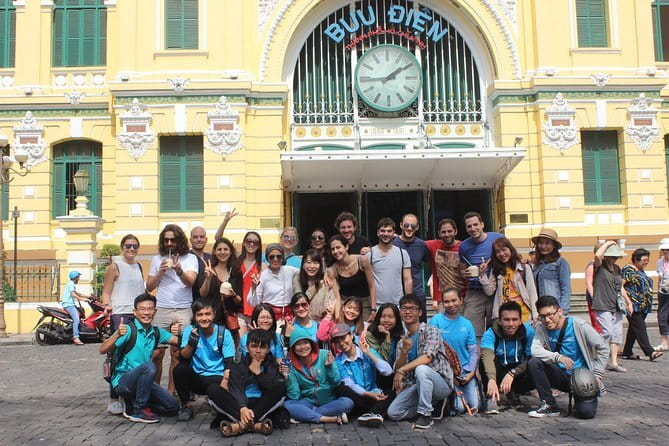
After the main Nui Dat site sequence, you head to Horseshoe Hill, described as another base where the Diggers were stationed. This stop is valuable because it expands the story beyond one compact area. Even without getting lost in detail, you get a sense that operations and support were spread out across multiple named locations.
What I appreciate here is the contrast. You are no longer only absorbing the named points in one cluster. You are stepping into a broader picture of where people were based and how those bases fit into the overall pattern of the battle geography.
If you want to remember the day well, this is the kind of stop where your best move is simple: take a minute to look around and mentally map what you heard earlier. Because the tour is using maps and named sites, you are in a good position to connect the dots.





Long Phuoc Tunnels: ammunition storage, underground context

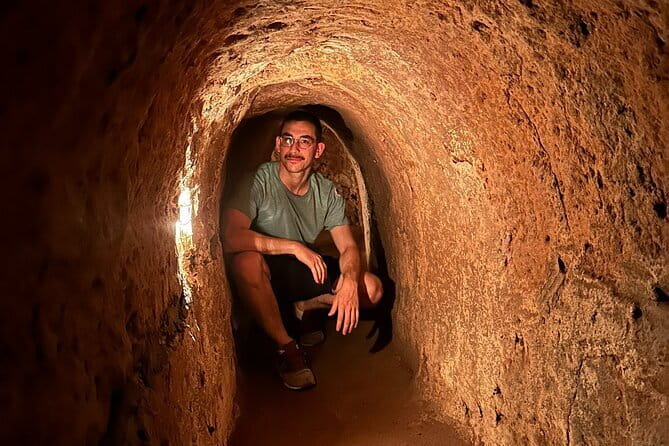
Then you shift from the surface to Long Phuoc Tunnels, used for ammunition storage. That detail changes how you process the rest of the day. Outside, you can interpret terrain. Inside, you understand logistics in a very direct way, because storage has to work with space constraints and concealment.
You spend about one hour here, which is a good length for most people. It gives you time to see and listen, without turning the tunnels into a half-day mission. If you are claustrophobic, this is the one part of the day where you should check your comfort level before committing, since the tunnels are naturally enclosed spaces.
This is also where an English speaking guide makes the biggest difference. You are not just looking at holes in the ground. You are learning why that underground area mattered.
The Luscombe bow concert detail with Dottie and Col Joy
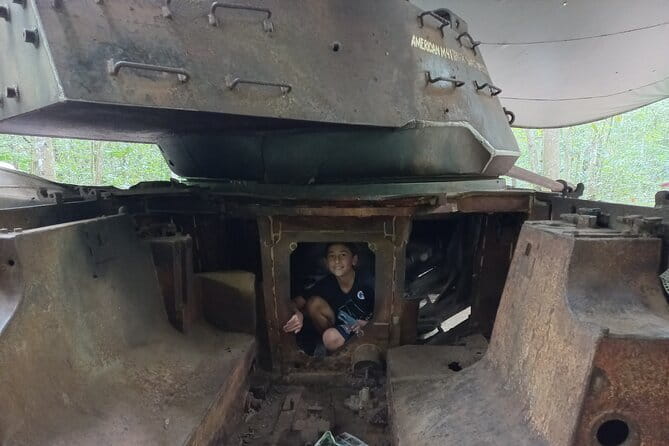
One of the most specific, human details in this tour is tied to Luscombe bow. The location is described as the spot where little Dottie and Col Joy performed a concert during the Battle of Long Tan.
That is a powerful reminder that even in the middle of conflict, people still found ways to maintain morale. You do not need to be a sentimental traveler to appreciate this kind of detail, because it adds depth to your mental image of the day. It helps you picture the atmosphere of life around the fighting, not just the fighting itself.
From a value perspective, I like that the tour does not only point to weapon sites and memorials. It includes moments that connect events to people and routines. When you leave, that can be what stays with you.
Lunch, pacing, and how the day stays manageable
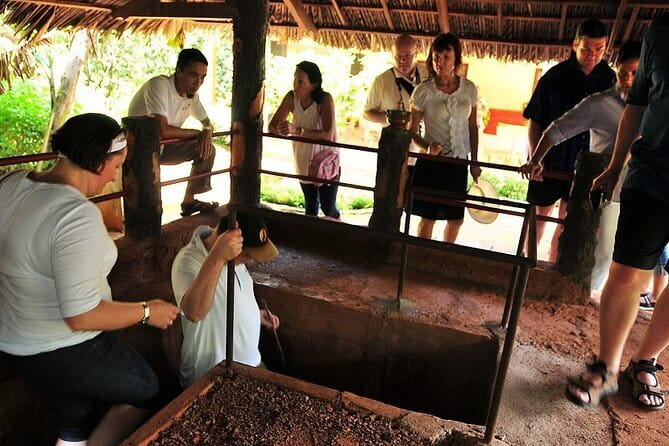
The tour is scheduled for an approx 7-hour day, and the time blocks are sensible:
- Hotel pickup and drive time, plus a break at Ba Ria rest stop
- About 2 hours on the Nui Dat battle site circuit and memorial points
- About 1 hour at the Long Phuoc Tunnels
- About 2 hours for the drive back to Ho Chi Minh City
Lunch is included, and bottled water is part of the package. Those are not flashy inclusions, but they make a real difference when you are away from your normal routine for the whole day.
Here’s how I’d plan your own comfort. Wear shoes that you can trust for standing and walking around multiple stops. Bring a light layer if you get chilly in AC. And use the Ba Ria break wisely, since you will not be stopping frequently once you get into the site circuit.
Your guide: Dingo Chien and why the explanations land
The standout theme from guide praise in this tour’s feedback is Dingo Chien. People highlight that he is very knowledgeable about Australian history, with detailed understanding of key personnel, weapons, and tactics. That matters because the difference between a good tour and a great one is not the number of stops, it is the clarity of explanation.
You also get something less measurable but equally important: humor and a real feel for Aussie lingo. A guide who can explain without turning it into a dry script helps you stay engaged through multiple location stops.
I recommend you treat the guide like a resource. Ask questions as you move, not only at the end. When you ask while you are standing at the place itself, the answer is naturally more grounded. You will likely remember those details longer.
Who this tour is best for
This is a strong fit if you want an organized way to see Long Tan and Nui Dat memorial and battlefield locations without worrying about routes or translations. You do not need to be an expert to enjoy it, because the sites are named and your guide ties them together.
It also fits you if you like experiences that blend:
- specific named locations like 161 Kiwi artillery and SAS hill
- memorial thinking, including the 6 RAR flagpole
- a “logistics view” through Long Phuoc Tunnels
If you are traveling with someone who cares about Australian-Vietnam history, this tour can be a meaningful day you share. If you are only in Vietnam for a very short time, the drive from Ho Chi Minh City is still doable, but be realistic about the early start.
Should you book the Remembering Long Tan – Nui Dat Battle tour?
Book it if you want a structured, respectful day focused on named Nui Dat and Long Tan sites, with a guide who can explain the why behind the where. The value feels strong because the price includes lunch, an English speaking guide, entrance fees, transport with AC, bottled water, and even flowers for memorial moments.
Skip or reconsider if you hate long travel days. The early pickup and full-day schedule can feel like work, even with the break and included meals. Also, if tunnels make you uncomfortable, that one-hour segment is the main thing to think about.
My final take: this tour works best when you show up ready to pay attention. Bring your curiosity, ask questions, and let the places do the storytelling for you.
FAQ
What time does the tour start?
The tour starts at 7:30 AM, with hotel pickup in Ho Chi Minh City.
How long is the tour?
It runs for about 7 hours.
Is hotel pickup and drop-off included?
Yes. The tour includes convenient pick-up and drop-off services at your hotel.
What is included in the price?
Included items are an air-conditioned vehicle, lunch, all fees and taxes, flowers, an English speaking guide, and bottled water.
What stops are part of the experience?
You visit multiple historic sites around Nui Dat and the Long Phuoc Tunnels, including places such as 161 Kiwi artillery, Kangaroo Pad, SAS hill, Luscombe airfield, Luscombe bow, the 6 RAR flagpole, Horseshoe Hill, and Long Phuoc Tunnels.
Is there an extra ticket cost for admission?
The tour includes all fees and taxes, so you are not expected to buy separate admission.
Can I cancel for a full refund?
Yes. You can cancel up to 24 hours in advance for a full refund.
More Historical Tours in Ho Chi Minh City



More Tours in Ho Chi Minh City
More Tour Reviews in Ho Chi Minh City
Not for you? Here's more nearby things to do in Ho Chi Minh City we have reviewed







Vung Tau & Long Tan Tours from Saigon, compared.
 ★ 5.0Vung Tau Essential: Beach, Christ Statue & Colonial HeritageFrom $41284 reviews
 ★ 5.0Long Tan and Nui Dat – Australian Battlefield one-day tour from Ho Chi Minh CityFrom $119115 reviews
 ★ 5.0Private Tour to Long Tan – Former Australian Military BaseFrom $9894 reviews
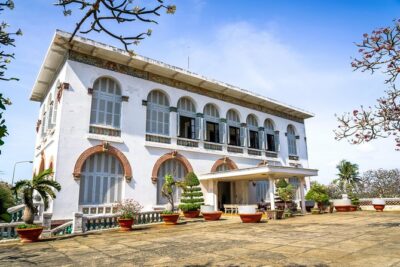 ★ 5.0Long Tan, Nui Dat & Vung Tau Highlights – 1 day Private TourFrom $15882 reviews
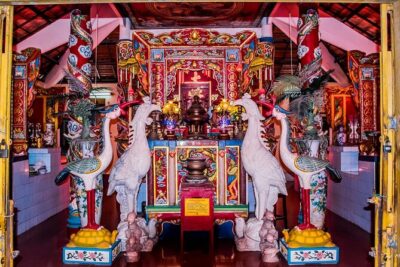 ★ 5.0Vung Tau Full-Day Tour with Beach, Christ Statue & White PalaceFrom $3351 reviews
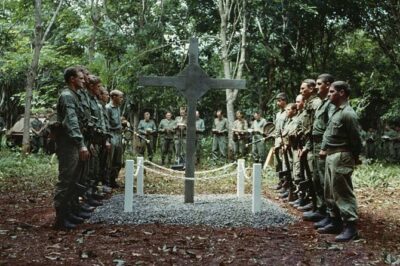 ★ 5.0Long Tan Battlefield Day Tour – “Lest We Forget”From $9040 reviews
★ 5.0Private Tour to Long Tan – Former Australian Military BaseFrom $9830 reviews
★ 5.0Long Tan Battlefield Day Tour – “Lest We Forget”From $9040 reviews
★ 5.0Private Tour to Long Tan – Former Australian Military BaseFrom $9830 reviews
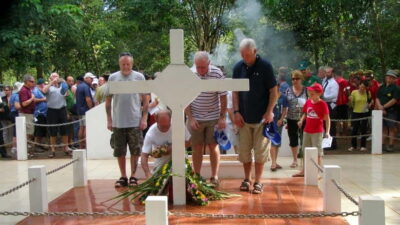 ★ 4.5Vung Tau/Ho Chi Minh: Nui Dat, Long Tan, Long Phuoc tunnelFrom $7524 reviews
Browse the lists this tour appears in