
Reviewed · SAIGON COFFEE EXPERIENCES
Vietnam Coffee Journey – Make extraordinary tasty coffee yourself
Saigon coffee has a story.
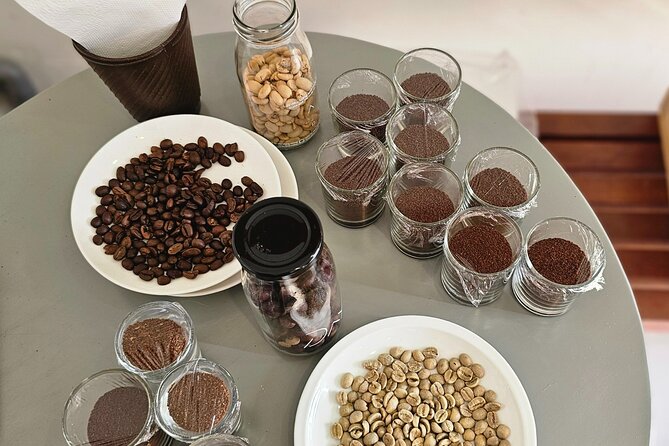
What makes Vietnam Coffee Journey special is the hands-on brew lesson with Quynh, plus a guided tasting of six different coffee drinks tied to Vietnam’s regional flavors. I love that you learn the Phin method and then use it right away, not just watch. One thing to consider is the caffeine, since you will be offered multiple drinks and you might want to pace yourself and taste only.
This is a small-group experience, capped at 6 people, and it runs for about 2 hours 30 minutes. The session is set up like a cozy coffee lab with enough space for kids to wait comfortably while their parents join in. If you like asking questions, this format works well, because Quynh’s style is very Q and A friendly.
You also get more than a quick drink sampler. The class connects coffee to how people live and think across Vietnam, using the brewing method as the explanation, not just folklore. Just be aware that this is a learning-centered workshop, so it may feel more “class-like” than “sit and sip,” especially if you prefer a purely casual caffeine stop.
Quick highlights
- Phin brewing basics on-site, so you can recreate the method later at home
- Six tasting drinks ranging from plain black coffee to iconic ingredient versions
- Hands-on ca phe sua and ca phe trung, with clear guidance you can follow
- North vs South comparisons, explained through brewing and ingredients
- Q and A energy with Quynh, good for curious food people
- Small group size (max 6), which keeps the pace comfortable
Why Vietnamese coffee tastes different, and how you learn it fast
If you only try Vietnamese coffee once, it can be confusing. It looks simple, it smells strong, and then you take a sip and think, wait, why is this so different from coffee back home?
This experience is designed to make that confusion disappear. You’re not just sampling drinks, you’re figuring out why they taste the way they do. That’s the real value: coffee becomes a practical lesson in technique, ingredient choices, and regional style.
Quynh sets the tone early by connecting each drink to a context. That context might be about everyday life, regional habits, or how the brewing tool changes what ends up in your cup. The result is that you understand the coffee as something people build into their day, not just a trendy drink you order and forget.
More Saigon tours, river trips, tunnel visits, and city experiences to compare
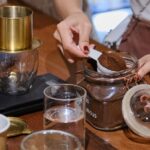
The Phin lesson, the small dripper that does the heavy lifting
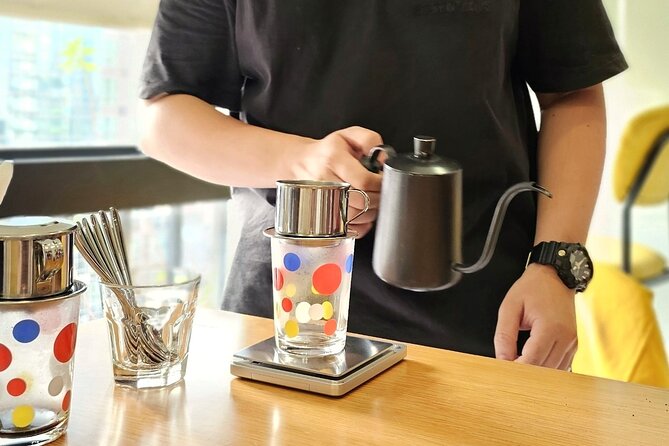
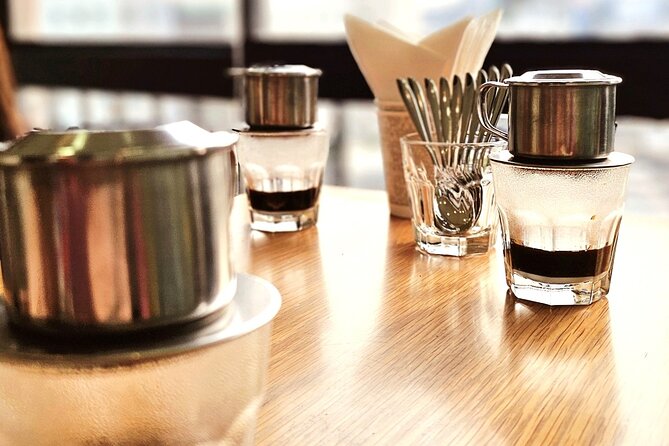
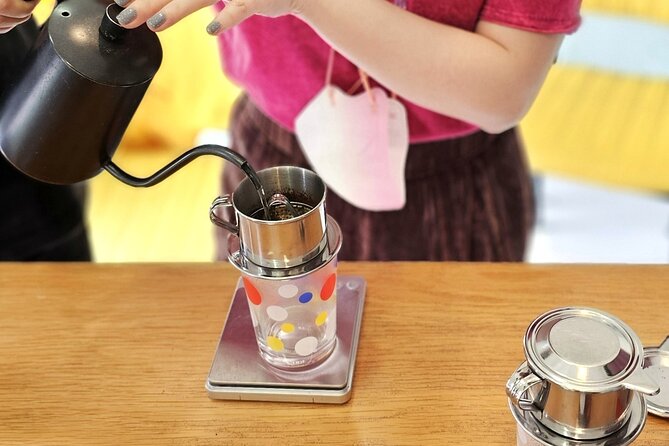
The heart of Vietnamese coffee is the Phin dripper, and you’ll learn how to use it during the session. The Phin is small and metal, and it looks almost too basic to create much difference. But the method matters.
In this class, you’ll practice the Phin process so you can connect the dots between brewing method and flavor. The instructor emphasizes that brewing is scientific in a real way. Variables like how the grounds are set, how hot the coffee is, and how the liquid extracts all affect the final taste. You don’t need lab equipment, you just need the right technique and a willingness to pay attention.
I like this part because it’s repeatable. After your visit, you can actually recreate the same style at home instead of chasing the memory of a single café cup. If you enjoy food tools and small techniques, this is one of the most satisfying parts of your Vietnam trip.
A practical note: if you are sensitive to caffeine, plan to sip slowly. The Phin makes coffee strong, and you may be offered more than one drink as part of the tasting set.
Your 6-drink tasting, from black coffee to iconic ingredient versions
The session includes tasting 6 different coffee drinks. The lineup starts with a simpler base (pure black coffee) and then moves toward the most iconic Vietnamese styles that include distinct additions.
You’ll see and taste the contrast between plain coffee and ingredient-driven drinks. Some of the drinks are tied to classic comfort and daily routines, while others show how Vietnam’s coffee culture has both tradition and adaptation.
What you can count on:
- You’ll compare how a basic brew tastes against ingredient versions.
- You’ll learn what those ingredients are doing for flavor and texture.
- You’ll understand that the reason behind a drink matters, because the reason often points back to region and daily use.
Two drinks are named specifically in the program, and they’re worth paying attention to:
- Ca phe sua, the condensed milk coffee style
- Ca phe trung, the egg coffee style
Even if you’ve heard of these before, this class aims to make them make sense. You’ll learn methods, not just memorization. That way, when you go back home, you’re not stuck trying to guess what you’re missing.
Ca phe sua and ca phe trung, and what makes them work
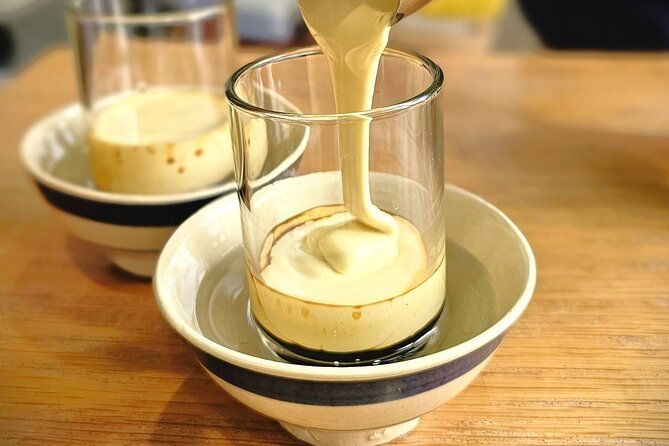
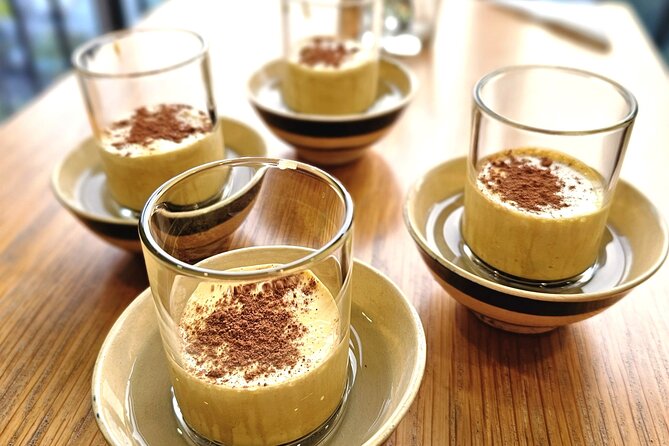
This is where the workshop earns its keep. Ca phe sua and ca phe trung are the kinds of drinks people talk about, but it’s easy to misunderstand why they’re so memorable.
Ca phe sua centers on condensed milk. The class helps you connect the sweetness and body of condensed milk with the strength of Vietnamese coffee. You’ll learn how to build the drink so it tastes balanced rather than cloying. The goal is repeatability, so you get tips for adjusting to your own preferences.
Ca phe trung is a different story. Egg coffee relies on technique and texture. The class explains the methods for making it, so you know what you’re aiming for beyond just the name. It’s a drink where small changes can shift the result from smooth to thin or from creamy to overly rich.
And this is the part I find most useful if you’re a “bring it home” type of person. You’re not only tasting, you’re getting recipes and practical tips intended for brewing again later.
North vs South Vietnam coffee, and why it’s not just branding
A big theme in this workshop is regional comparison. Vietnam’s coffee culture has recognizable North and South flavors, and the drinks show that difference.
The class doesn’t treat North and South as slogans. Instead, it uses brewing methods and instruments to explain how the same coffee idea can lead to different end results. You’ll learn how technique shapes extraction and how that connects to the drink style people reach for in different parts of the country.
You’ll also learn through comparison. That means you can taste the differences and then understand them with reasons you can repeat. It’s a far more useful way to learn than reading a list of drink names.
I also like that the class frames this as cultural reflection. Coffee becomes a way to talk about Vietnamese character, habits, and daily rhythms. You don’t have to force it, the explanation is built into the tasting flow.




How to taste with purpose, not just sip and forget
Some coffee experiences are just a parade of cups. This one is more structured. The goal is comparison, so you learn to taste with intent.
Quynh encourages questions, and that changes the experience in a good way. When you ask something, you usually end up learning two things: the direct answer and the bigger idea behind it. That’s also why this workshop can run a little long if you keep talking about technique, flavor, or even Vietnamese food in general.
To get the most out of it, do a simple mental check:
- Try a drink, then think about what changed from the last one (sweetness, texture, strength).
- Then pay attention to the explanation of why it changed.
- If you want to take notes, do it on adjustments, not just ingredients.
And remember: you are offered multiple drinks. If caffeine is a concern, take smaller tastes. The point is understanding and comparison, not finishing everything.
Price and value in Ho Chi Minh City, what you get for $30
At $30 per person, this experience sits in the “you should be able to justify it” category. The cost makes sense because you’re not paying for a single coffee. You’re paying for a guided tasting of six drinks, plus instruction on using the Phin and making iconic styles.
Here’s why that matters for value. In Vietnam, you can buy coffee easily. But learning the method behind the flavor is harder to find without extra trial and error. This class reduces the guessing game. You get:
- hands-on tool instruction (Phin)
- practical recipes and adjustment tips
- a structured explanation that connects brewing technique to the cup
You’re also in a small group of max 6, which helps the teaching stay practical instead of generic. If you like food learning experiences that turn into skills, the price becomes easier to accept.
If you hate structured sessions and prefer purely social coffee chats, you might feel it’s too “lesson heavy.” But if you’re even a little curious about how drinks are built, it’s a strong buy.
Who should book this Vietnamese coffee journey, and who might skip it
I think this works best for:
- coffee lovers who want to make Vietnamese styles at home
- people who like hands-on lessons more than passive tastings
- anyone interested in how food connects to regional culture
- curious eaters who ask questions and enjoy explanations
It may not be ideal if:
- you need a low-caffeine experience and don’t want multiple tastings
- you want something purely casual with no brewing practice
- you dislike classes or step-by-step guidance
If you’re planning multiple food activities in Ho Chi Minh City, this is a smart one because it teaches you a technique you can use afterward. It also gives you a quick cultural lens through daily coffee habits.
Before you go: quick practical tips
- Bring curiosity, and don’t be shy with questions. Quynh’s Q and A style is part of the appeal.
- If caffeine is an issue, plan to take small sips. The program notes tasting only may be enough for sensitive people.
- If you have dietary needs, you can request vegetarian, vegan, or Halal options by contacting in advance.
- Plan to enjoy it at a comfortable pace. Even though the duration is listed at about 2 hours 30 minutes, the session can naturally stretch if you keep asking questions.
Also, if you end up craving more, there are other coffee experiences offered by the same host. The options mentioned include a shorter 1.5-hour session making 3 iconic drinks tied to North, Central, and South, and a 4-hour city experience that uses electric tuktuk combined with coffee drink stops.
Should you book this Vietnam Coffee Journey or pass
Book it if you want a Vietnam coffee lesson you can recreate. The combo of Phin training, six tastings, and making ca phe sua and ca phe trung gives you both the story and the skill. At $30 in Ho Chi Minh City, that’s a fair value when you compare it to paying for cups and still ending up unsure how the magic is made.
Skip it if you mainly want a quick, low-effort coffee break. This is an instructional workshop with tasting comparisons, so it’s not just a casual stop.
If you’re the type who brings home cooking techniques, this is one of those experiences that tends to stay useful long after your cup is gone.
FAQ
How many coffee drinks will I try during the experience?
You will try 6 different coffee drinks, ranging from pure black coffee to iconic styles with ingredients.
Do I just taste coffee, or do I also make it?
You will do hands-on brewing. You’ll learn how to use the Phin traditional Vietnamese coffee dripper and also practice making iconic drinks.
Which iconic Vietnamese coffee drinks are included?
The experience includes making and learning the methods for Ca phe sua (condensed milk coffee) and Ca phe trung (egg coffee).
How long is the tour?
The duration is about 2 hours 30 minutes.
Where does the experience start and end?
The tour starts at 27 Ngô Đức Kế, Bến Nghé, Quận 1, Thành phố Hồ Chí Minh 70000, Vietnam, and it ends back at the meeting point.
Is there a mobile ticket?
Yes, the tour uses a mobile ticket.
Are vegetarian, vegan, or Halal options available?
Yes. Vegetarian, Vegan, and Halal options are available if you contact in advance for arrangement.
Can I bring a service animal?
Yes, service animals are allowed.
What is the cancellation policy?
Free cancellation is available. You can cancel up to 24 hours in advance for a full refund.
More Coffee Experiences in Ho Chi Minh City
More Tour Reviews in Ho Chi Minh City
Not for you? Here's more nearby things to do in Ho Chi Minh City we have reviewed


Saigon Coffee Experiences, compared.
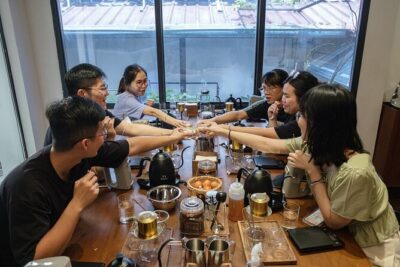 ★ 5.0Fun & Easy Vietnamese Coffee Workshop in Hồ Chí Minh CityFrom $23293 reviews
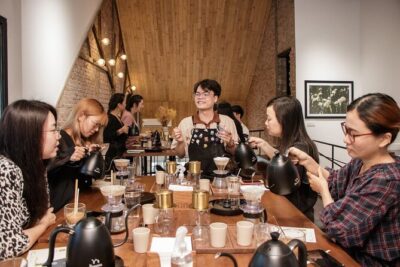 ★ 5.0Vietnamese Coffee & Culture Exploration in Hồ Chí Minh CityFrom $29202 reviews
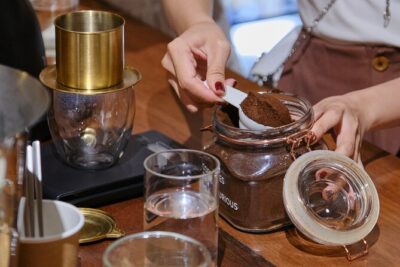 ★ 5.0Decadent Vietnamese “Egg Coffee” Workshop in Hồ Chí Minh CityFrom $20150 reviews
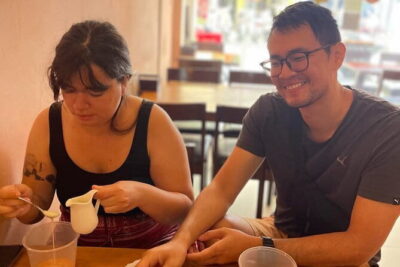 ★ 5.01 hour Egg Coffee Cooking Class with Snack and Local InstructorFrom $1572 reviews
 ★ 5.0Saigon Unseen: Culture, Coffee, Hidden Spots Motorbike AdventureFrom $3360 reviews
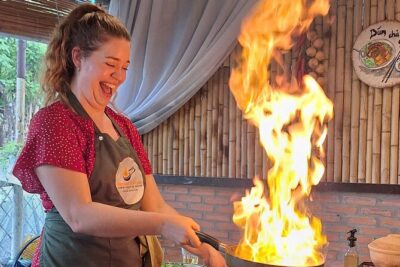 ★ 5.0Vietnam Flavour: Market-to-Table & The Art of Egg CoffeeFrom $4553 reviews
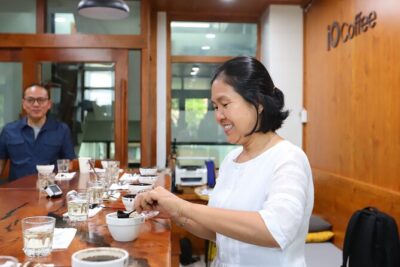 ★ 5.0Coffee Workshop in Ho Chi Minh City: Discover the art of coffeeFrom $7135 reviews
 ★ 5.0Early Riser Walk: Grandma Noodles, Cafe, Exotic Fruits & HistoryFrom $3933 reviews
Browse the lists this tour appears in